


The Porsche Mission S represents a new mid-engined super sports car that is positioned above the 911 as a versatile customer offering.
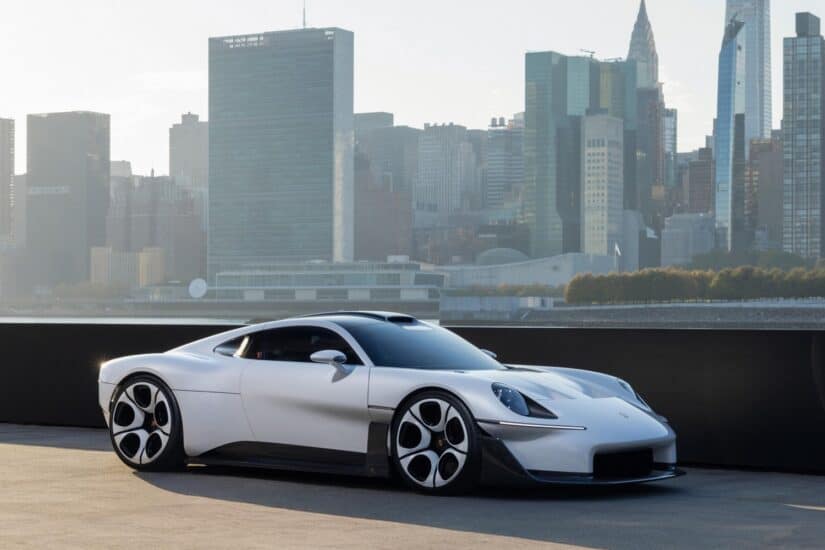
Porsche announces the development of a new mid-engined super sports car platform with the Mission S. Picture: Supplied


The Porsche Mission S was unveiled today at a pier in Queens, New York, with a view of the Manhattan skyline beyond.
Back to 1953
The significance of this move is that the first pictures of the mid-engined Porsche 550 Spyder on this very pier made their way around the world in 1953.
As the brand’s first super sports car, the Porsche 550 Spyder is still regarded today as having defined the company’s identity.
Porsche says that by choosing this location, they are emphasising the importance of the company’s history for the future of design and brand, as is reflected in the Mission S.
Iconic exterior design
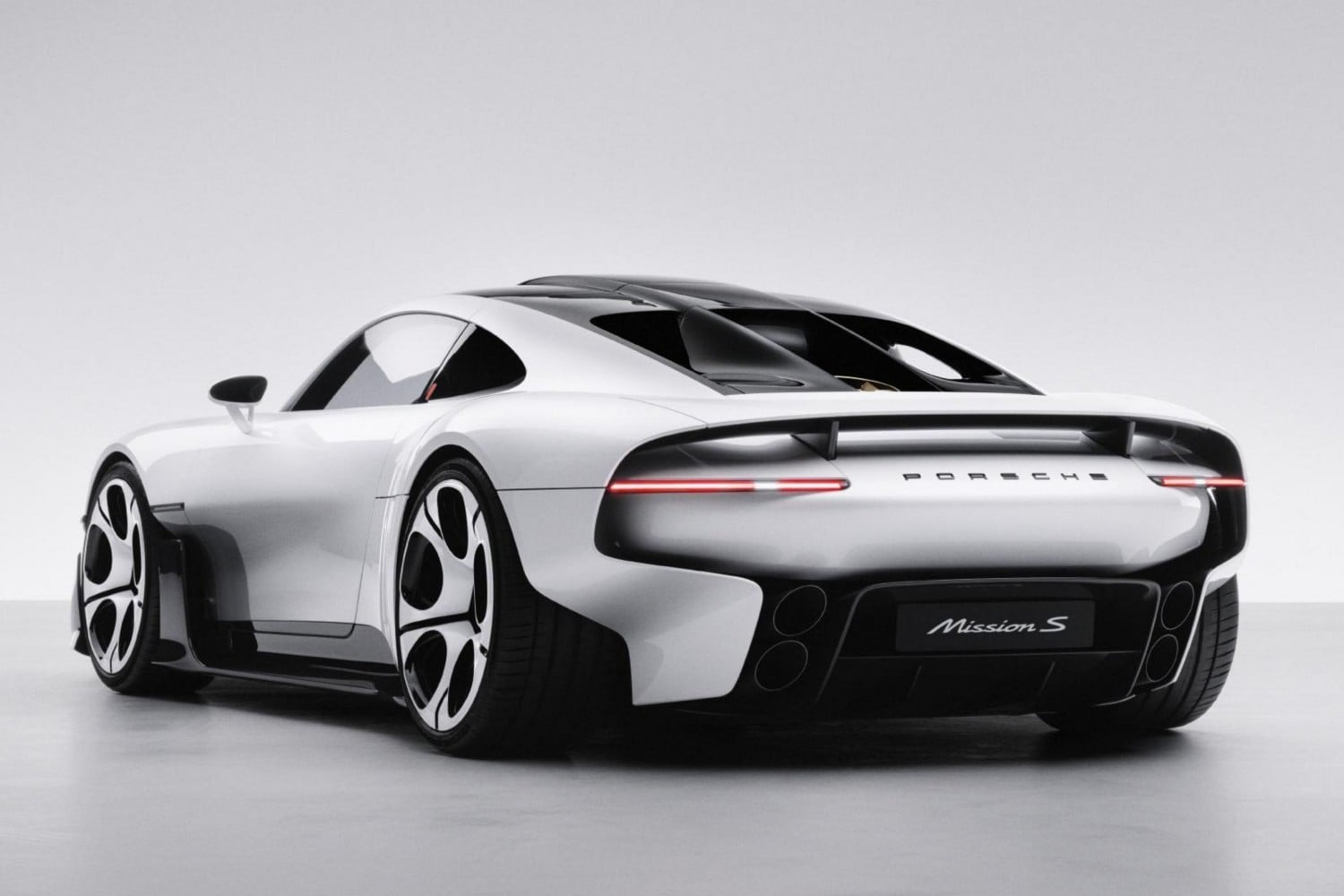
The characteristic torpedo fenders reminiscent of the 911, the iconic roofline and the dramatic width-to-height ratio form central elements of the sports car architecture.
The shut lines that merge into the light graphics pay homage to the G model, while the flat front takes its cue from the GT1. The roofline beneath the rear wing is reminiscent of the 959.
Another highlight of the Porsche Mission S is the car-in-car concept at the rear, also derived from the GT1. Technical details, such as the cooling solution reminiscent of the 917’s radiator fan or the fully integrated active rear wing, combine function and design in the typical Porsche manner.
The wheels are based on the iconic ‘dial design’ of the 928 and feature a new design concept that is systematically geared towards lightweight construction.
Driver focused interior
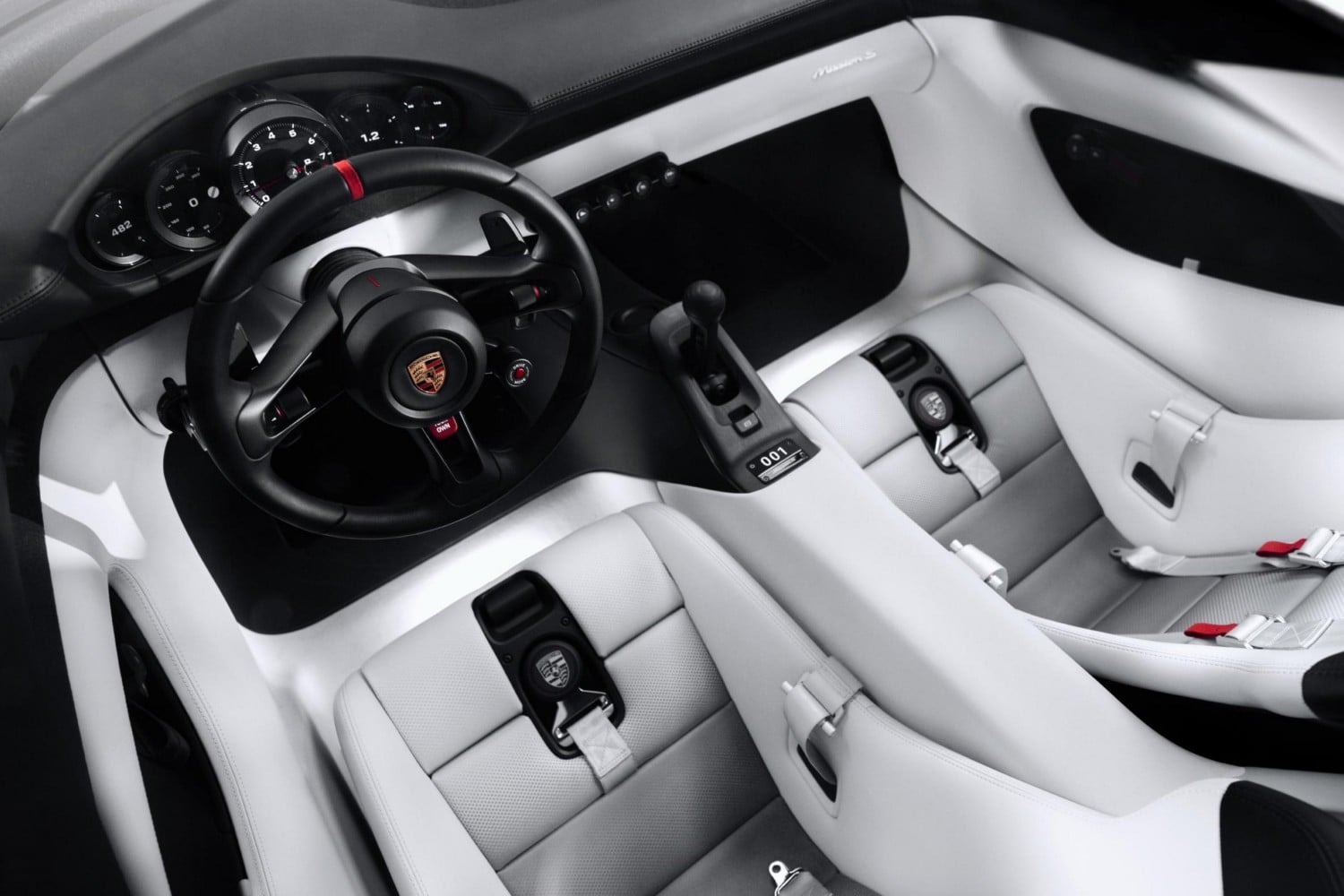
Inside, the Porsche Mission S represents a deliberate return to the core values of sports car engineering.
The interior architecture is based on historic Porsche sports cars such as the 550 Spyder and the 356.
Two defining lines run through the dashboard and doors, adding to the characteristic feeling of sitting ‘deep within the car’.
Classic switches and buttons are combined with modern displays, creating an ergonomic layout that combines the familiar with the future.
The seats also follow this approach. New technical solutions, such as an integrated seatbelt buckle in the centre panel and repositioned electric adjustment controls, combine comfort, functionality and motorsport DNA.
Further highlights include the five characteristic round instruments behind the steering wheel. Depending on the driving mode, the rev counter moves closer to the driver to further enhance focus.
The arrangement of the round instruments also adapts to the selected drive mode, with the tubes positioned either side by side or behind one another to meet the needs of the driver.
Porsche has deliberately chosen not to include a permanently integrated centre display or a fixed passenger display in the dashboard. Instead, a retractable smartphone system compatible with MagSafe technology has been designed for use as needed. The user’s personal smartphone can serve as a navigation or information display if desired.
Motorsport colours
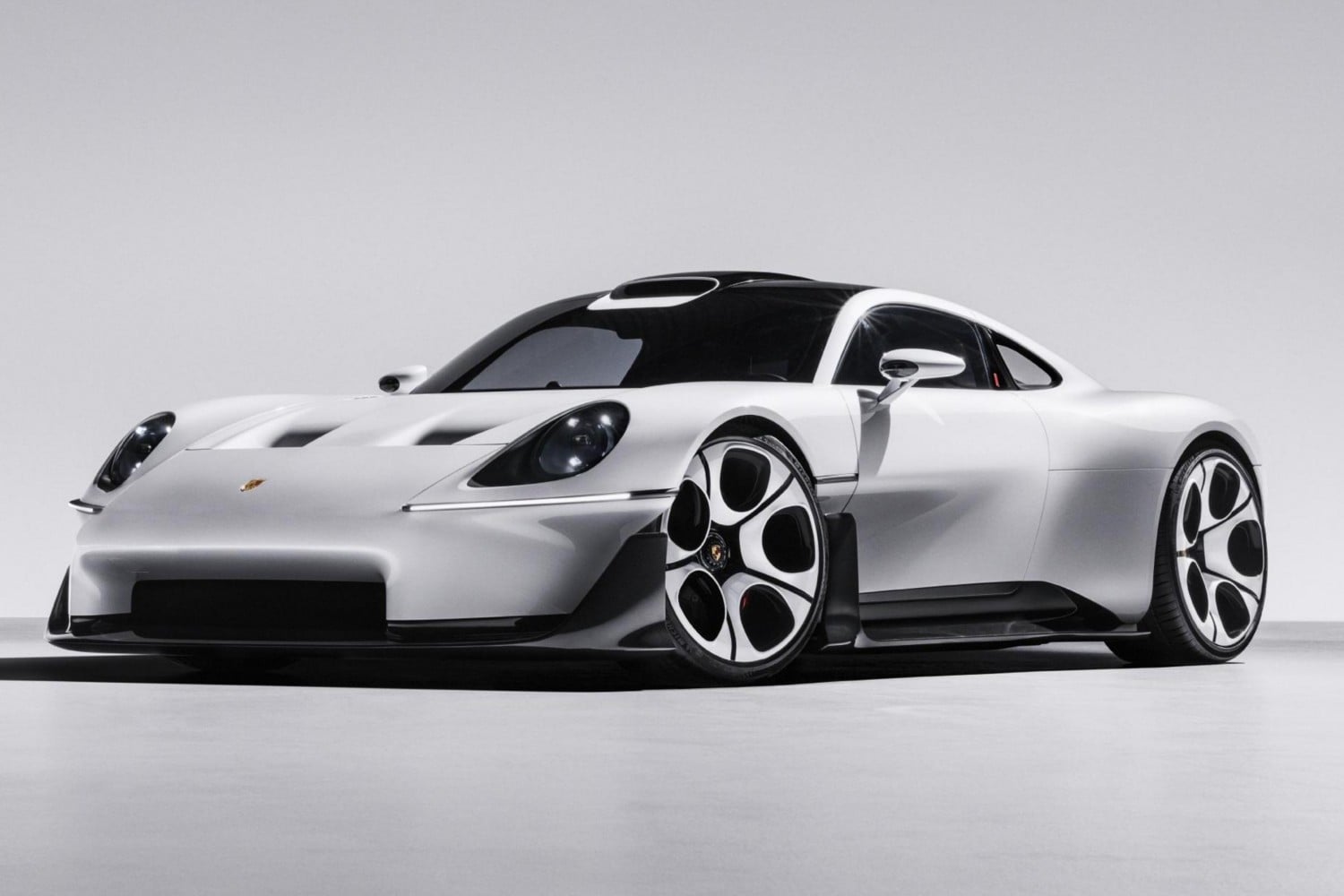
In terms of colour, the show car deliberately draws on the tradition of successful Porsche racing cars with white, grey and red tones.
The specially developed colours, Firn White Metallic, Light Red Metallic, Black Chrome and Special Black in the interior emphasise the visual link to the brand’s motorsport core.
Flat-eight power?
There was no official word on what will be powering the Porsche Mission S, but listening to the super sports car hinted strongly at a flat-eight being the engine of choice.
Porsche is no stranger to flat-eight engine architecture. The company started working on their first flat-eight back in 1960 for 1961 Formula One season.
The clever money will be on it running a set of turbos, with the jury still out on whether it will be offered with any hybrid electrical assistance.
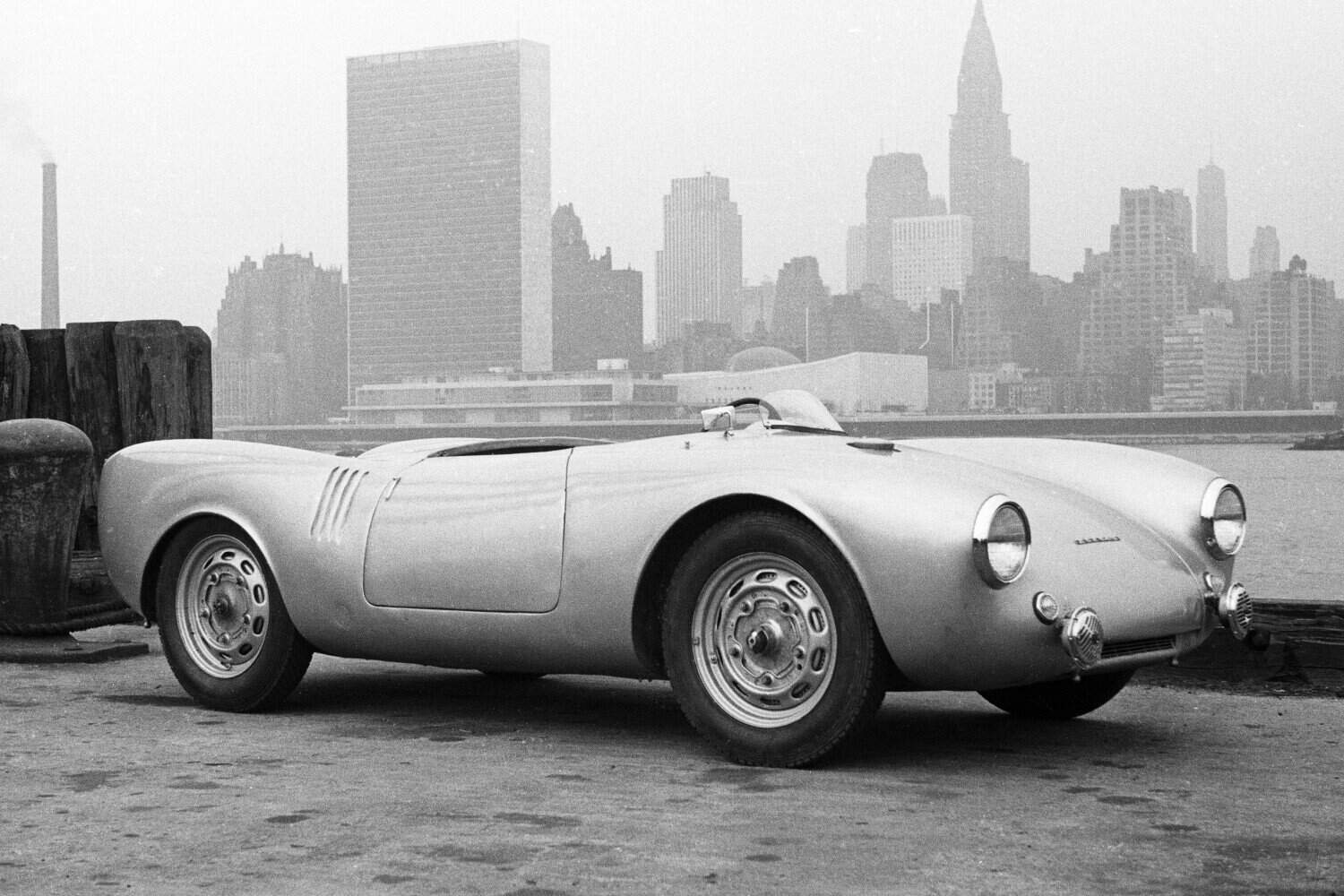
Iconic inspiration
In summary, the Porsche Mission S is said to combine a powerful mid-engine super sports car platform with a clear design language inspired by historic Porsche icons that will live above the current 911 offerings.



