Little hatchback sipped just 4.5 litres per 100km on round trip between Joburg and the Vaal.
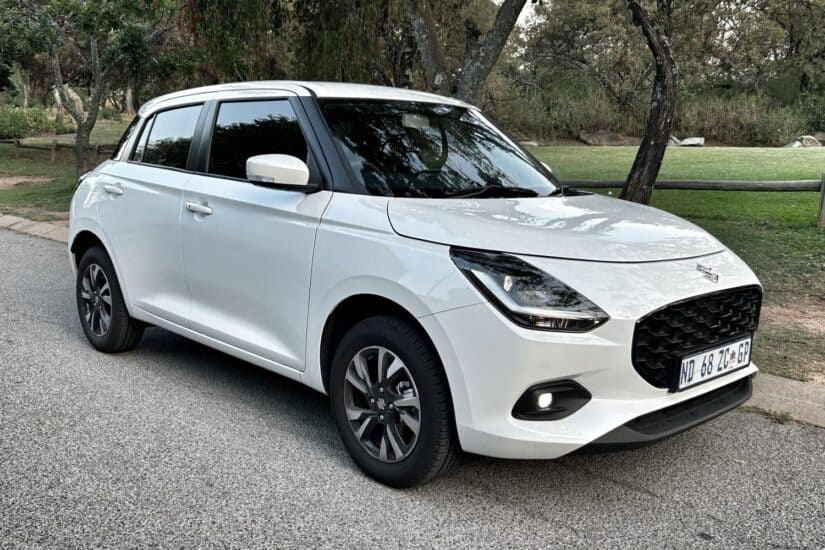
The Suzuki Swift GLX rides on 15-inch diamond cut alloys. Picture: Jaco van der Merwe


When Suzuki rolled out the fourth generation Swift in 2024, the Japanese carmaker boldly announced that it’s new powertrain offers an 11% improvement in fuel consumption.
The third generation’s K12M naturally aspirated four-cylinder 1.2-litre petrol engine was replaced by a free-breathing three-pot mill with identical displacement. Power and torque went down by one kilowatt and one Newton Metre to 60kW/112Nm.
Suzuki was confident that the hatchback will consume less fuel because of the new engine being lighter, running cooler and offering more low-down torque. They claimed that the new Swift in five-speed manual configuration will only sip 4.4 litres per 100km compared to the 4.9L/100km from before.
But what a manufacturer claims a car is capable of and what actually happens in the real world is often chalk and cheese. The Worldwide Harmonized Light Vehicles Test Cycle (WLTC) used to determine fuel consumption is considered to be outdated and does not take factor in changing conditions like weight and weather.
Suzuki Swift put to the test
We were therefore keen so see how low our long-term Suzuki Swift GLX manual can go between visits to the pumps. Which by the way, should be 841km working on the claimed consumption and its 36-litre fuel tank.
The first test was a 370km road trip between Johannesburg and Middelburg. Loaded with two adults and two teenage girls, we stuck to the national limit on the N4 with the air-conditioner running for the entire trip due to expected cold weather.
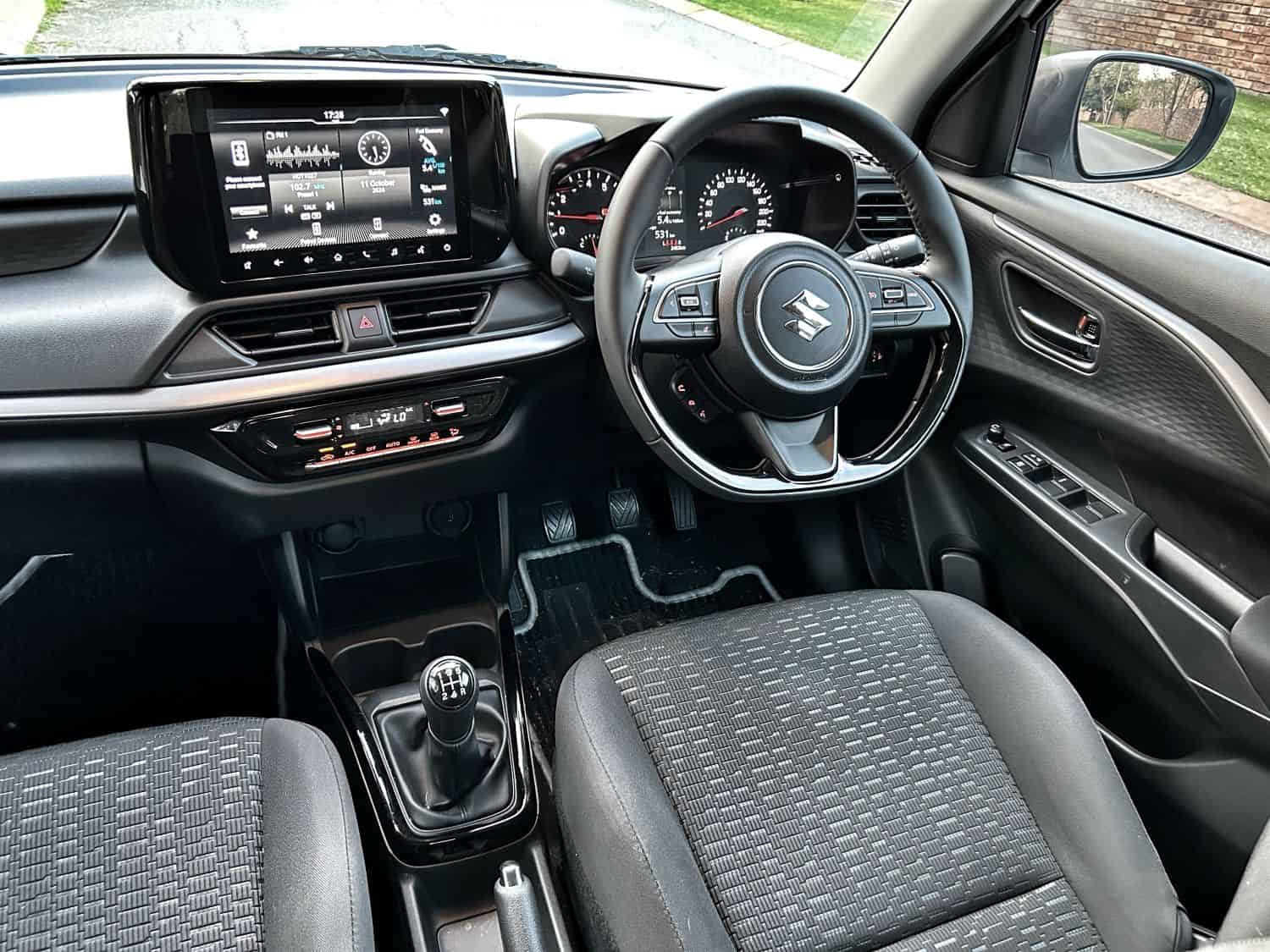
We expected the consumption to be low, but not quite the staggering number of 5.0L/100km the trip computer indicated when arriving back in Jozi. The conditions were as real world as its gets and although we undertook the cruise rather conservatively considering the full load and the fact that it’s not the most powerful engine out there, we did not make any deliberate attempt to save fuel.
For the second test, our Suzuki Swift took a solitary occupant down the N1 to Vereeniging and back. We also stuck to the national limit for this 180km trip with the aircon on full blast.
It gets even better
Again the frugal hatch did not disappoint. In fact, it simply blew us away. This time a number of 4.5L/100km showed up on completion of the journey, with the reduction largely due to reduced weight of not having three additional occupants on board.
Some manufacturers break claimed consumption figures down into separate numbers for urban, extra-urban and combined cycles. Due to the stop and go nature of city driving, urban cycles will always be higher compared to the extra-urban cycles. And the more you do of the latter, the lower the combined number will be.
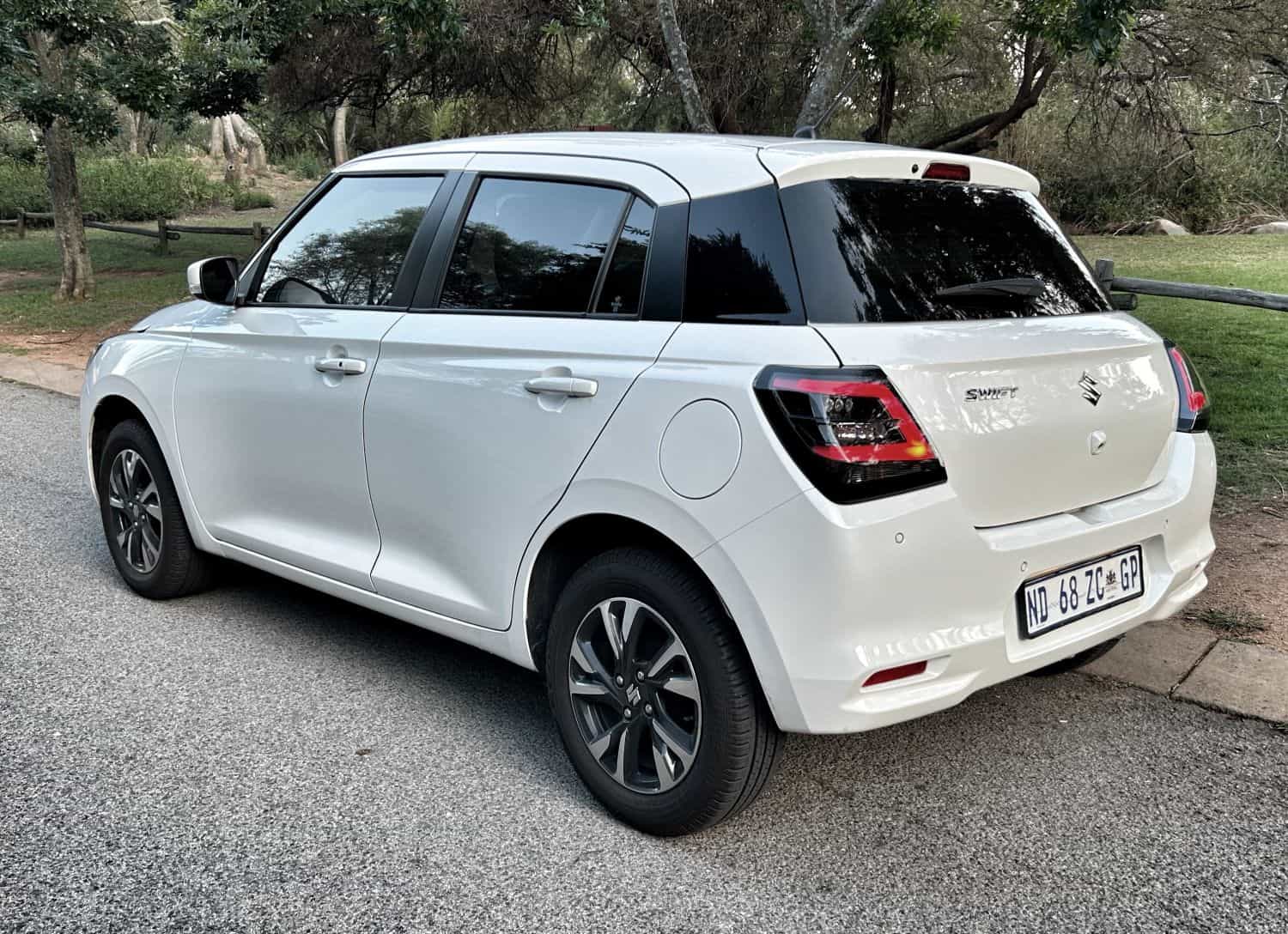
Our frugal open road travels have no doubt brought the overall average down, which is sitting at 5.3L/100km after just over 2 000km. While that might be almost one litre more than Suzuki’s claim, it still makes for pretty good damn reading. Especially taken into account that it was in real-world conditions.
Less pain at the pumps
Our Suzuki Swift GLX barely had 500km on the clock when it joined out fleet. There is every chance it will get more frugal once the engine has completed more mileage.
With the fuel hikes we’re seeing, frugal consumption gets more appealing every month another record increase takes place. And while there has been a massive drive towards new energy vehicles, not everyone can afford their price tags.
At R276 900, the Suzuki Swift GLX manual makes a brilliant case to ease the pain at the pumps.