Only rival that has managed to outsell this hatchback in 2026 is the Volkswagen Polo Vivo.
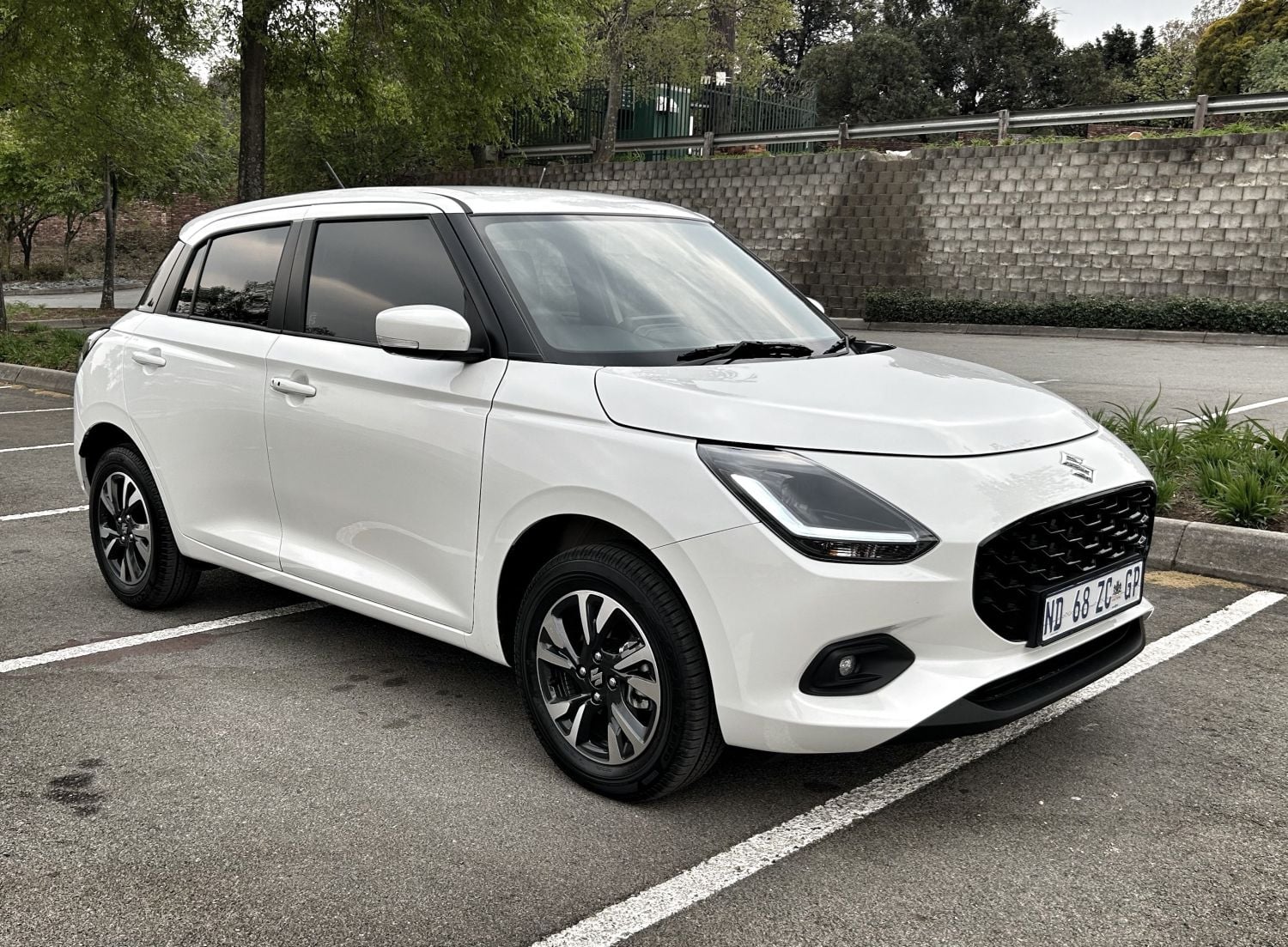
Our long term Suzuki Swift is clad in Artic White Pearl paintwork. Picture: Jaco van der Merwe


To say that the Swift is an important model for Suzuki would be an understatement. The hatchback is the backbone of the Japanese carmaker’s local success story.
Since the fourth-generation’s introduction two years ago, it has broken its own glass ceiling many times in terms of monthly sales record. During the first eight months of 2026, the Volkswagen Polo Vivo was the only hatchback that managed to outsell the Suzuki Swift, which in turn holds a comfortable lead over the third-placed Hyundai Grand i10.
On face value, it’s easy to see why the Swift is so popular. The range kicks off at an affordable R228 900, it looks good, drives well, is very frugal and wears a badge renowned for its reliability.
This month a Suzuki Swift in GLX manual guise joined The Citizen Motoring‘s long-term fleet and we are very keen to have it as a houseguest for a while. It will spend most of time in the city, give or take a few open road trips.
Suzuki Swift’s three-pot mill
One of the biggest changes from the third to the fourth-generation model was introducing a brand-new engine. The naturally aspirated K12M was replaced by the free-breathing Z12E mill. It’s still a 1.2-litre, but now has three cylinders instead of the four from before.
While its power and torque outputs of 60kW/112Nm have gone down on kilowatt and Newton Metre from before Suzuki claims the new mill will give 11% better fuel consumption. The reason for this is that the new engine is lighter, runs cooler and offers more low-end torque.
The third-generation’s claimed fuel consumption of 4.9 litres per 100km has dropped to 4.4L/100km. And we are very keen to put this number to the test.
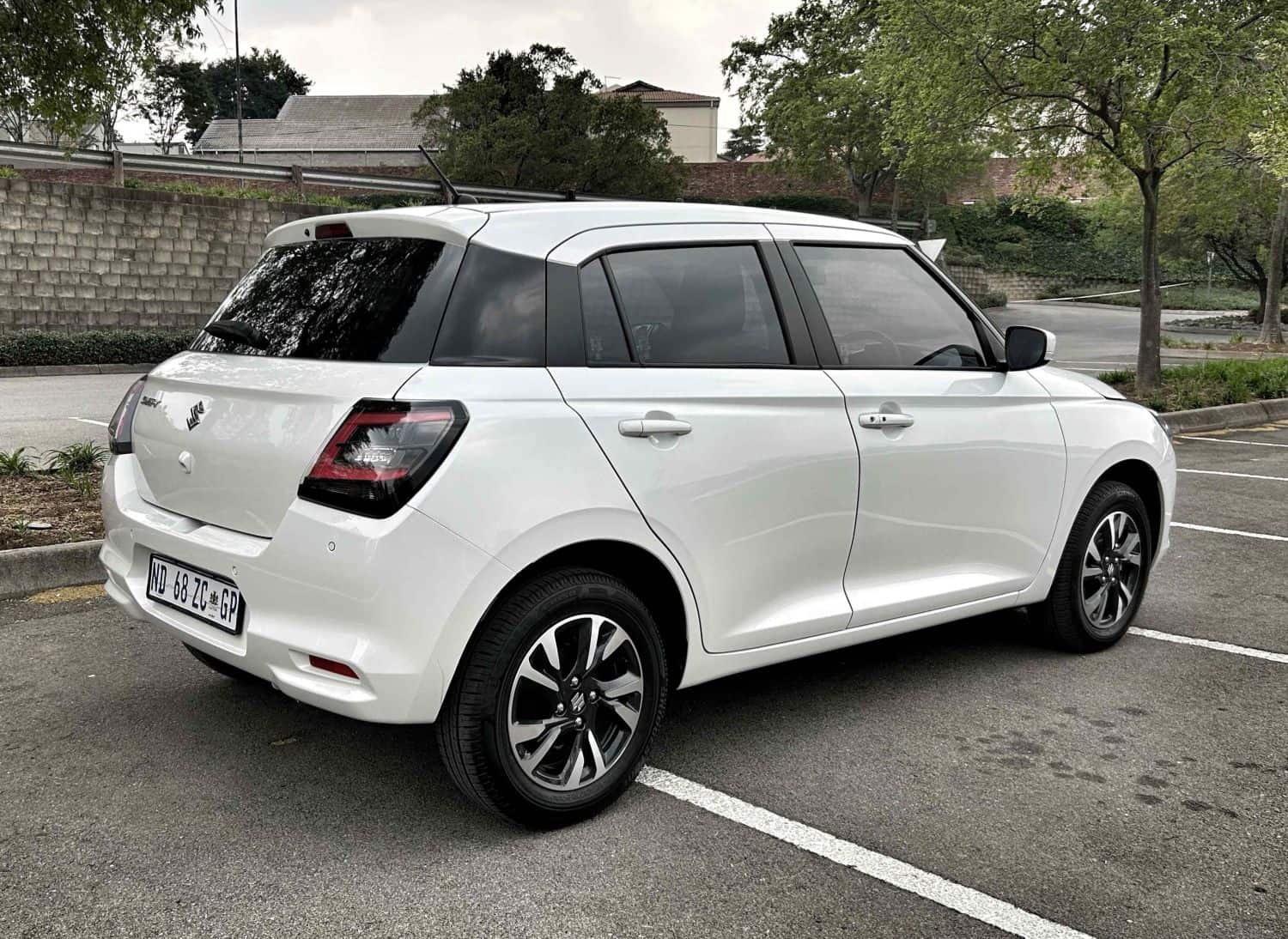
The fourth-generation Swift features a pronounced wide and low stance, L-shaped LED lamps, piano black oval radiator grille and clamshell bonnet. Its chiselled tailgate features an integrated spoiler and high-level brake light, 3D LED taillights and reflective panels either side of the number plate.
Our GLX comes standard with 15-inch diamond cut alloy wheels, while the spare wheel is a space saver steel rim.
Comfortable cabin
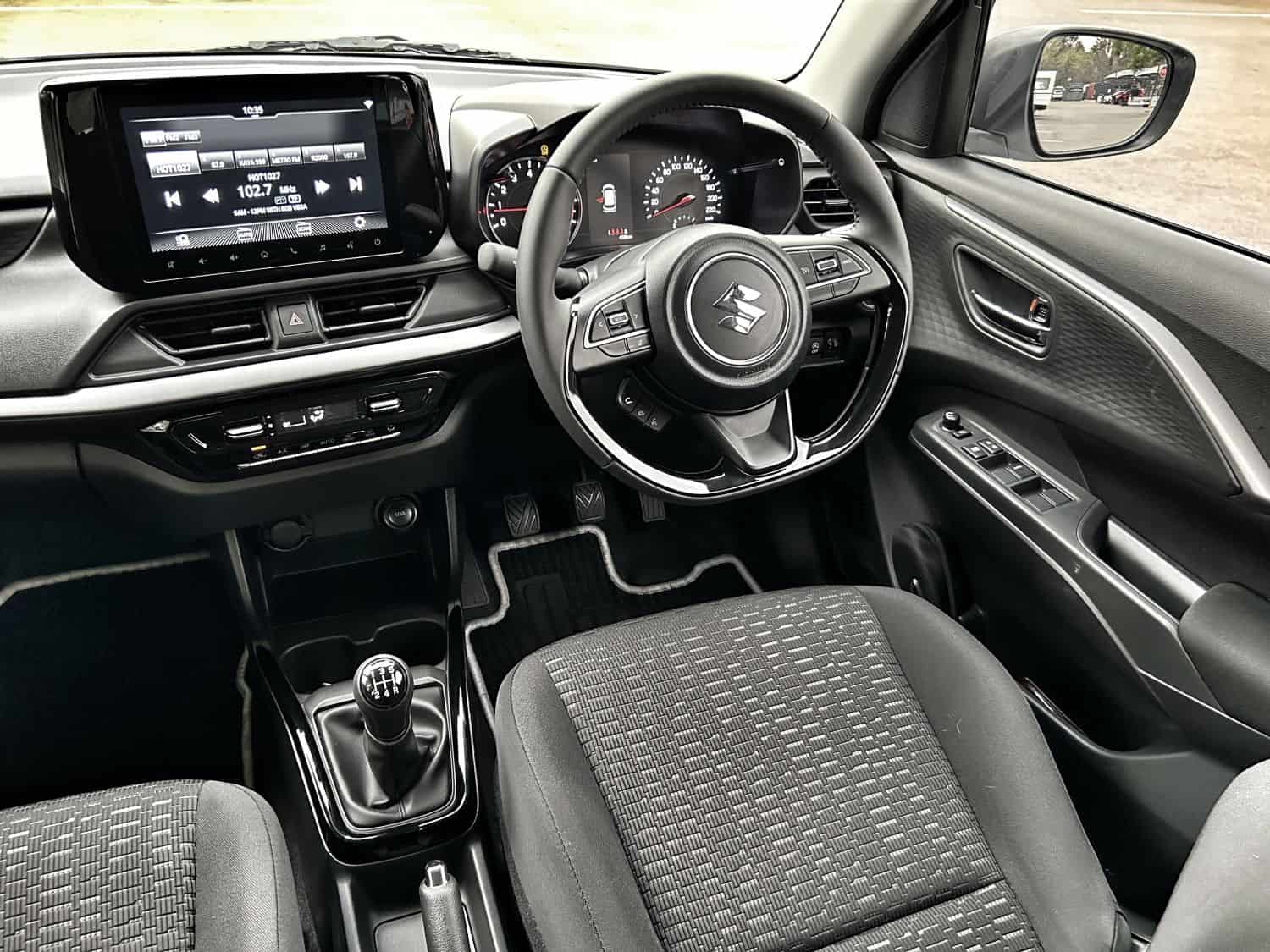
The interior is typical Suzuki, which means it is very practical and not over the top. The plastics and cloth trim in a combination of black, grey and brushed metallic gives the hatch a fresh feel.
Our tester is fitted with a nine-inch infotainment system with wireless Apple CarPlay and Android Auto, 4.2-inch TFT display, automatic headlights, keyless entry with push-button start, leather covered steering wheel, a height adjustable driver’s seat, cruise control, reverse camera and rear parking sensors.
Safety comes in the form of electronic stability programme, hill-hold control, six airbags and ABS with EBD and BA.
Rear leg and headroom are adequate for a compact hatch and we’ve had little complaints from rear occupants, who have mainly been tallish teenagers, since we took delivery.
The 265-litre boot does not sound very big, but it fits what it needs to in terms of school and sports bags. The space goes up to 948 litres with the 60/40 split rear seats folded forward.
As ‘fun to drive’ as ever
When it comes to operating the vehicle, the Suzuki Swift sticks to its “fun to drive” mantra. The clutch is light, the gear lever easy to operate and handling is as easy as you can get in a car. It fits into the smallest parking spaces and can navigate its way through the tightest gaps as its turning circle of 9.6 metres indicate.
While Suzuki’s naturally aspirated engines are renowned to be high-revving mills, we don’t enjoy too much rpms in this three-pot. The higher the revs go, the more pronounced the familiar three-cylinder thrum gets, which will not be to everyone’s liking. But with the increased low-end torque, we actually don’t even feel to need to ever rev it uncomfortably high.
The R276 900 Suzuki Swift GLX manual comes standard with a five-year/200 000km warranty and four-year/60 000km service plan.