



SA airlines move early and ‘sorted out the glitch’.
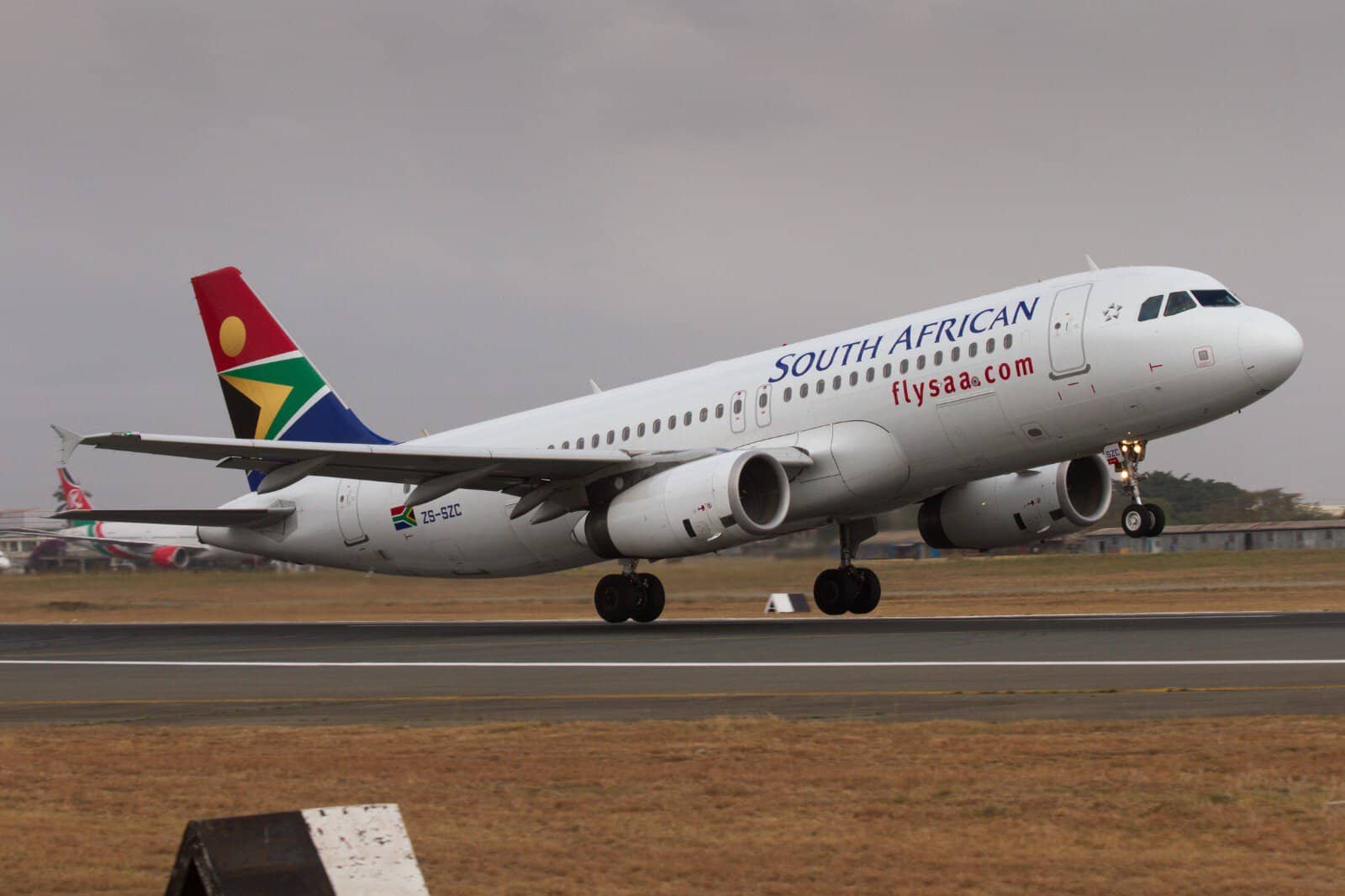
SAA has operated A320s for many years. Picture: iStock


French and European aircraft maker Airbus this weekend initiated what may become the largest aircraft recall in commercial aviation history.
Some 6 000 A320 family aircraft are temporarily withdrawn from passenger service. That represents about half of the global active fleet.
Why Airbus aircrafts were recalled
The trigger was a finding that intense solar radiation could corrupt data used by flight control computers under certain conditions.
In South Africa, there are two carriers that operate the Airbus A320, South African Airways (SAA) and Lift Airlines.
The flag carrier said that it moved early to comply. A statement by the airline said two of its 14 A320s required the update.
SAA technical airline spokesperson Vimla Maistry said they were busy rectifying the glitch within hours of receiving the Airbus notice.
The airline’s chief executive, John Lamola, said he does not anticipate service interruption.
“We have taken immediate and proactive measures to ensure full compliance with the directive,” he said, adding the directive’s changes were completed on Saturday.
“Should any aircraft fail to meet compliance, it will be immediately grounded,” Lamola said.
“We appreciate the understanding of our customers and assure them that we are committed to maintaining the highest standards of safety and operational integrity throughout this process.”
ALSO READ: SA-developed drone to shine at G20
Lift Airlines in the clear
Lift Airlines says its fleet of A 320s has already cleared all compliance checks.
“All our aircraft and their paperwork have gone through checks, in line with the directive and are all compliant and continue to operate,” said chief commercial officer Cilliers Jordaan.
No delays or schedule changes were expected. Concern first surfaced when an October flight in the United States, JetBlue airlines A320 flying between Cancun, Mexico, and Newark abruptly lost altitude after its systems apparently received corrupt data.
The crew diverted and landed safely but several passengers were reported injured.
The investigation into the incident led engineers to a broader concern across the A320 fleet and ultimately to a worldwide call to ground, inspect and update aircraft systems.
Airbus apology
Airbus issued an urgent notice to all airlines and has apologised for the disruption that it anticipated the temporary groundings would cause.
The European Union Aviation Safety Agency issued an emergency airworthiness directive, and authorities in the United Kingdom and the United States have each issued emergency instructions of their own.
Affected aircraft may operate only without passengers until cleared.
Aircrafts halted until new hardware is installed
Solar flares are violent eruptions on the sun that travel the 147-million-kilometre trip to Earth and still retain enough power to disrupt infrastructure.
These storms pose a serious threat to digital infrastructure. Satellites can experience command errors or permanent component damage.
GPS signals may drift or drop out, affecting aircraft navigation, shipping and even farming equipment.
Communications reliant on high-frequency radio can fail.
Aggressive flares or solar coronal ejections can push electrical currents into long power lines, damage transformers and trigger broad, prolonged blackouts that can cause data centre failures.
After fixing the glitch that compensates for these kinds of instances, most A320 aircraft can return to service.
The software update takes about three hours. Large carriers like EasyJet in Europe have already processed large portions of their fleets.
About 900 older Airbus models will require replacement of computer components and software updates.
These aircraft will remain out of service until the new hardware is installed.
READ NEXT: FlySafair B-BBEE deal could tighten state grip on skies
Support Local Journalism
Add The Citizen as a Preferred Source on Google and follow us on Google News to see more of our trusted reporting in Google News and Top Stories.

