
The Compensation Fund wants Moletsi to provide medical records from almost 20 years ago that confirm the workplace accident
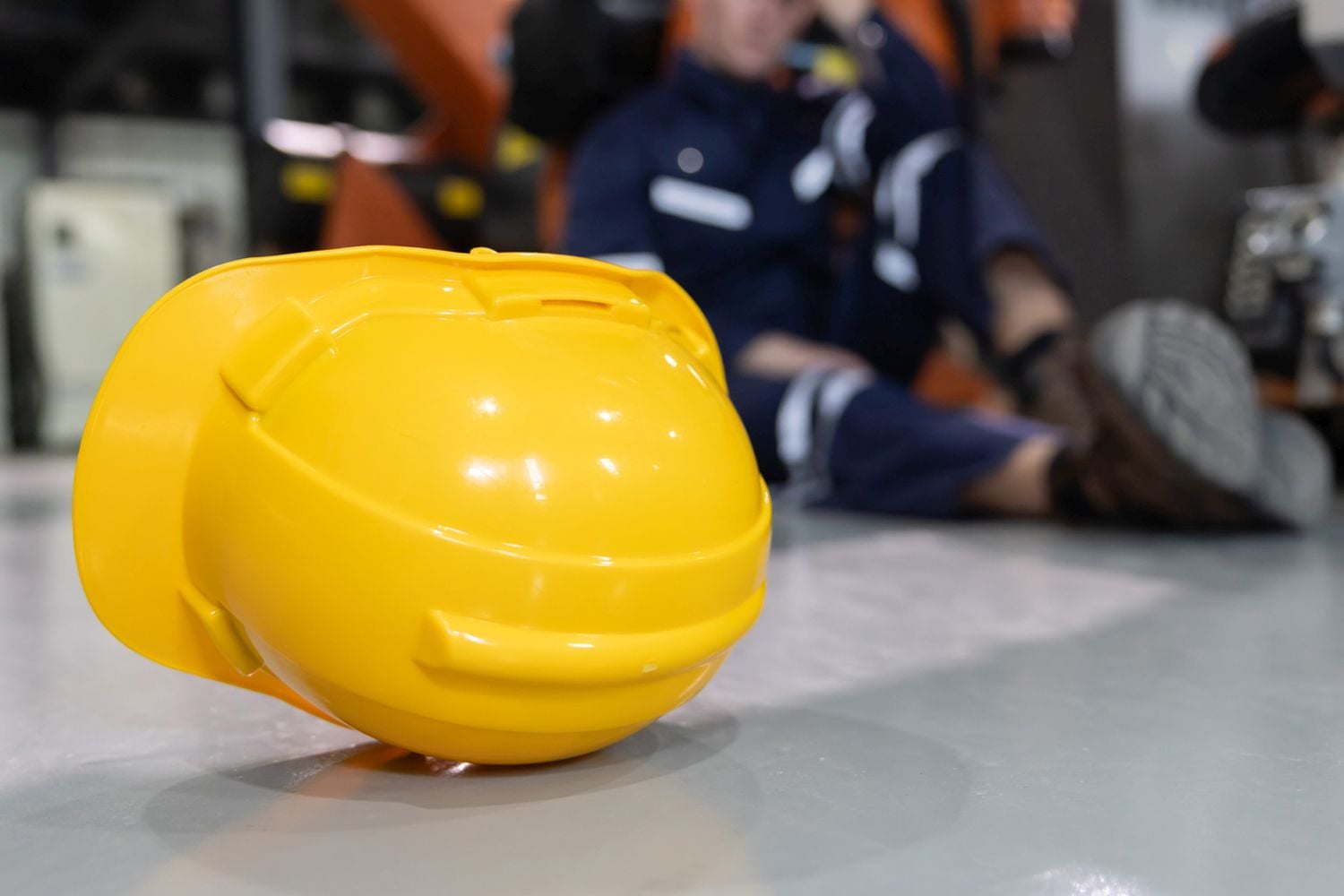
Picture: iStock


The Compensation Fund has responded to its handling of a former steelworker’s long-running injury-on-duty (IOD) claim, saying it remains willing to consider the case but has been unable to confirm that his injuries were sustained at work.
19-year wait for compensation
The Citizen has reported how Isaac Michael Moletsi spent almost two decades seeking compensation after an alleged workplace accident while working for a steel company in Chamdor, Gauteng, when a runaway overhead crane allegedly crushed him at work.
Moletsi has maintained that he was injured at work and that his claim was caught up in the liquidation of his former employer.
Compensation Fund spokesperson Hloni Mpaka said they have not formally rejected the claim, arguing that the alleged workplace accident has never been adequately confirmed in terms of the Compensation for Occupational Injuries and Diseases Act (COIDA).
She explained that a claim for compensation in terms of the COID Act must be confirmed by the employer and supported by a first medical report, as well as progress and final medical reports.
While the Fund acknowledges the circumstances of the employer being liquidated and company records having been destroyed, Mpaka said the Fund remained willing to adjudicate a claim for benefits should Moletsi be in a position to provide medical history records for the period around 2008 that confirm the alleged workplace accident.
She said the Fund remains obligated to confirm the injury as a workplace accident in terms of the COID Act and to satisfy procedures and audit requirements for the adjudication of such injury-on-duty claims.
According to the Mpaka, Moletsi approached it in 2023 after his former employer had gone into liquidation.
The Fund says it requested medical records, a payslip from the time of the injury and a certified copy of his identity document on 28 February 2024.
Moletsi responded on 19 March 2024, providing his ID and radiology reports dating to 2017 and 2019 relating to hip replacement surgery.
But she said those documents did not establish that the surgery was linked to an injury sustained at work.
Discrepancy over dates
A further complication emerged in December 2024, when Moletsi reportedly told the Fund that he had been injured when he was 44, which would place the alleged accident at around 2008.
Mpaka said this was not consistent with the dates contained in the medical records it had received.
It also attempted to verify his employment through UIF records, which showed that his employment started on 15 January 2007 and ended on 20 July 2007.
The discrepancy over dates has become central to the Fund’s position.
The former employer, Wilander Steel, was registered with the Compensation Fund on 1 March 2005 before being transferred to the Rand Mutual Association in March 2015.
Mpaka said their records show the company was fully compliant until its liquidation.
The Fund also provided details of efforts to trace records after the company ceased operating.
It said its Inspection and Enforcement Services unit contacted former Wilander Steel employees, who indicated that company documentation had been handed to the liquidators.
Records destroyed
The appointed liquidators subsequently told the department on 21 August 2023 that the liquidation had been finalised and that all Wilander Steel records had been destroyed.
Moletsi was copied on that correspondence, according to Mpaka.
The destruction of the records has left the Fund relying heavily on whatever documentation Moletsi can provide independently.
“The Fund is willing to adjudicate a claim for the alleged injury on duty should Mr Moletsi’s medical history confirm an injury for the period around 2008,” Mpaka said.