


Large numbers of white mussels, whelks and other shellfish washed ashore.
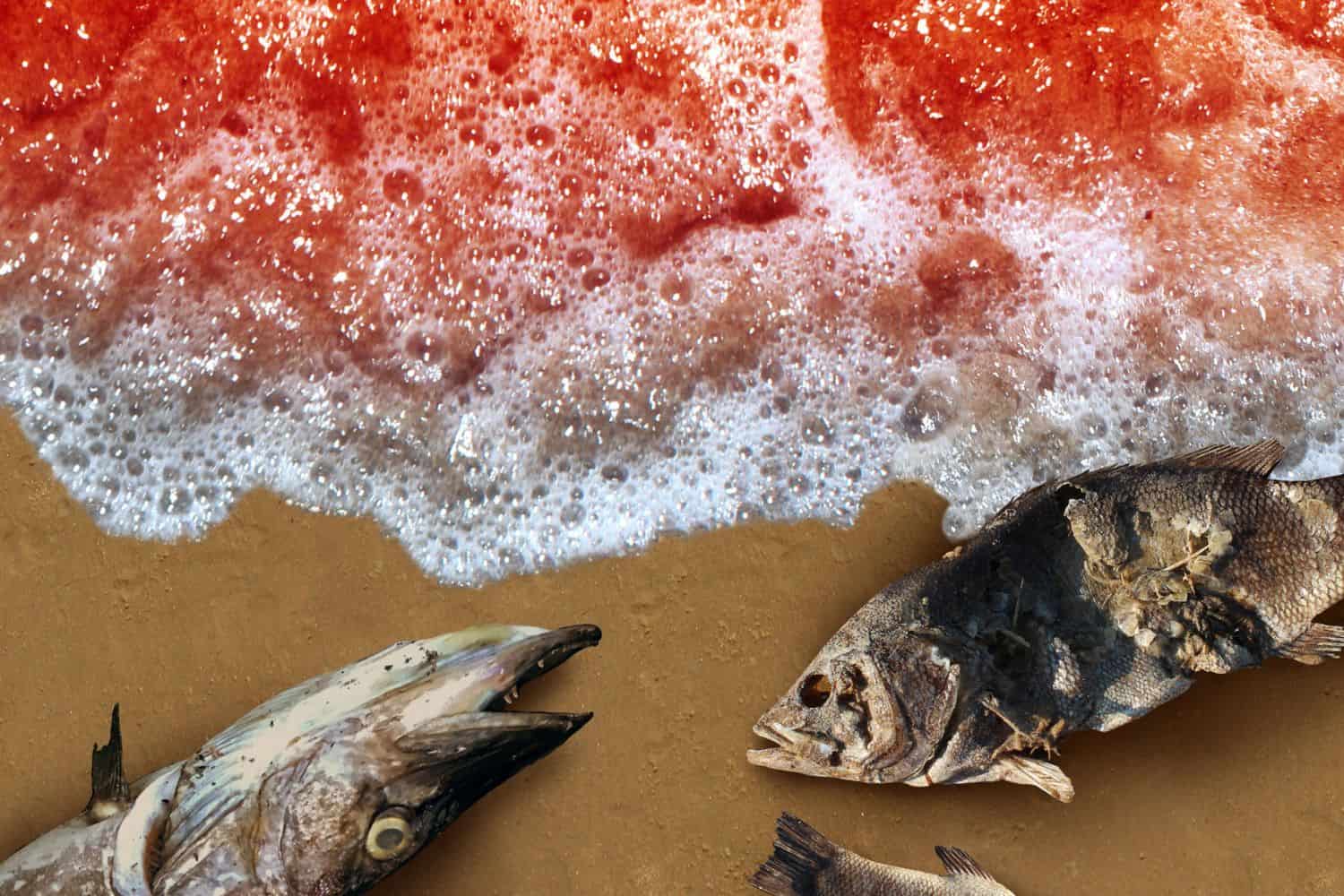
For illustrative purposes. Picture: iStock


Do not eat white mussels and other shellfish washed up on the West Coast of the Western Cape.
This is the stern warning from the Department of Forestry, Fisheries and the Environment (DFFE) in a statement issued on Thursday.
The department’s spokesperson, Zolile Nqayi, confirmed large numbers of dead white mussels, whelks and other shellfish being washed up at St Helena Bay and Elandsbaai on the West Coast over the past 48 hours.
“The dead shellfish indicate that they have died after being paralysed, unable to burrow and then washed up. This is most likely due to the presence of a harmful algal bloom (HAB) or ‘Red Tide.’”
ALSO READ: At least 1 ton worth of lobsters died due to Red Tide, says department
Red Tides
Red tides are algal blooms; that is, accumulations of large amounts of phytoplankton (single-cell algae) that are common during summer and autumn along the West Coast.
Red tides also cause oxygen depletion, which harms marine life and can lead to mass mortality.
Do not eat
“This particular ‘Red Tide’ is colourless and therefore not visible to the human eye, but paralytic shellfish poisoning neurotoxins are extremely toxic to humans. All shellfish, irrespective of being washed out or collected from shore or subtidal, should not be eaten.
“The department cautions members of the public to refrain from eating the washed-out marine animals as they carry significant health risks, rendering them unsuitable for consumption,” Nqayi said.
The department of Forestry, Fisheries and the Environment (DFFE) said it will continue to monitor the situation with respect to the extent of the “red tide” and resultant mass mortalities on the West Coast.
Dead Lobster
In January 2021, around 1 000kg of West Coast rock lobster died due to the Red Tide that took hold of the area in the Western Cape
The tide stretched along the northern shores of St Helena Bay to north of Lambert’s Bay, before it moved south.
ALSO READ: US grants SA fisheries access to markets due to compliance with bycatch laws
Support Local Journalism
Add The Citizen as a Preferred Source on Google and follow us on Google News to see more of our trusted reporting in Google News and Top Stories.

