


AfriForum slams delays as vaccination rollout stalls.
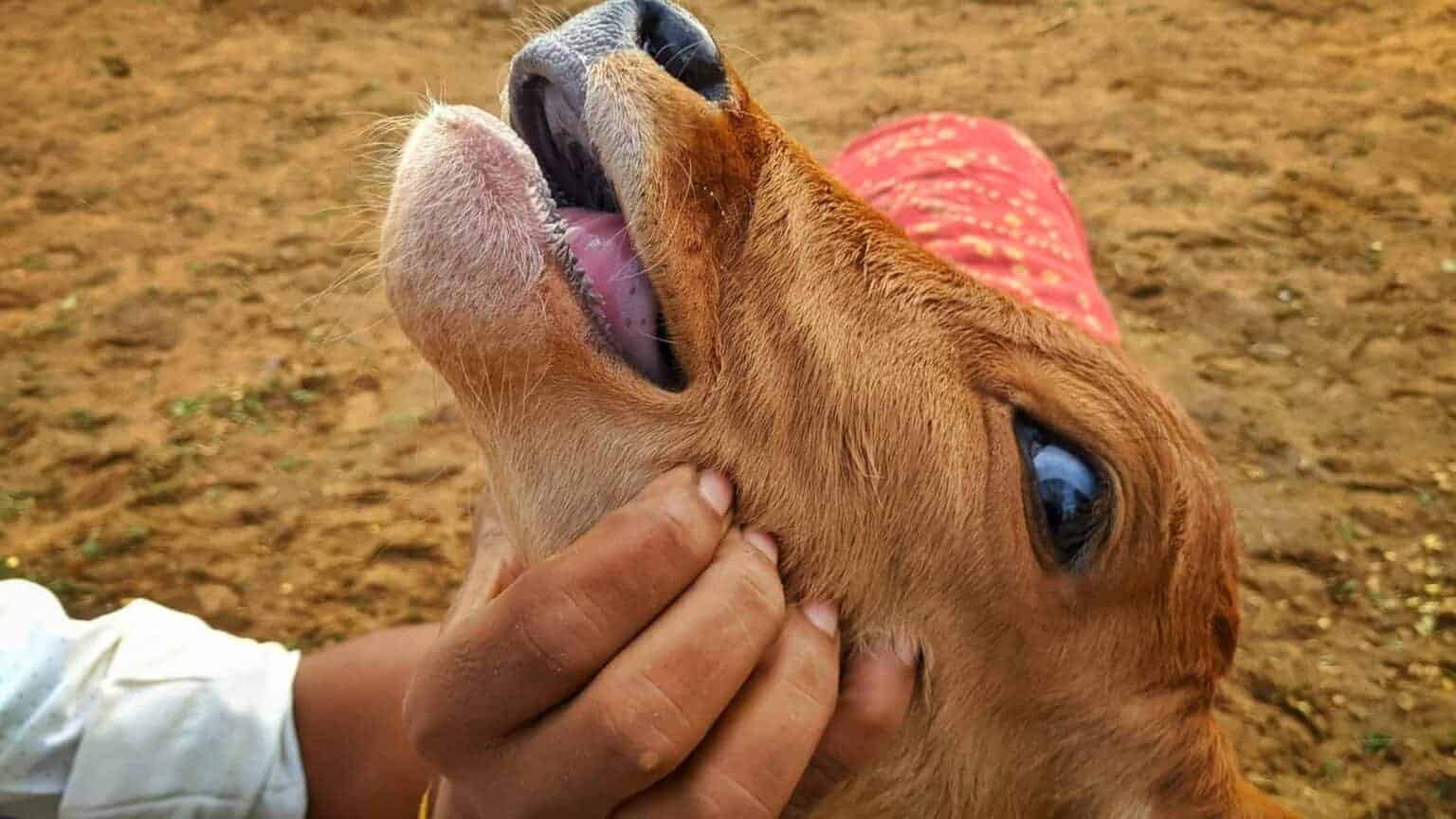
Foot-and-mouth disease is a highly contagious illness affecting animals. Photo: iStock


South Africa’s battle against foot-andmouth (FMD) disease has escalated into a national crisis, with farmers and lobby groups warning that government’s slow, centralised response is failing to contain the outbreak.
AfriForum manager of environmental affairs, Lambert de Klerk, said FMD is no longer just an agricultural issue but a threat to the economy.
While the department of agriculture insists its new 10‑year eradication strategy – anchored in mass vaccination and global collaboration – is the path to recovery.
Government slow in fighting foot-and-mouth
“Yet government’s response remains slow, centralised and unable to keep up with the pace at which the disease is spreading,” said De Klerk.
“The uncomfortable reality is that South Africa’s current response model is built around state-only control, and that model is failing in real time.
“When vaccination rollout is delayed, outbreaks multiply; where enforcement is weak, movement restrictions become meaningless.”
Submissions of foot-and-mouth field strains
On Friday, Agriculture Minister John Steenhuisen announced that South Africa has resumed the submission of FMD field strains to the Pirbright Institute in the United Kingdom.
“This marks the first time since 2011 that the country has sent FMD field strains to this global authority,” said Steenhuisen.
“The Pirbright Institute serves as the World Reference Laboratory for FMD. While Pirbright does not manufacture vaccines, its role is critical: it tests whether current vaccines around the world actually match the specific virus strains circulating in the field.
“By sending our latest FMD virus strains to Pirbright, South Africa is ensuring that the millions of vaccine doses being procured are scientifically proven to protect our national herd.”
Steenhuisen said sending the FMD virus strains to Pirbright is an important part of the department of agriculture’s FMD eradication strategy, which aims to transition South Africa to FMD-free status with vaccination.
ALSO READ: State and tenderpreneurs accused of trying to profit from foot-and-mouth disease
Mass vaccination
He said phase 1 stabilisation includes intensive mass vaccination in high-risk hotspots in provinces within one to two years.
Steenhuisen said Biogénesis will be able to supply one million doses by mid-February and an additional five million doses by mid-March, while the department was waiting for 1.5 million doses of vaccine from Dollvet in mid-February and 700 000 doses of vaccine from the BVI by March.
“Locally, we are activating a production line through the ARC and OBP, which will initially produce 20 000 doses per week, scaling up to a capacity of 960 000 doses. The ARC is bringing its production forward and will be able to supply 12 000 doses to our vaccine pool by mid-February,” he said.
Southern African Agri Initiative executive board chair Dr Theo de Jager said when Steenhuisen initially announced the policy change in November, he created the expectation that it would happen soon and all obstacles would be out of the way.
“The application for permits to import it has been delayed for more than a week now. The process for the vaccine should go out to tender, and farmers had little faith in the inefficiency of tenderpreneurs,” he said.
Tension between farmers and the state
De Jager said the tension between farmers and the state is increasing. “The main reason is that Steenhuisen announced that we will have blanket vaccination of the entire national herd,” he said.
“Healthy animals will also be vaccinated, while the regulation remains for the treatment of sick animals, the new policy has resulted in a change to the regulation. When you are going to vaccinate healthy animals, you do not have to be so strict that only veterinarians can vaccinate.”
De Jager said on Friday that the vaccine manufacturers from Türkiye and Brazil’s agents were told the state will not be using the local agents.
“Farmers are upset because it drives up costs and time is running out,” he added.
NOW READ: Farmers head to court as foot-and-mouth disease crisis deepens
Support Local Journalism
Add The Citizen as a Preferred Source on Google and follow us on Google News to see more of our trusted reporting in Google News and Top Stories.

