
Built in 1931 on Rissik and President streets, the landmark was restored by Michael Ciani and Brian McKechnie after years of broken windows.
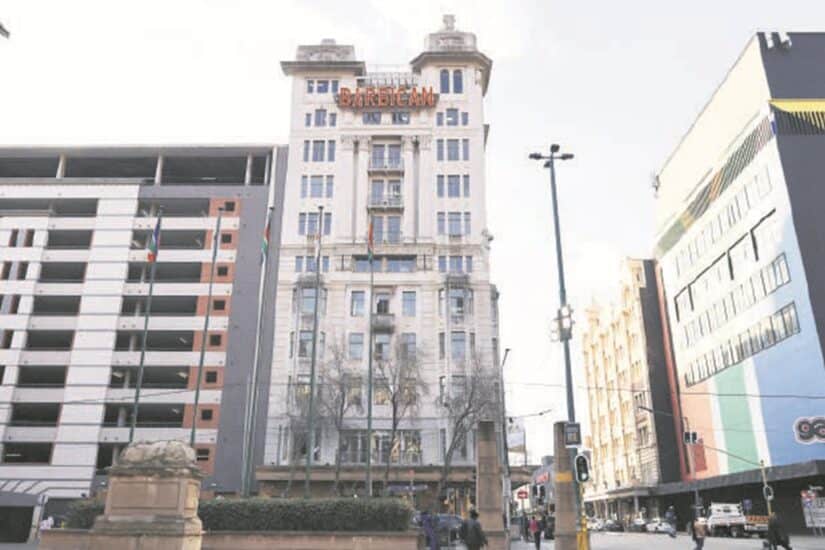
Today, the Barbican building reflects the past, when Joburg was the city of gold. Pictures: Our City News


Once a crumbling symbol of urban decay, Johannesburg’s Barbican building has been masterfully restored and has reopened its doors to welcome visitors to the inner city
For decades, the Barbican stood on the corner of Rissik Street and President Street (now Helen Joseph), with stripped floors and broken windows as a painful reminder of the old Joburg. It is opposite the historic old city hall and Rissik Street post office.
The Barbican masterfully restored
The Barbican was built in 1931 and was once one of Johannesburg’s most prominent skyscrapers. The architectural landmark was a presence in the city centre.
Over time, like much of Johannesburg’s inner city, the Barbican’s beautiful image faded.
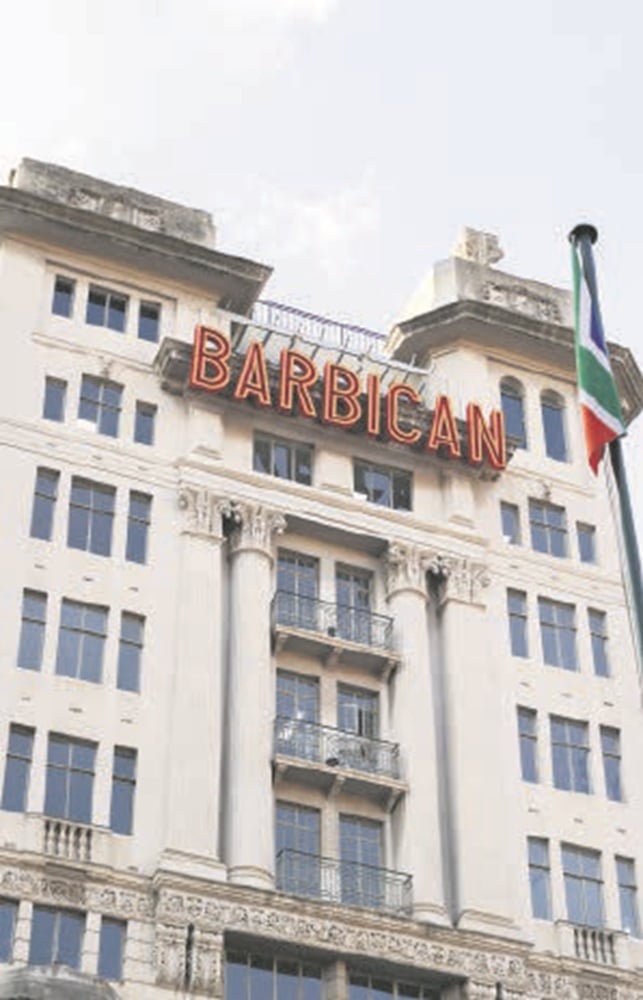
Years of deterioration and neglect left a remarkable building with nothing but broken windows, stripped wooden floors and fading elegance.
Today, the Barbican is rewriting its story.
Passionate about restoring and preserving Johannesburg’s architectural heritage, Brian McKechnie recognised the potential the building had and encouraged Italian businessman Michael Ciani, who has a love for architecture and urban regeneration, to take a closer look.
Ciani fell in love with the Art Deco skyscraper
“The Barbican is a unique piece of architecture; I fell in love with it immediately,” Ciani said.
Inside, years of neglect and abandonment were clearly visible. “The original wooden floors were stripped, and windows were shattered,” he added.
Instead of refurbishing it beyond recognition, Ciani and his team chose to respect and honour the building’s history.
“We took pictures of the interior beforehand, so we are trying to recreate as much as possible,” he said. Old flooring and furniture was reclaimed, ensuring that the Barbican retains its historic character while embracing a new one.
“I had a wonderful experience with everyone working on this project,” Ciani said.
Building reflects Joburg’s past and present
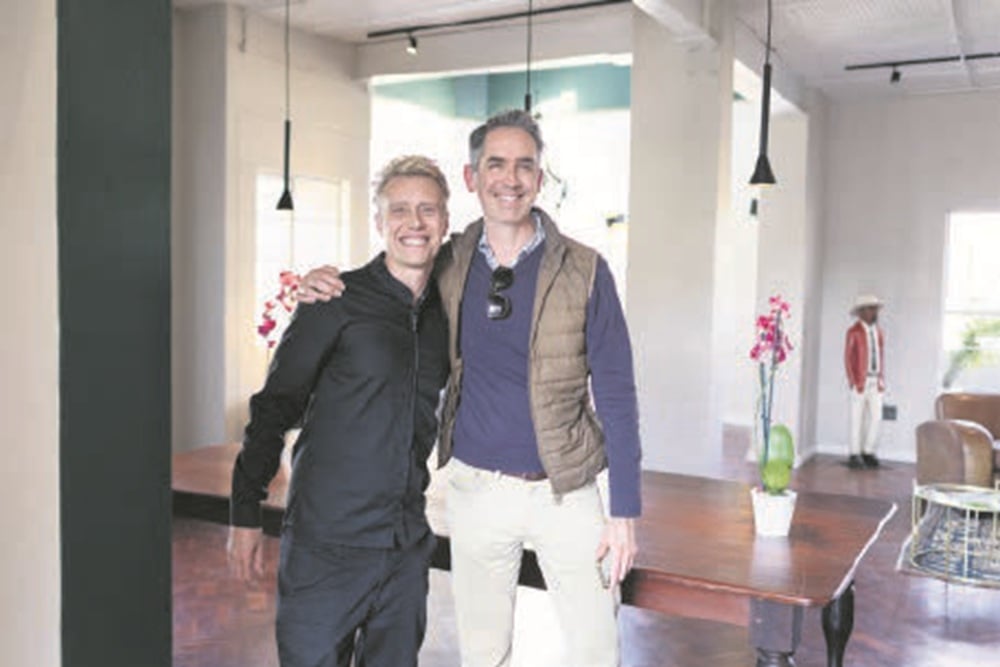
Today, the building reflects both Joburg’s past and present.
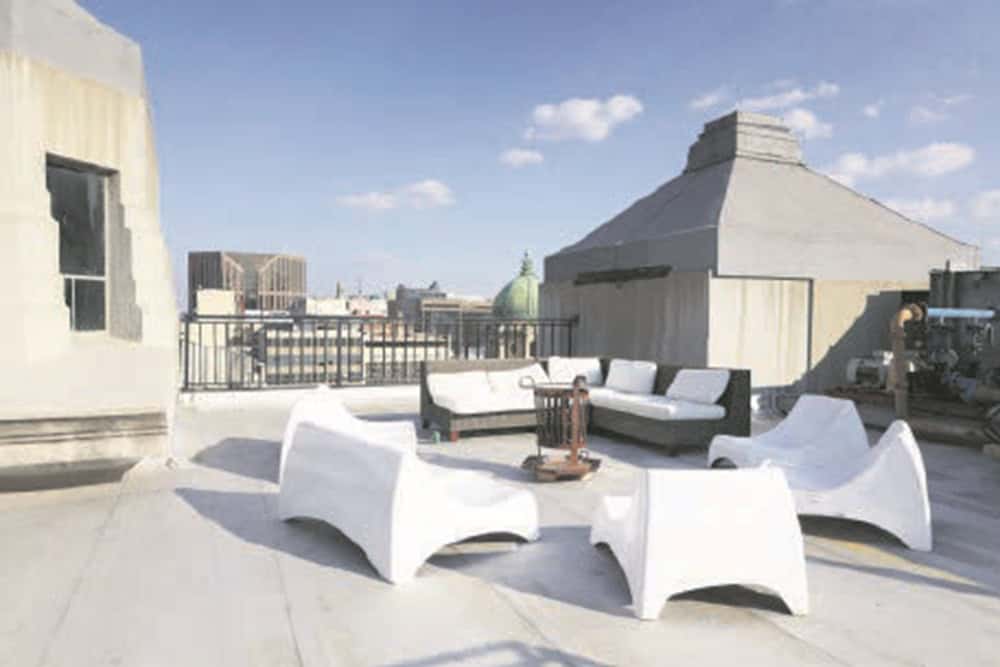
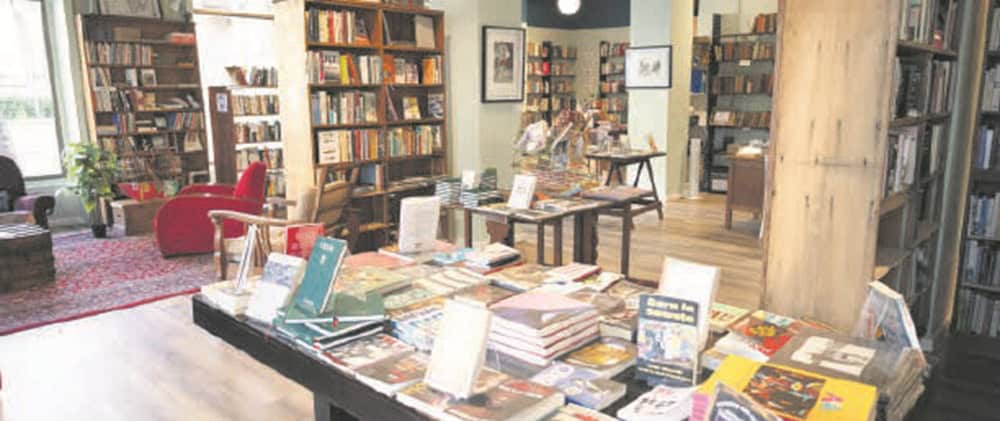
The ground floor of the building houses Bridge Books, an independent bookstore and coffee shop. Fashion designer and icon David Tlale has established his fashion academy and corporate offices in the building, while the restored penthouse sits at the very top, offering beautiful views of Johannesburg.
“We wanted Brooklyn style on the ground floor, African style in the middle and a mix of Joburg, New York and a touch of African at the top,” said Ciani.
Members of the public, for the very first time since its restoration, will be invited to experience the Barbican during the next Main Street Sundays, an initiative by Jozi My Jozi.
“I want everyone to have access to this building, so I thought, why not do that through Jozi My Jozi, which has been very supportive of this project.”
Penthouse views
According to Ciani, visitors can experience Art Deco architecture while enjoying amazing views of the inner city, reading books over coffee and discovering how Johannesburg’s most talkedabout building was brought back to life.
He believes heritage preservation and urban renewal can coexist, while making sure that people reconnect with their city.
“This project changed my life. I am contributing to the reimagining of Joburg, and that’s awesome.”