
Chess is a game of resilience.
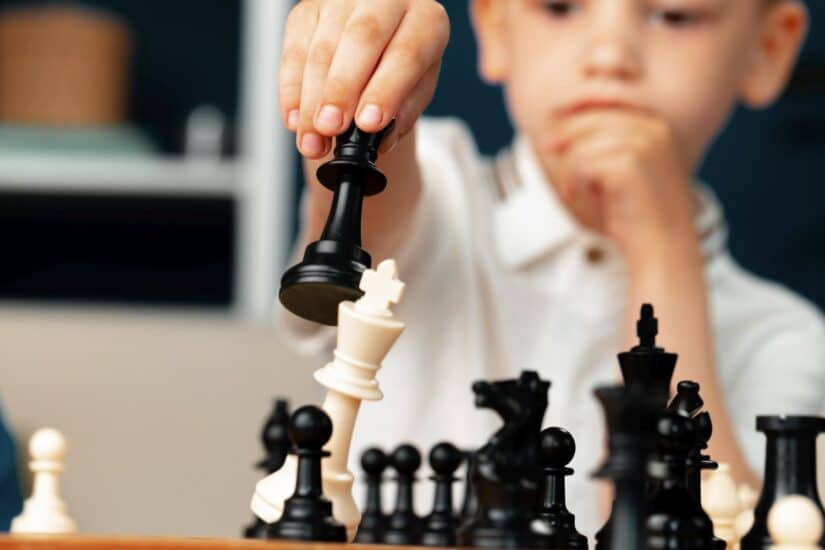
Picture: iStock


When I was growing up, chess was a game for everyone who didn’t play rugby, who couldn’t serve an ace or hit a six.
For that matter, going to chess in high school was more of an excuse to sit and contemplate your navel and skip something else compulsory.
Well, that was us rebels. We shared the classroom and the chessboards with the nerds.
Chess community
Even the teacher in charge of the game didn’t bother looking up from her You magazine.
But times have changed. Chess is huge. It’s on the down-low until you meet the community head-on, and kind of realise that it’s gone mainstream, albeit quietly.
At any given tournament there are hundreds of people playing, families and supporters picnicking and littlies running around playing tag, congregating in packs playing Roblox on their devices.
There really is a romance about playing chess, and the chess community.
Highly competitive sport
It’s no longer a geeky game, but a sport that tests endurance, challenges mental agility and is highly competitive.
More and more kids are taking up play – and they are starting younger. My son started at eight, but a whole cohort of six- and seven-year-olds flock to the board, too. Walk into a tournament and there are kids sitting across a board from one another with the seriousness of two grandmasters battling for a world title.
Thankfully, unlike at soccer and rugby matches, there are no parents hovering around yelling instructions and spewing expertise that shadows that of the referees.
A solo game
Parents are required to disappear at chess matches. The game, the responsibility of winning or losing, is all with the players. They go solo, and hugs and high fives only take place afterwards. Often, losers spill a tear, only to buck up and do it all again in the next round.
It’s a solo game – and perhaps that is one of the greatest things about it. There is nowhere to hide.
Nobody else can be blamed for your performance but yourself. You made the move. It was brilliant, average or spectacularly stupid. Chess players own that, whether 60 or 70.
If only our lot took it seriously donkey years ago, chess may have given us the same gifts that I can see my son, his friends and opponents keep receiving from participating and playing.
A game of resilience
Chess is a game of resilience. Matches can sometimes last for hours.
It demands razor-sharp focus, asks players not only to plan their attack or defence, but to anticipate, respond and react to what their foes are doing.
It’s the kind of situational awareness pilots and cabin crew must exercise on a daily basis.
Ratings matter a lot, and everything’s online. You can match up and size up foes, practise their opening moves and be buttkicked on an off day by a zero-rated newbie.
There’s a whole lingo, too. Scholar’s Mate, the Fried Liver Attack and Queen’s Gambit are among the names thrown around. My son also invented his own set defence called Chunky Monkey Funky Defence – and it actually works.
Teachings from chess
The logic is incredible; the intellectual fuel it burns intimidating, even for a grown-up. He beats me with mundane regularity now.
It’s good for a child. In the six months he’s been playing seriously, there has been a change in his levels of confidence and self-trust.
His maths and other school work rocketed from great, to fantastic, and it’s taught him patience and acceptance, too.
It’s one of the best accidental parenting coups in our family: playing chess.