
Vusimuzi Matlala's guilty plea implicates 16 top police and political figures while raising questions about asset recovery.
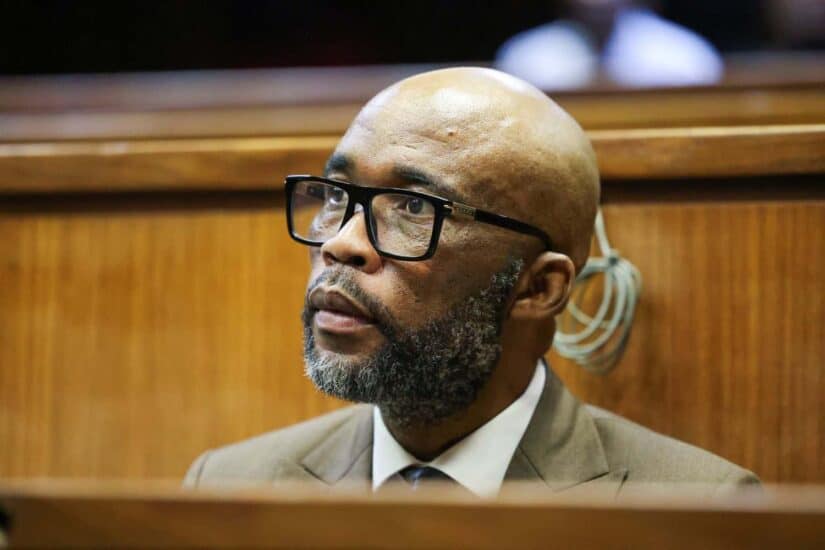
Vusimuzi ‘Cat’ Matlala appears at Johannesburg High Court on 26 February 2026. Picture: Gallo Images / Luba Lesolle


When an alleged underworld figure agrees to cooperate with the National Prosecuting Authority (NPA), the real question is not whether he is guilty. It is who is he about to expose.
That question now hangs over businessman Vusimuzi “Cat” Matlala, who last week pleaded guilty to fraud, corruption and money laundering in the Pretoria Specialised Commercial Crime Court.
In sworn testimony before parliamentary and law enforcement structures, he implicated 16 figures at the highest levels of policing and politics – among them KwaZulu-Natal police commissioner Lieutenant-General Nhlanhla Mkhwanazi, Crime Intelligence boss Lieutenant-General Dumisani Khumalo, suspended deputy national police commissioner Shadrack Sibiya, former police minister Bheki Cele, KwaZulu-Natal Hawks head Major-General Lesetja Senona and Brigadier Rachel Matjeng of the Forensic Science division.
At the centre lies a R360 million health services contract awarded to Matlala’s company, Medicare24 Tshwane District. Investigators allege a compliant bid worth R228 million was sidelined in favour of Medicare24’s inflated proposal. The SA Police Service had already paid out more than R50 million before the contract was cancelled last year.
Matlala was charged alongside 16 others – including 12 senior police officers, three company directors and suspended national police commissioner Fannie Masemola. His plea deal, postponed for ruling until today, proposes a 15-year sentence with seven years suspended, leaving eight years of direct imprisonment. With parole, Matlala could serve closer to four.
But plea bargains are weapons. The NPA trades reduced sentences for insider testimony that can penetrate criminal networks.
South Africans have seen this strategy before. Convicted drug dealer Glenn Agliotti walked free after testifying against ex-police commissioner Jackie Selebi. Agliotti later secured a full discharge in the 2005 Brett Kebble murder trial.
During state capture, Angelo Agrizzi’s testimony exposed Bosasa’s grip on public institutions. Yet many implicated figures remain unpunished. The lesson was sobering: exposing corruption is one thing; securing convictions another.
That is why Matlala’s plea deal should be approached with cautious optimism. If his evidence links organised crime to politicians, corrupt officers, or business figures, the NPA has a chance to dismantle criminal networks.
Organised crime rarely thrives without protection from influential people, as shown during the Madlanga Commission of Inquiry. Following those connections is often more important than prosecuting the cooperating individual.
Yet another question demands attention: what happens to Matlala’s assets? Imprisonment is not justice if wealth accumulated through crime remains untouched. Organised crime exists because it is profitable. Luxury properties, expensive vehicles, businesses and bank accounts are the proceeds that sustain criminal enterprises.
SA has robust laws to confiscate assets. These powers exist because syndicates cannot be defeated by prison alone. If Matlala’s assets remain intact, the NPA risks leaving the financial foundations of organised crime untouched.
The success of this plea deal will not be measured by explosive testimony, but by results. Does the information lead to arrests and convictions? And crucially, are illicit fortunes recovered?
If Matlala’s plea deal exposes powerful accomplices, secures convictions and strips criminal networks of their wealth, it could mark a genuine turning point in the fight against organised crime. Justice is only complete when crime no longer pays.