



Premier calls out double standards on qualifications but critics say finance is different when billions and public trust are involved.
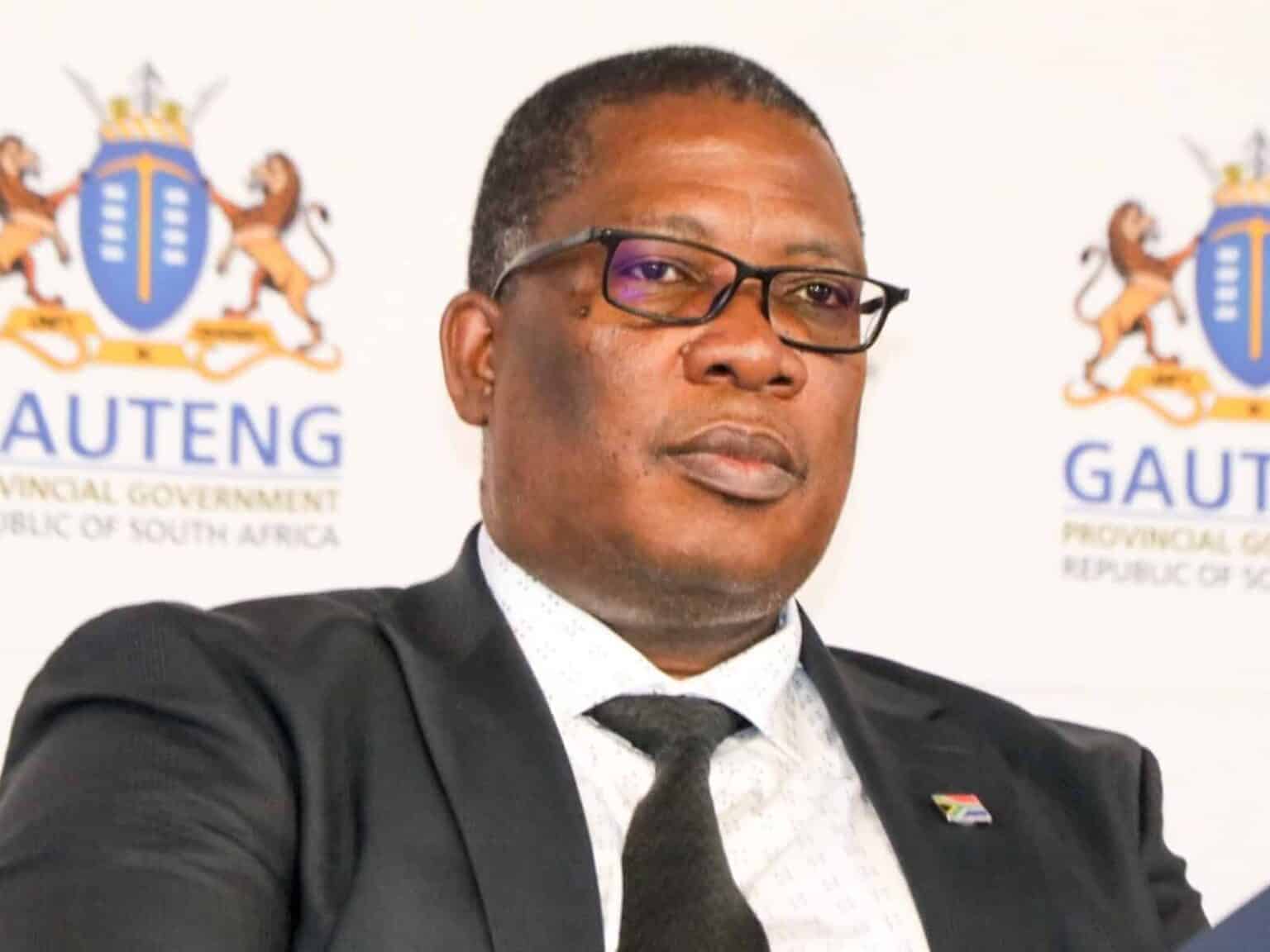
Gauteng Premier Panyaza Lesufi. Picture: X / @gpgSocDev


Unlike the infamous Des van Rooyen, remembered as South Africa’s “weekend special” after his four-day stint as finance minister in December 2015, Nkululeko Dunga has at least survived the Easter long weekend as Gauteng’s new MEC for finance.
His appointment, announced during Premier Panyaza Lesufi’s Cabinet reshuffle last week, has already stirred outrage and controversy.
Almost immediately, questions piled up. Does Dunga have the qualifications? Why appoint someone who was previously removed as Ekurhuleni’s MMC for finance? Can he be trusted to manage Gauteng’s finances responsibly?
Lesufi hit back. He accused the public of inconsistency, saying that when certain ministers in the government of national unity (GNU) were appointed to portfolios such as agriculture or public works, no one seemed to care if they were qualified. Why, he asked, the double-standards now?
On the surface, Lesufi has a point. Accountability should be applied evenly. If South Africans are serious about demanding competence, then every appointment – whether in Gauteng or nationally – deserves the same tough questions.
Otherwise, the outrage looks selective, more like partisan noise than principled oversight.
But here’s the reality: not all portfolios are equal in the public eye. Finance is not just another department; it is the heartbeat of governance. It decides whether schools get textbooks, hospitals hire doctors, roads are built, and the people have running tap water.
A mistake in finance can affect every sector.
That’s why the appointment of a finance MEC attracts sharper scrutiny than, say, agriculture. It’s not hypocrisy – it’s common sense.
This tension reveals something deeper about SA’s political culture: the blurred line between political leadership and technical expertise. Should officials be chosen primarily for their political loyalty and representational value, or should technical qualifications be the decisive factor? The constitution envisions political leadership, not technocracy.
ALSO READ: Knives out for Lesufi in the ANC after controversial EFF appointment
Yet, in practice, citizens often expect ministers and MECs to be subject-matter experts.
That expectation is not unreasonable. When billions of rands are at stake, people want assurance that those entrusted with the purse strings understand fiscal policy, debt management and economic planning. The Tembisa Hospital scandal, involving about R2 billion in tender corruption, is one example that has shaken public trust.
Lesufi’s defence of Dunga also raises awkward questions about coalition politics. Dunga is from the EFF, and his appointment was key to getting the provincial budget passed.
That makes the move look less about merit and more about political survival. Consistency, in this case, feels like a shield for an ally.
In this light, Lesufi’s argument falters. Consistency cannot be invoked to silence legitimate concerns. If the public failed to scrutinise GNU appointments, that was a missed opportunity – not a precedent to excuse future lapses.
The broader lesson is that South Africans must develop a culture of equal, rigorous scrutiny across all levels of government. Every appointment should be interrogated – not just finance, not just Gauteng, not only when it suits partisan interests. Accountability must become a habit, not a weapon.
At the same time, leaders must recognise that certain portfolios will inevitably attract more attention. Finance, health, and education are too critical to be treated like ceremonial posts as they shape lives daily.
Lesufi is right to call out selective outrage. But his argument risks trivialising legitimate concerns. The public is not wrong to demand clarity on Dunga’s qualifications.
What is wrong is when scrutiny is applied unevenly, depending on political convenience.
Every appointment must be tested against the same yardstick: competence, integrity and the ability to deliver. Until then, our democracy will continue to show its cracks.
NOW READ: ‘It’s an expensive process’: Provinces grapple with high cost and resistance to lifestyle audits
Support Local Journalism
Add The Citizen as a Preferred Source on Google and follow us on Google News to see more of our trusted reporting in Google News and Top Stories.

