



Tomorrow is not an invitation to trust blindly. It is an opportunity for citizens to choose critically.
 Elections 2026
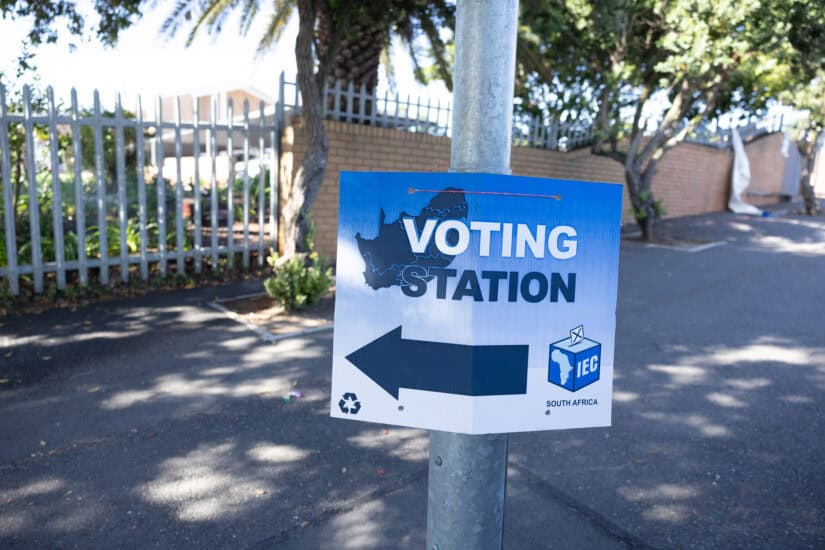
Low voter turnout could leave South Africa’s municipalities in the hands of an unrepresentative electorate. Here’s why every vote matters. Picture: Gallo Images/Misha Jordaan


Tomorrow, South Africans will elect their municipal councils.
Broken promises have made the ballot feel less like an instrument of change than a receipt for disappointment.
But choosing not to vote because “politicians are all the same” will not punish failed politicians in the way frustrated citizens hope.

LIVE interactive map, latest news, multimedia and more!
View MapIt will merely leave the choice of who governs to somebody else. And govern they will. And it will not matter whether some people voted for them or not, they will still assume office and govern.
So, clearly, disillusioned or not, people need to get out there and vote.
The danger of withdrawal is not theoretical. Good Governance Africa recorded municipal election turnout falling from 58% in 2016 to 46% in 2021.
Another decline is possible, not inevitable. It should not, however, become a surrender of the power to demand something better from those seeking public office.
For young people asking why they should elect adults who keep letting them down, the answer cannot be another lecture about gratitude.
Democracy must offer more than campaign slogans.
Yet a vote is not an expression of affection for politicians. It is a tool for choosing representatives, withholding support and making failure carry an electoral cost.
Life does indeed continue, whether citizens vote or not. Municipal budgets are spent, contracts awarded and officials appointed.
Abstention does not halt government; it reduces their influence over its direction.
Coalition bargaining may produce leaders whom many residents never wanted.
That is an argument for greater scrutiny of parties and their agreements, not for giving those negotiations an even narrower democratic foundation.
Ekurhuleni and Tshwane make the stakes painfully clear.
The Madlanga Commission of Inquiry is investigating whether criminal syndicates, including drug cartels, infiltrated or influenced law enforcement agencies, including both metros’ police departments.
The possibility that public authority can become private protection for criminal interests demands vigilant citizens and councillors who refuse to look away.
Accountability must also be fair. In Tshwane, the mayor reported that an independent investigation identified administrative weaknesses, but did not recommend disciplinary proceedings against city manager Johann Mettler.
Citizens cannot defend the rule of law by discarding it. Voters should insist on credible investigations and lawful consequences, not confuse political accusations with proven wrongdoing.
The central electoral question is therefore not simply who promises to fix a pothole. It is who will protect the institutions responsible for fixing it.
Councillors must demand transparent recruitment, properly vetted senior managers, open procurement and effective oversight.
They must refuse to shield compromised officials, while respecting due process.
A city manager’s office must serve residents, never become a gateway through which private networks commandeer public power.
Before marking a ballot, citizens should examine records rather than rallies.
Who supports publication of contracts? Who protects whistle-blowers? Who demands action when auditors or investigators raise concerns?
Support should be conditional on integrity, competence and demonstrable service.
Tomorrow is not an invitation to trust blindly. It is an opportunity for citizens to choose critically.
Anger at municipal decay can be used to strategically vote for change.