Acting Police Minister Cachalia said the full might of the law will be brought to bear against any violence during the 30 June anti-immigrant marches, with the SANDF on standby.
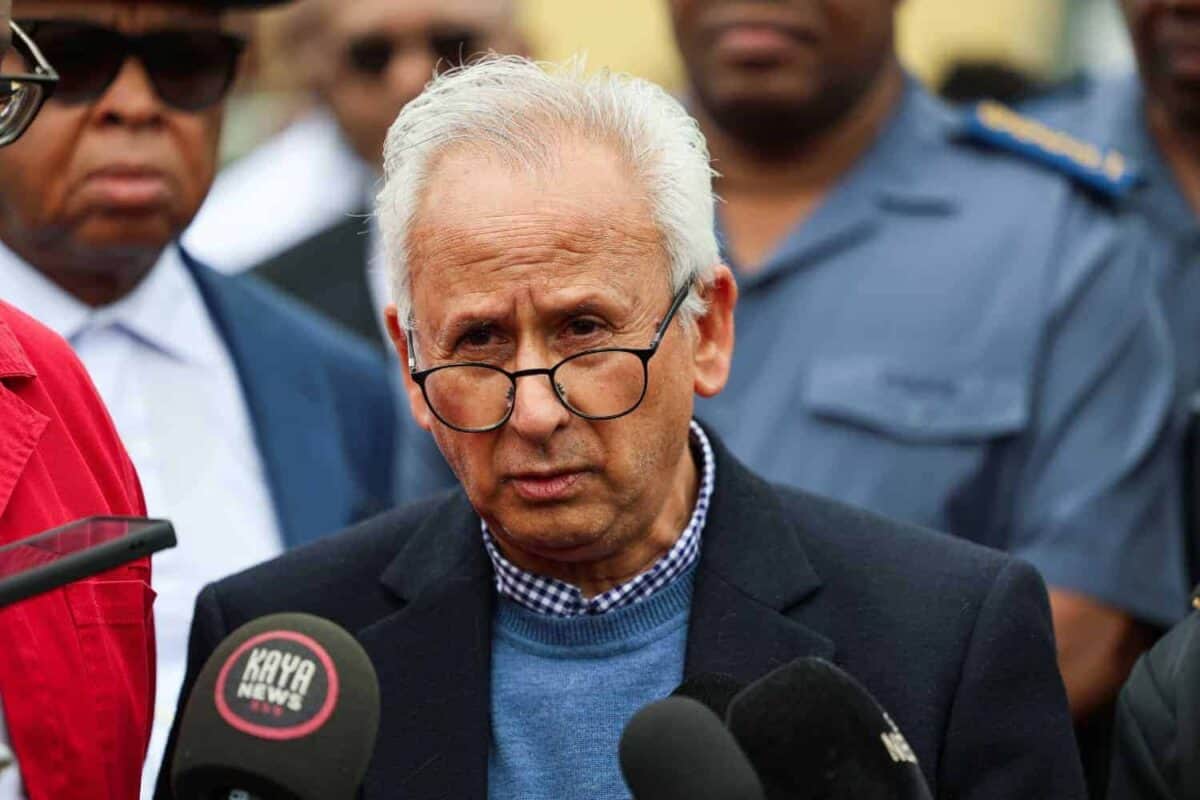
Acting Police Minister Firoz Cachalia speaks to the media at the JMPD Headquarters in Sophiatown on 10 November 2025. Picture: Gallo Images/Luba Lesolle


Acting Police Minister Firoz Cachalia has warned that the full might of the law will be used on those who undermine safety and security on 30 June.
Officials from the Justice, Crime Prevention and Security (JCPS) cluster briefed the media on law enforcement’s plans in place ahead of the 30 June anti-illegal immigrant demonstrations.
Full might of law will meet violence during 30 June marches
Anti-illegal foreign national movements set a 30 June deadline for undocumented foreign nationals to leave South Africa.
President Cyril Ramaphosa, however, dismissed the deadline, saying that some individuals are using the immigration debate to create disorder.
During the briefing, Cachalia emphasised the importance of upholding the rule of law and the dignity of all people in the country.
“Our message is clear and unequivocal: the full might of the law will be brought to deal decisively with those who seek to undermine the safety and security of our people and our constitutional republic,” the acting minister said.
He added that the South African Police Service (Saps) is ready to deal with all the challenges that may come up on the day, but should a need arise, the South African National Defence Force (SANDF) will be asked to assist.
Minister of Defence and Military Veterans, Angie Motshekga, said the defence will play a limited role in maintaining public order on the day.
SANDF on standby
She said the SANDF’s role is to maintain order at key points such as airports and power stations.
The acting national commissioner of the Saps, Lieutenant-General Puleng Dimpane, said that intelligence and operational assessments are guiding the police’s plan and that the Saps are monitoring the situation daily.
Dimpane said the Saps respects the constitutional right to peacefully demonstrate, but it will act against any criminality or violence.
“Our members have been instructed to facilitate peaceful protests while taking action against any acts of criminality, violence, intimidation or damage to property,” the acting commissioner said.
“The law is very clear.”
Dimpane added that law enforcement is concerned about people carrying weapons at the demonstration.
Saps will facilitate peaceful protests, but act on violence and weapons
She said the law will be enforced strictly and encouraged the leaders of the protests to discourage participants from carrying weapons.
Watch the media briefing here:
The chairperson of the National Joint Operational and Intelligence Structure (Natjoints), Lieutenant General Tebello Mosikili, backed Dimpane by saying it is important to respect constitutional rights while preventing incitement to violence.
Natjoints is responsible for coordinating all the departments within the JCPS cluster.
Mosikili said operational briefings have been conducted to ensure readiness and a response to any risks that arise. She detailed the integrated operational plans activated across provinces, involving multiple departments.
The chairperson said that the focus is on protecting lives, maintaining public order, and ensuring the free movement of people and goods.
“The message we’d like to give to South Africa is that they are allowed to march, picket and assemble; however, that must go with a responsibility,” Mosikili said.
Zulu royal house pledged peace
“There are people who want to march and people who don’t want to march or participate. They should be given their constitutional right if they so deem.”
The cluster said more engagements will be held this week.
On Sunday, the minister of justice and constitutional development, Mmamoloko Kubayi, and the deputy minister of international relations and cooperation, Thandi Moraka, met with the prime minister of the Zulu Kingdom, Inkosi Thulasizwe Buthelezi, and royal house members on Sunday.
The delegation included Dimpane, Mosikili and the Director-General of the Department of Home Affairs, Livhuwani Tommy Makhode.
The delegation discussed the 30 June demonstration and sought support from traditional leaders for a lawful and peaceful approach to addressing illegal immigration concerns.
The royal house pledged to promote peace, discourage violence against foreign nationals and ensure that the demonstrations stay lawful.
Recognised federations urge workers to report for duty
Meanwhile, last week, the National Economic Development and Labour Council (Nedlac) emphasised that the recognised labour federation didn’t call the action, and therefore, it is not protected.
Nedlac comprises the Congress of South African Trade Unions (Cosatu), the Federation of Unions of South Africa (Fedusa), the South African Federation of Trade Unions (Saftu), and the National Council of Trade Unions (Nactu).
The federations said workers who are absent from work during the demonstrations won’t receive the legal protections given to participants in a protected strike.
“We urge workers to report for duty and not place their employment at risk,” Nedlac said.