Ndondo was abducted from his home in Cala by members of the Transkei Security Branch and Vlakplaas askaris.
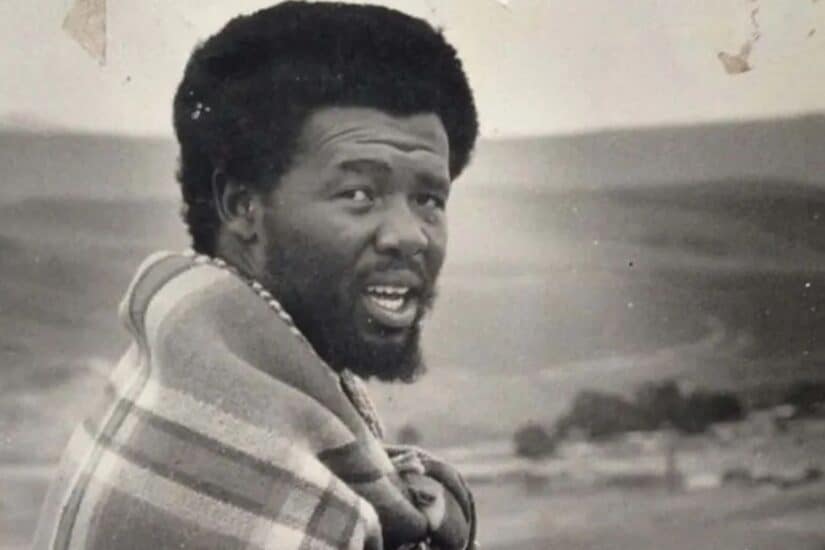
Anti-apartheid activist Bathandwa Ndondo, whose murder remains one of the unresolved apartheid-era cases. Picture: Supplied.


The long‑delayed trial into the 1985 murder of anti‑apartheid activist Bathandwa Ndondo has been postponed once again, after the presiding judge stepped aside following defence concerns over her impartiality.
On Tuesday, 22 July 2026, the Mthatha High Court, sitting in Cacadu (formerly Lady Frere), postponed the matter until Monday, 27 July, with the case enrolled until 31 July to allow for the appointment and availability of a new presiding judge.
Recusal
National Prosecuting Authority (NPA) spokesperson Luxolo Tyali confirmed that Judge Buyiswa Majiki agreed to recuse herself after the defence raised concerns on behalf of the accused, former Transkei Security Branch officer Gcinisiko Dandala (68).
“The defence argued that Judge Majiki had been a student activist at the University of Transkei (Unitra) and had participated in protests calling for the arrest of those responsible for Ndondo’s murder. Ndondo was also a student activist at the institution at the time.”
Judge Majiki told the court she had arranged for another judicial officer to preside over the matter to avoid delays arising from a potentially protracted recusal application.
Accessibility
The Eastern Cape Director of Public Prosecutions (DPP) directed that the case be heard at the Cacadu Circuit Court to ensure greater accessibility for members of the public from surrounding communities.
Background
Ndondo’s killing on 24 September 1985 remains one of the unresolved apartheid‑era cases now being prosecuted under the Truth and Reconciliation Commission (TRC) legacy framework.
At the time, Ndondo was a prominent student activist at Unitra, known for mobilising against the Transkei government’s collaboration with apartheid authorities. His murder became a rallying point for youth organisations in the region, sparking protests and calls for accountability.
According to the NPA, Ndondo was abducted from his home in Cala by members of the Transkei Security Branch and Vlakplaas askaris.
Witnesses reported that he attempted to escape from a moving vehicle, half‑dressed, before being chased, shot, and fatally wounded. He was later taken to Cala Police Station and then to hospital, where he succumbed to his injuries.
Amnesty
Dandala previously applied for amnesty before the TRC, but his application was refused. In his submission, he claimed Ndondo was targeted because security officers feared being killed by Askaris if they failed to carry out the act.
The TRC rejected this reasoning, ruling that the killing was politically motivated and unjustifiable.
The Ndondo case is one of several unresolved apartheid‑era murders revived in recent years, as prosecutors seek to address the backlog of TRC legacy cases. These prosecutions are seen as critical to restoring faith in the justice system and providing long‑delayed closure to families of victims.
Revival of Case
The case was revived following consultations with the DPP, which resolved that the matter be formally investigated under the TRC legacy framework.
After what the NPA described as an extensive and meticulous investigation, Dandala was arrested as the only surviving suspect linked to Ndondo’s murder.
Closure
Tyali said the NPA hopes that, should a conviction be secured, the proceedings will provide long‑awaited closure to Ndondo’s family and contribute to ongoing efforts to address unresolved crimes committed during the apartheid era.