
Brand new temporary classrooms that had yet to be electrified were also ruined by excrement.
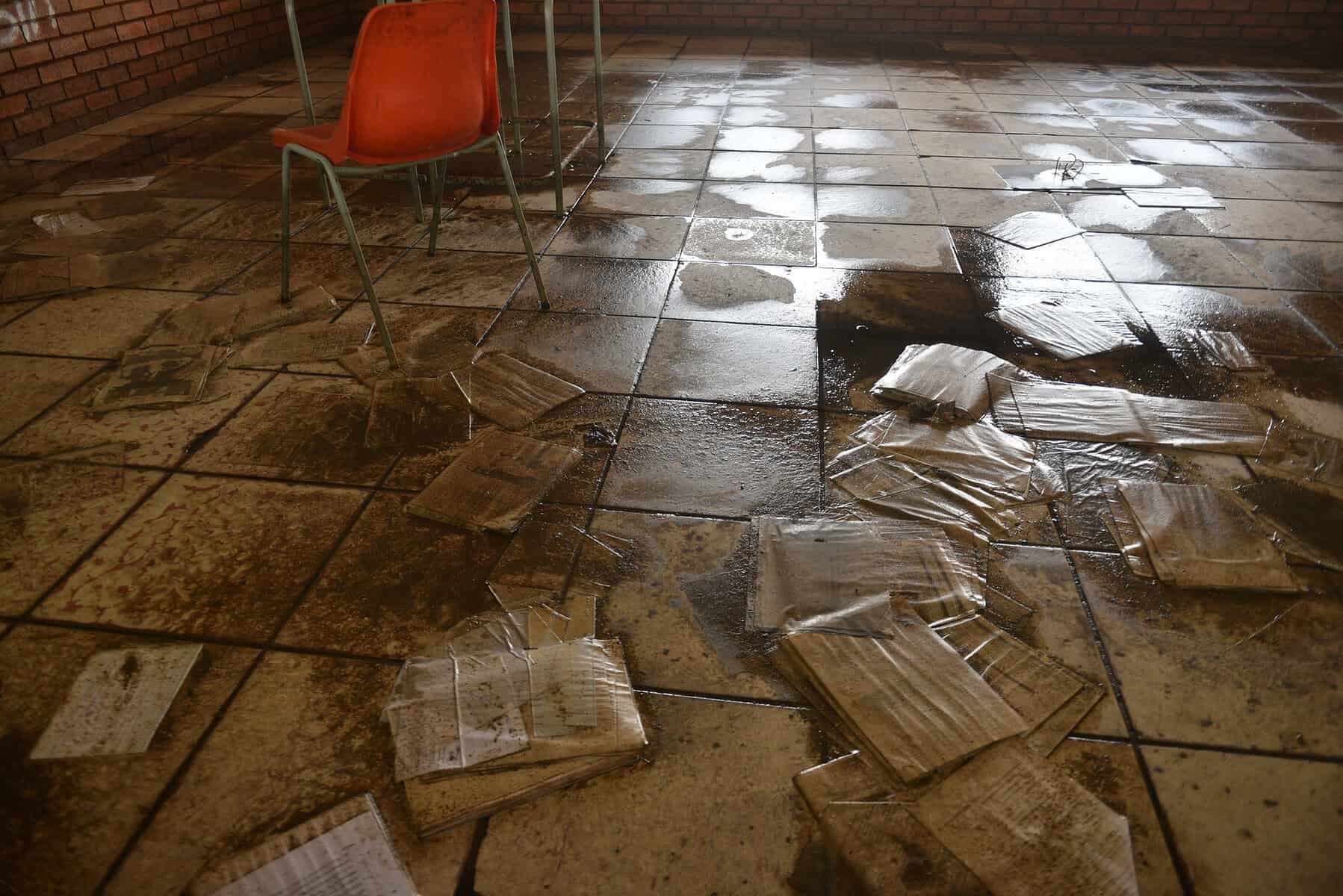
More than 2 000 pupils and their teachers were forced to flee Sizwe Secondary School in Elandsfontein after sewage and stormwater flooded classrooms, toilets and sports grounds.
Matriculants and other pupils had to complete exams at a nearby school.
Sizwe Secondary is the only non-fee paying school in the area and services a largely underprivileged community.
Scale of damage and community impact
The disaster turned the back end of the school year and the coming festive season into a celebration of stink and filth for the children and the surrounding community.
It’s an education and public health crisis that neither the City of Ekurhuleni nor the Gauteng department of education (GDE) seems willing to own.
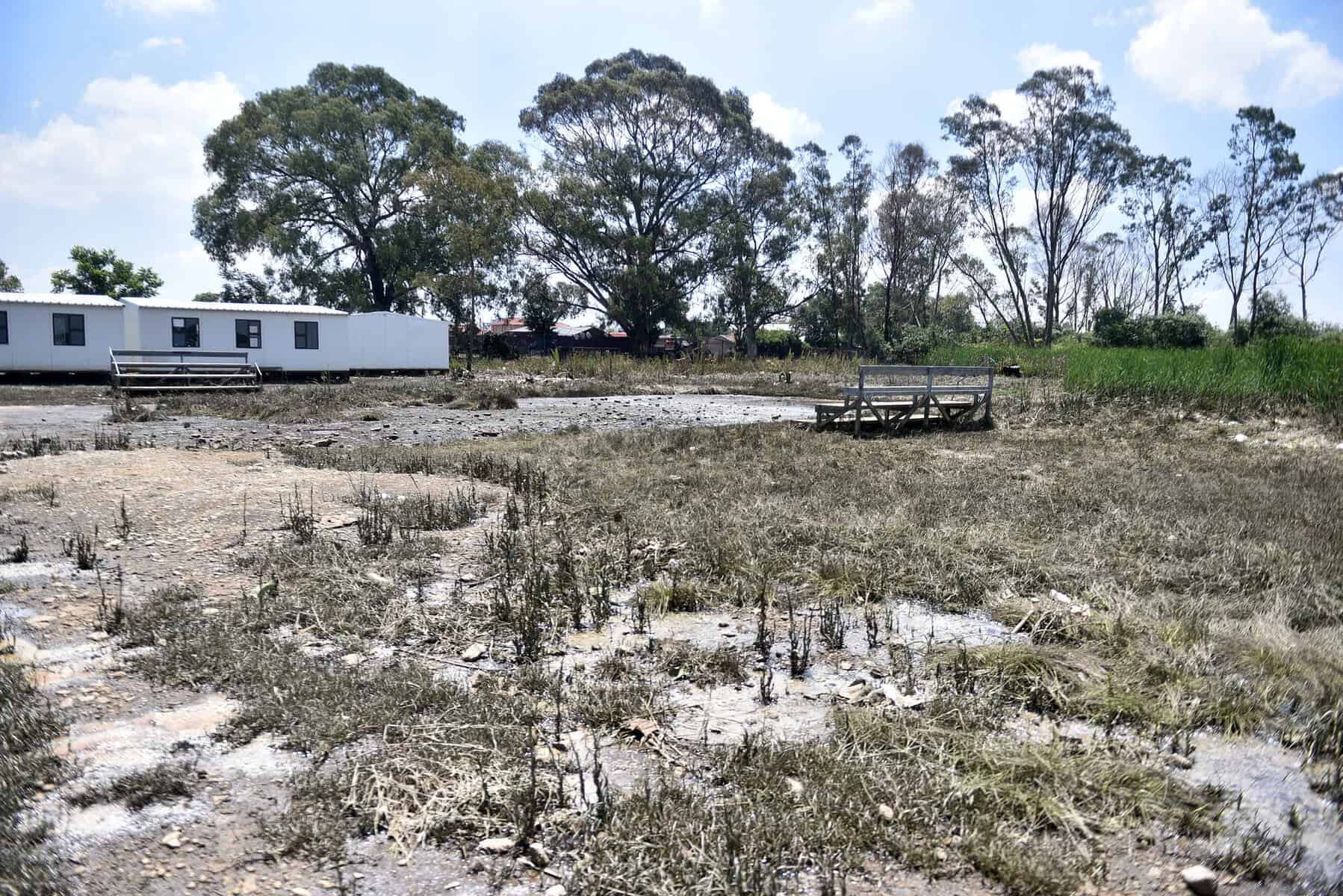
While the gunk subsided from almost half a metre of flooding last week, large parts of the school remain covered in poo and other waste. It is surrounded by a collapsed wetland, destroyed due to illegal dumping.
An informal settlement that houses just over 7 000 people was built on the waste dump that now neighbours the school. The stink is unbearable.
DA ward councillor Kade Guerreiro said at least 12 classrooms were so badly damaged by the disaster that they would have to be replaced.
Brand new temporary classrooms that had yet to be electrified were also ruined by excrement.
School staff overwhelmed as officials fail to act
A school staffer, who did not want to be named for fear of losing their job, said it was the school’s leadership that took the decision to evacuate.
“We had no guidance or support from the department,” they said.
ALSO READ: Sewage runs into yards for months in Pretoria West
Until now, they noted, the swamp-like conditions had only destroyed the school’s tennis courts, soccer field and netball courts and children were still able to attend class.
“It’s all over now,” they said.
Guerreiro said the disaster has been building for months. “The wetland behind the school used to drain the whole area, but after it collapsed and became an informal settlement, there’s nowhere for stormwater to go,” he said.
Conflicting explanations and escalating health concerns
“Everything backs up into the school. We’re dealing with sewage, constant flooding and infrastructure that can’t cope. The City of Ekurhuleni won’t help us. They say it’s the department of education’s problem.”
He added complaints to the city have gone unanswered and the GDE has also not bothered to visit the school.
“The kids were writing exams. It’s unacceptable,” he said.
The area around Sizwe Secondary tells the same story. Streets are lined with sewage pools. It stinks, too.
One street is completely inaccessible. Warehouses in the surrounding industrial area, said Guerreiro, are surrounded by contaminated water.
Residents of the informal settlement said rats, mosquitoes and flies have increased since the city pumped out some of the water in sections of the neighbourhood last week.
Political response and disputes over responsibility
Member of the Gauteng Legislature Mike Waters, the DA’s spokesperson for education in the province, said the situation left him gobsmacked and nauseous.
“If the department cared, they would be here,” he said.
ALSO READ: Merafong Municipality faces criminal charges over raw sewage
Waters asked whether the school can realistically reopen in January.
“Not with the current level of commitment from government. This place needs proper rehabilitation; proper infrastructure and immediate funding,” he said.
“If the department and the city worked together, it could be done. But right now, no-one is taking responsibility.
“It’s heartbreaking. The area needs massive intervention, not excuses.”
The situation has already been escalated to the Human Rights Commission, Waters added.
Ekurhuleni, however, said it is not to blame. City spokesperson Zweli Dlamini said the municipality’s water and sanitation infrastructure is functioning and that the overflows are instead the result of abnormal volumes of stormwater and the occupation of the wetland by the informal settlement.
“A new sewage pump fitted last month is working well when not tampered with due to illegal energy connections,” he said.
“Daily inspections are being carried out. Any failures are promptly attended to. The stormwater flooding during heavy rains, lack of a stormwater discharge point and invasion of the wetland are the major causes of the school flooding.”
Dlamini did not say why the municipality failed to protect the wetland and prevent illegal dumping.
It also did not indicate whether health officials would be deployed to assess risks to the more than 7 000 people living next to the contaminated area.
The GDE did not respond to questions by the time of publication.
NOW READ: City of Tshwane says ‘there’s no need for alarm’ about sewage in Pretoria’s Rietvlei Dam