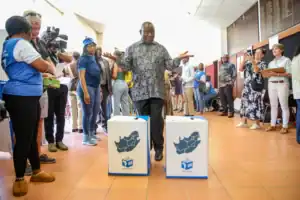



Election day in Ekurhuleni had it all. R5 for a pee, boeries, political dance-offs and kilometre-long queues. Democracy was anything but dull.


Democracy can sometimes be about as exciting as watching paint dry.
It’s a sign that things are mostly working, because no drama means a good narrative and outcome – so the clever people say.
But on the East Rand, election day was anything but dull, with political parties turning polling stations into street parties, entrepreneurs making a quick buck and voters queueing for kilometres at times to make their mark.

LIVE interactive map, latest news, multimedia and more!
View MapAfter months of campaigning, special votes and finally election day, the political spectacle began to look humdrum-like familiar.
The queues were either long or short, party representatives wore their colours and canvassed for support, while voters waited patiently for their turn. And, damn it, it was hot.
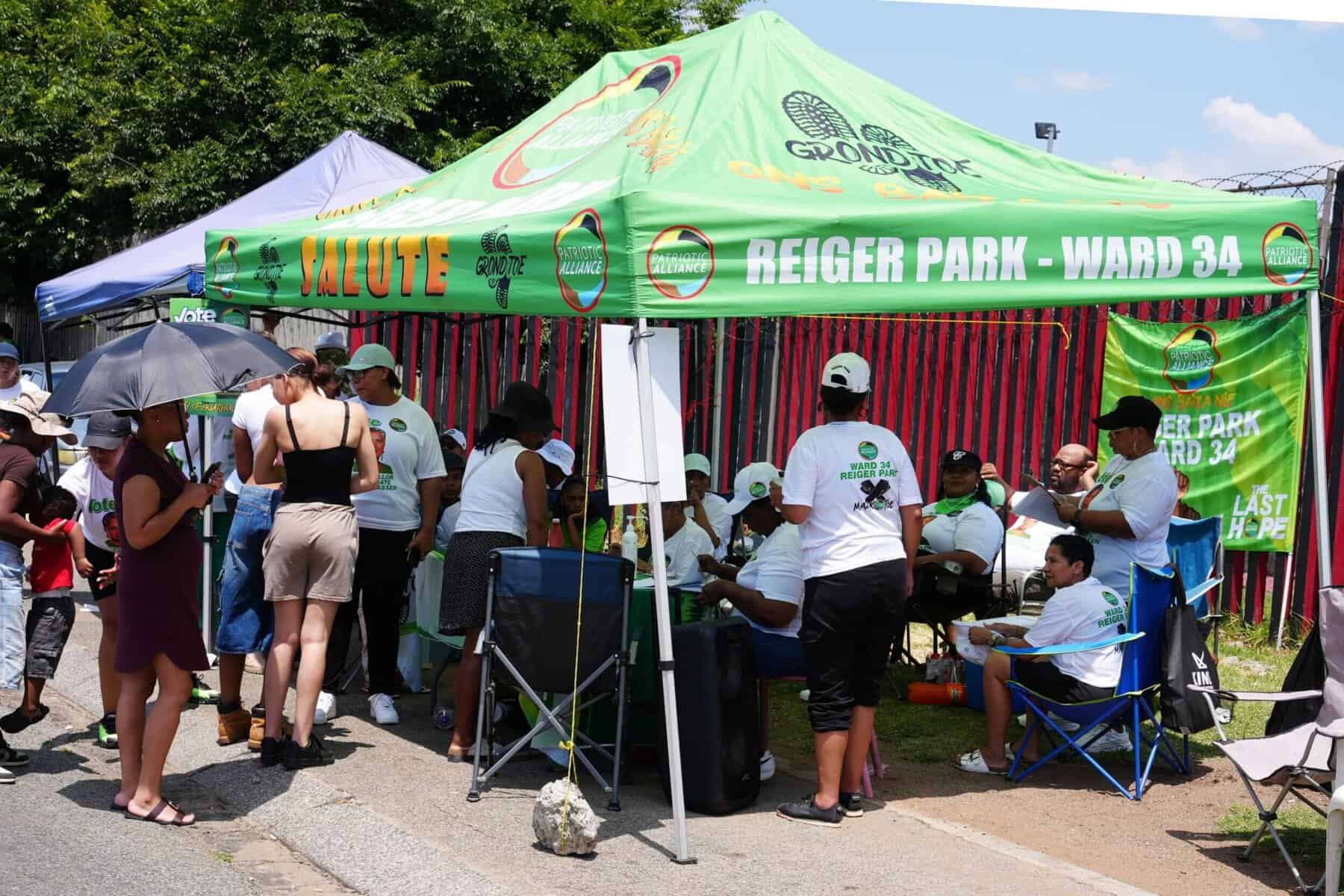
But residents in Reiger Park, Boksburg had other ideas about how democracy should be celebrated.
Loud music, competing political parties staging impromptu dance competitions and cars plastered with election posters turned the area around the voting station into something resembling a street festival.
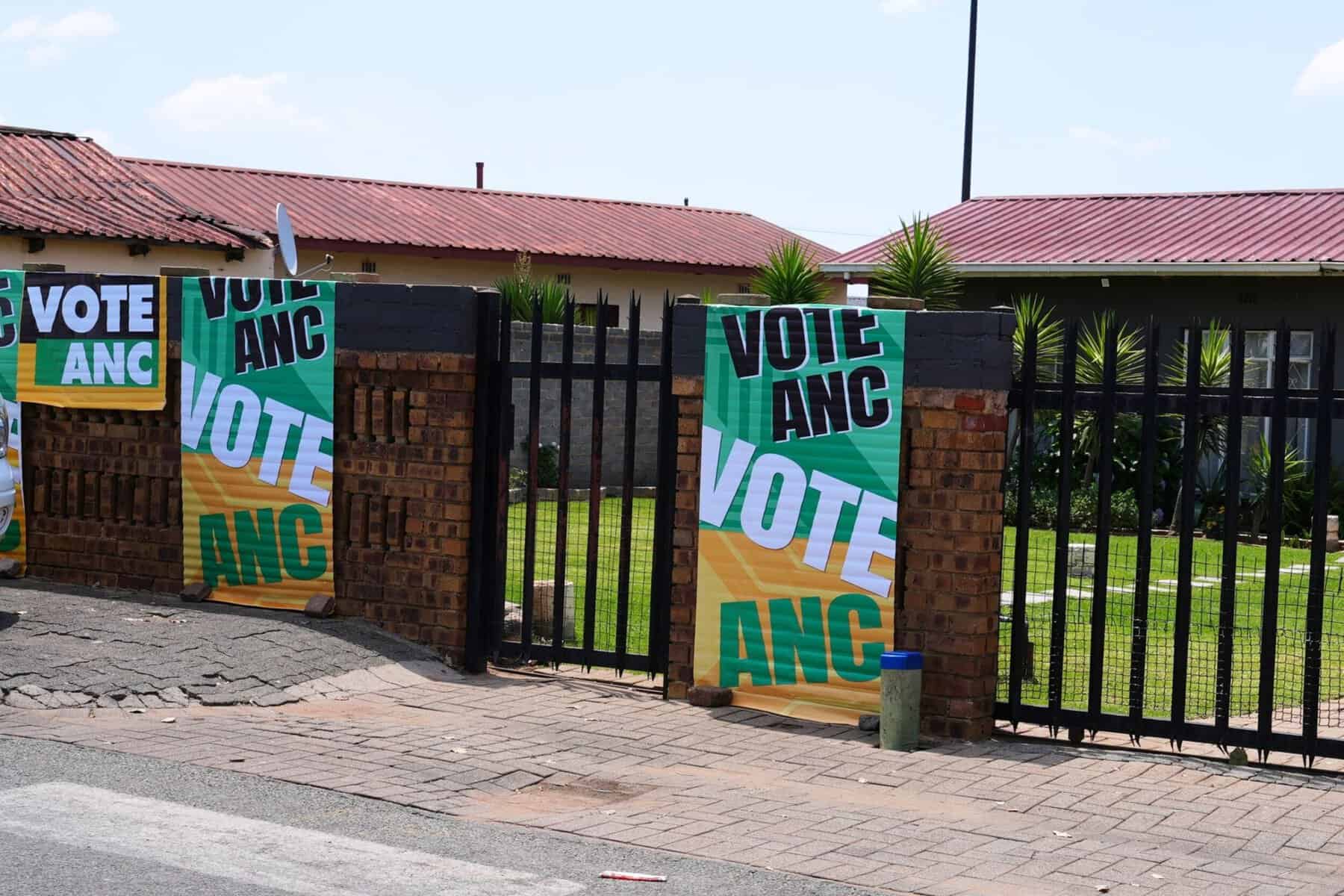
Residents even decorated their boundary walls with party colours, while campaigners competed to see who could turn up their music the loudest.
The PA dance-off in Reiger Park
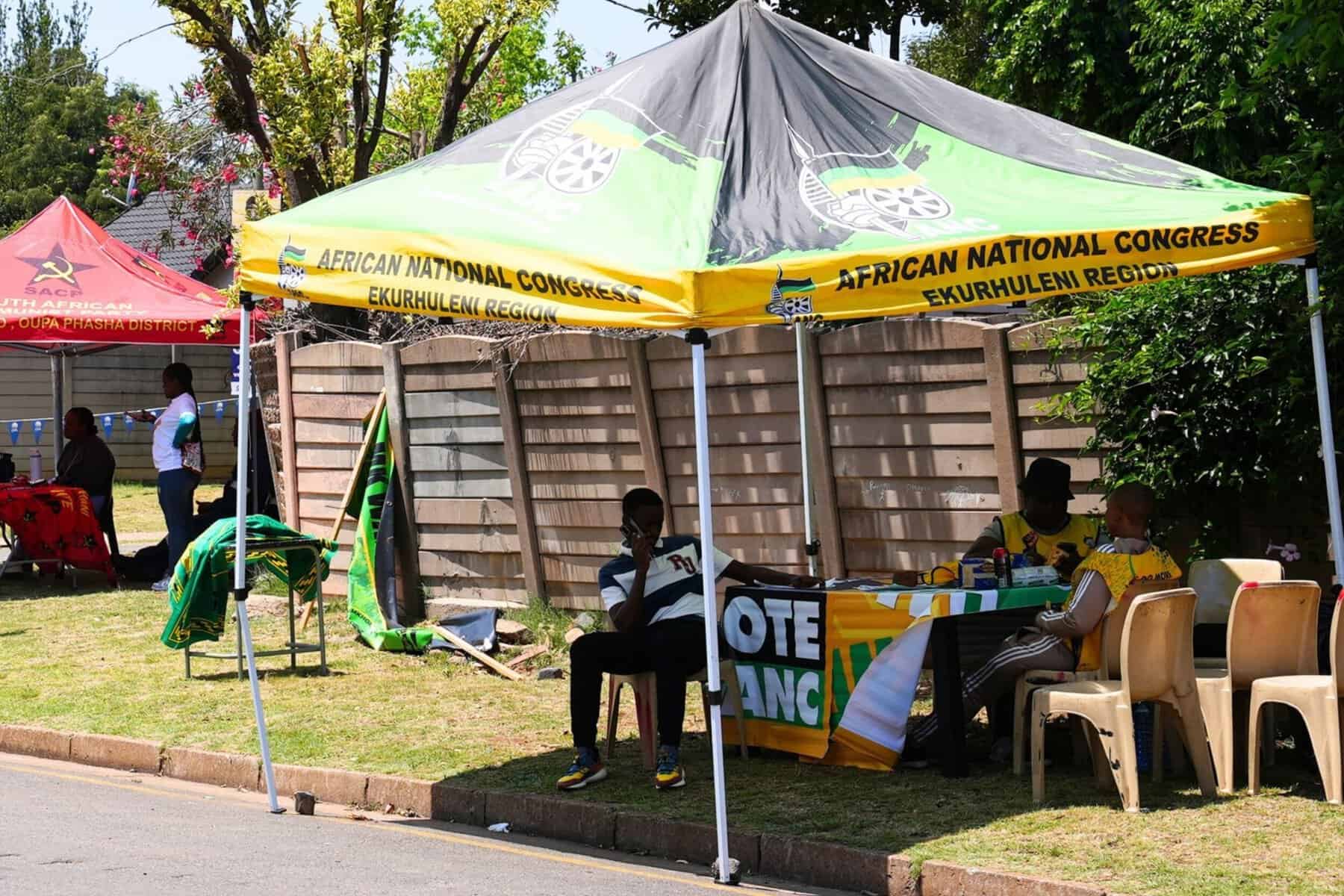
Not every party had a party. At some polling stations, activists baked in the sun; an ActionSA candidate never received his kit, not even a chair; a tired MK crew and ACDP activists were conspicuous by their empty stations at another polling spot and, in Kempton Park, ANC comrades helped their EFF comrades in setting up their gazebos, this after the reds rocked up five hours into the action.
Ironically, one ANC wonky setup reminded of what some residents said was their past five years in power.
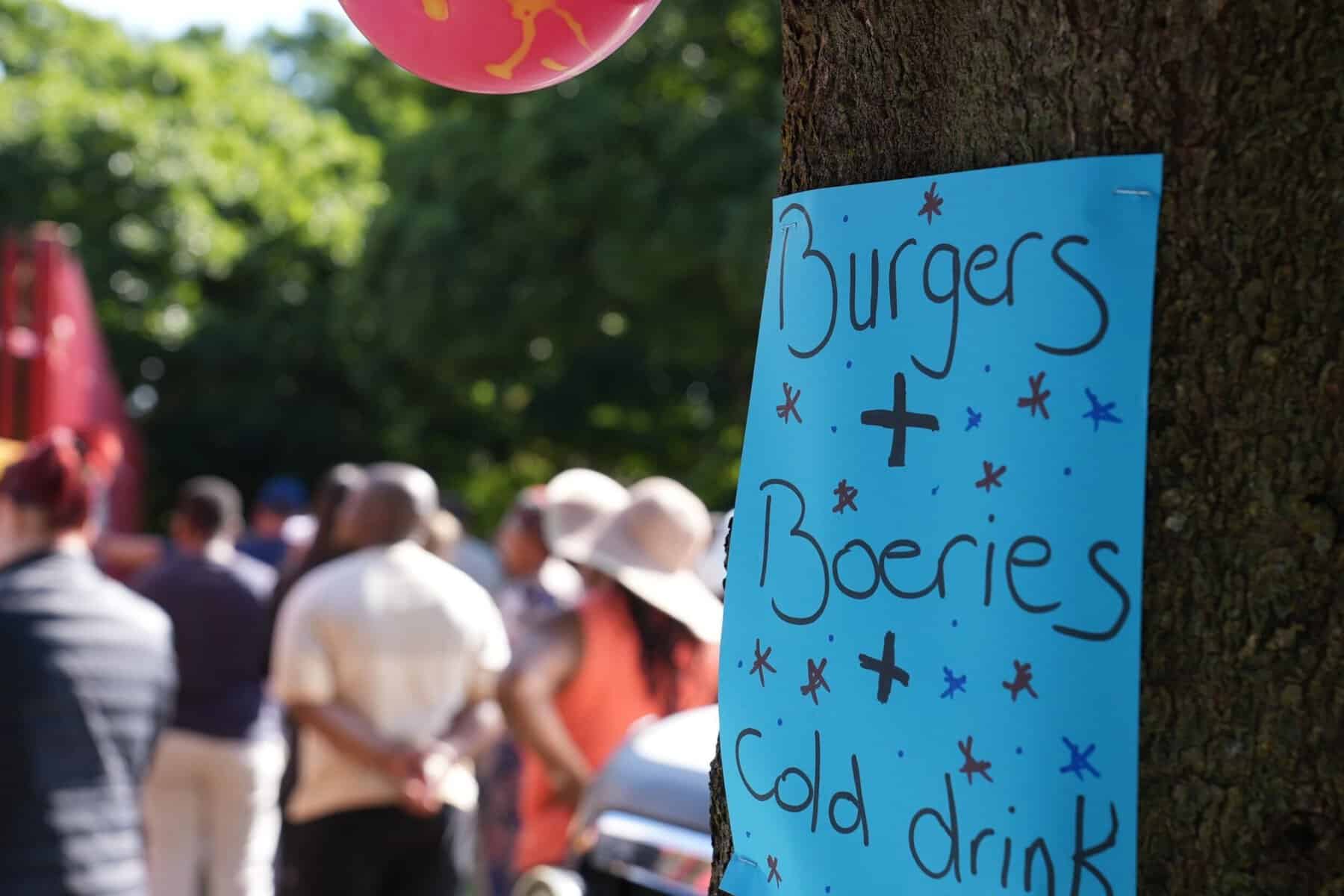
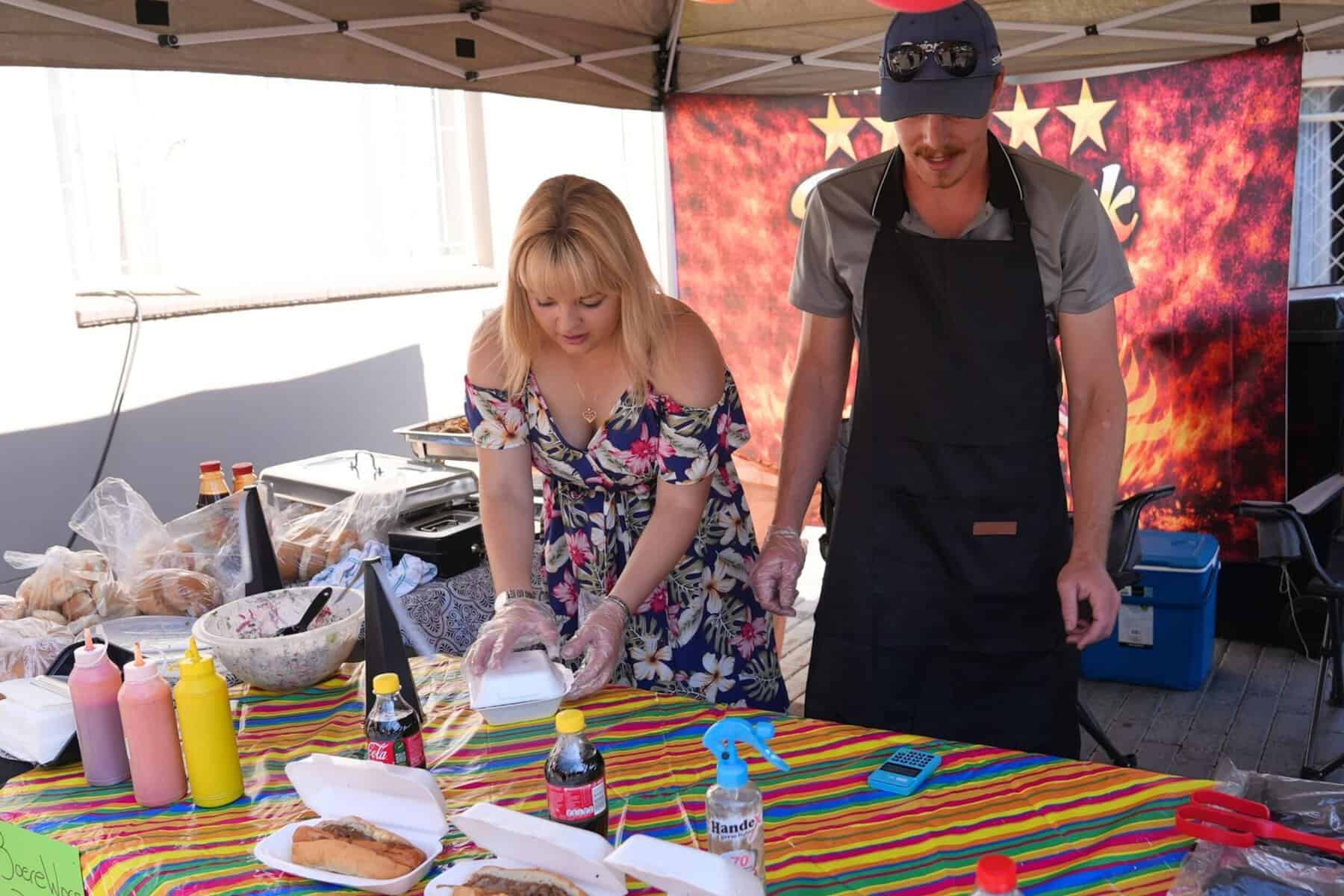
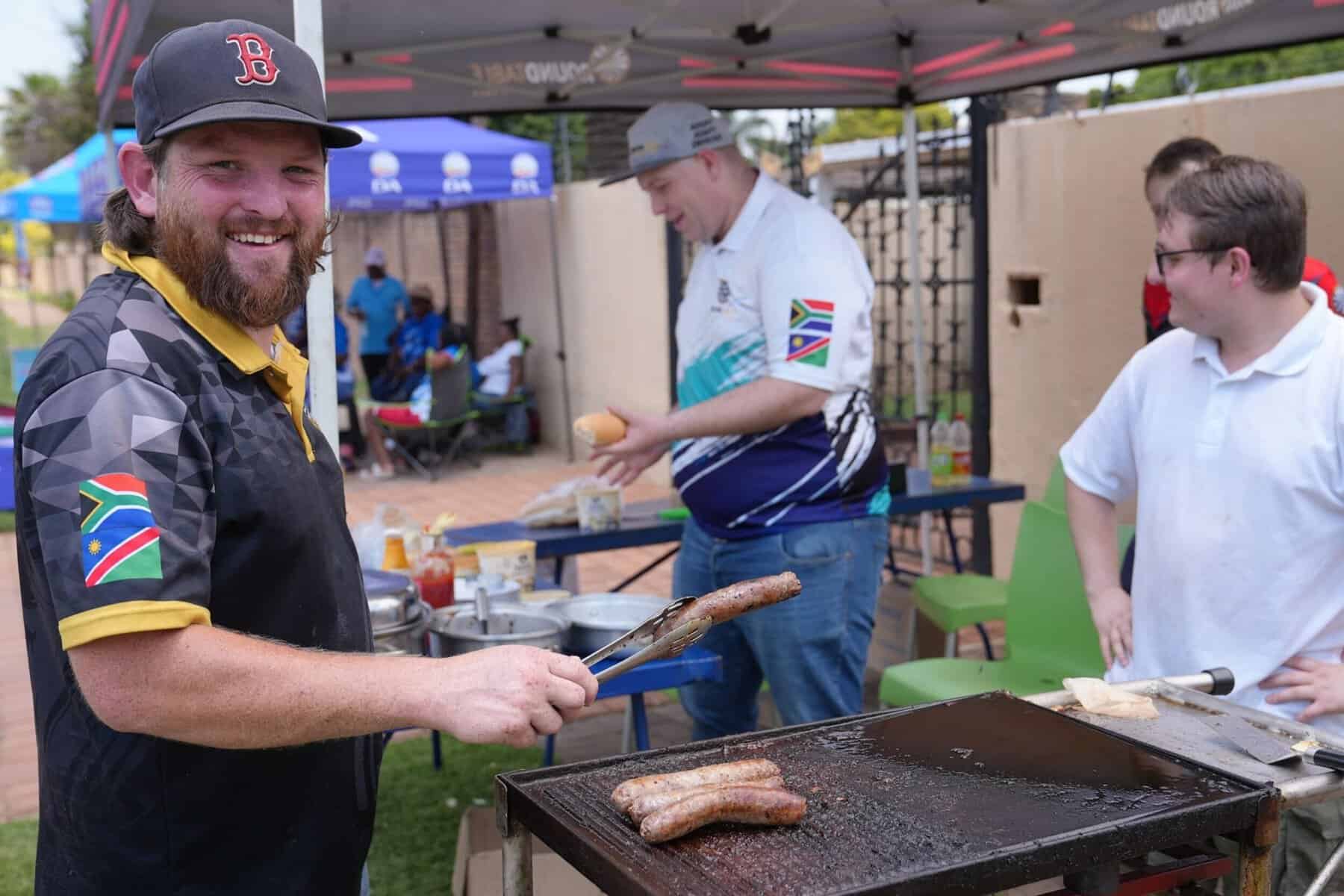
At least the Rotary Club of Boksburg braaied and sold boeries for a good cause.
From wonky gazebos to boeries
Elsewhere, voting was a much quieter affair, but at least not stiff upper lip-like.
People arrived, queued, voted and left, and chinwags overheard were everything from business deals to neighbours, politics, gossip, soccer-mom talk and, of course, complaints about the heat.
And where there were crowds, there was a buck to be made. Entrepreneurs were out in full force across the East Rand, selling everything from coffee and baked goods to takeaway meals and refreshments.
Food trucks and roadside vendors did business alongside political campaigners.
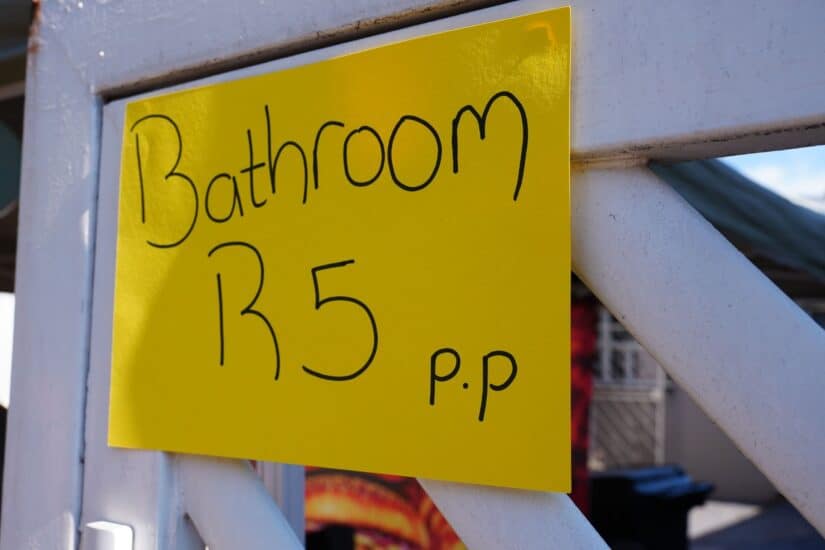
Some enterprising residents even charged R5 for access to their household toilets. And pee can be a lucrative enterprise when you have to do your business.
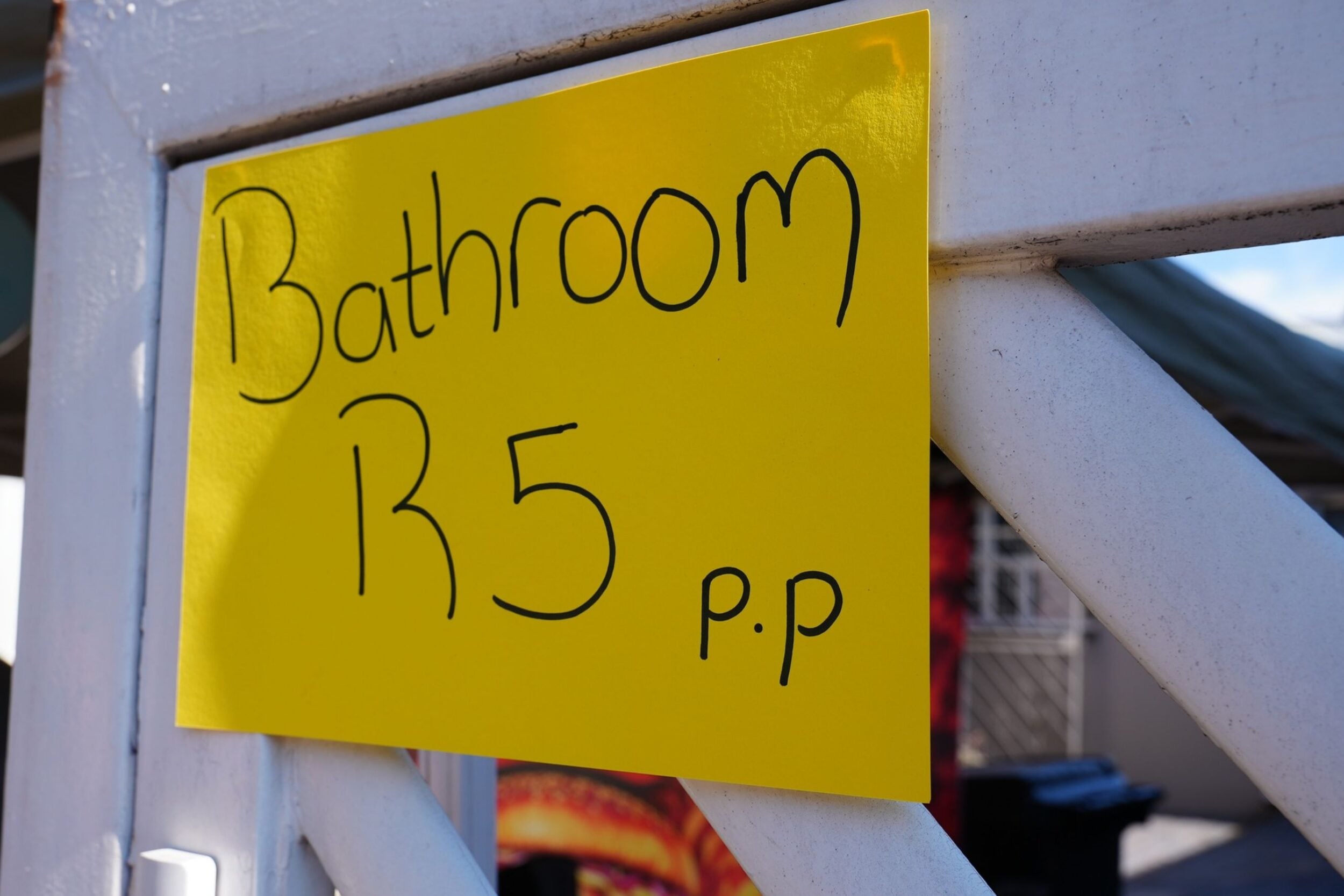
Others promoted products and multilevel marketing schemes, while estate agents distributed property flyers to captive audiences waiting to vote.
Voters, meanwhile, appeared prepared for the heat. Shorts, T-shirts and comfortable shoes were the preferred election-day uniform, with many looking more suitably dressed for an afternoon around the swimming pool or a family braai than for taking the future of their city into their hands.
But actually, it was a serious affair. Most voters interviewed said they were determined to exercise their democratic right, with frustration over service delivery and hopes for change driving their decision to participate.
Watch: Voters seek change
Shopping centres, however, told another story. Stores were busy with people stocking up on snacks, cool drinks and braai supplies.
The queues at the tills in some stores rivalled those of the voting stations. Anecdotal side-eyes at shoppers suggested that many had already voted.
The number of parents bringing young children along to experience democracy firsthand – unless, of course, it was just a case of no babysitter availablev- was somewhat inspiring.
At one voting station, the presiding officer allowed children to accompany their parents into the voting booth and watch them make their mark.
It was a small gesture with, perhaps, imagined significance.
Children got to witness the democratic process rather than simply hearing about it afterwards.
And, perhaps, that was what mattered most when, after 30 years – as one voter put it – the promises were just as big as the potholes the previous council left behind.