



It's a simple process, getting it wrong can result in not being allowed to vote.
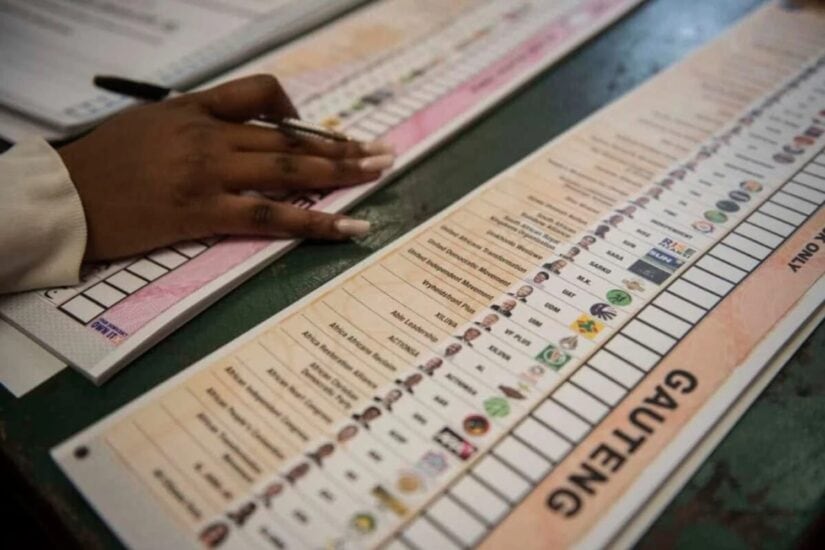


Have registered. Will queue. Then vote. Two ballot papers, sometimes three, a valid identity document and the correct voting station.
It’s the simple recipe which the army of voters heading to the polls on Wednesday will heed.
It sounds straightforward, but getting it wrong could mean not being able to vote. And with the election taking place on a public holiday, voters should make sure they arrive prepared.

LIVE interactive map, latest news, multimedia and more!
View MapVeteran DA councillor Simon Lapping said voters must familiarise themselves with the process before election day.
Incorrect registration details, unacceptable identification and confusion over ballot papers could cause unnecessary complications.
“The first step is confirming where you are registered,” he said. “Unlike national elections, voters must cast their local government ballots at their designated voting stations and you’ve got to be registered to vote at that specific polling station.”
Voters can check their registration and voting station on the Electoral Commission of South Africa’s website using their identity numbers. They can also send their identity number to the IEC’s WhatsApp number, 0600-88-0000, or SMS 32810. Voters will receive their voting station details and a voters’ roll sequence number, which could help officials locate their names more quickly.
What identification do you need to vote?
Voters must present a green barcoded identity book, smart identity card or valid temporary identity certificate issued by Home Affairs. Driver’s licences and passports are not accepted.
Lapping advised voters to wear comfortable shoes and prepare for queues. Voting stations are scheduled to open at 7am and close at 9pm. Voters should also allow enough time to complete the process, particularly during busy periods.
Why some voters receive three ballots
Metropolitan voters receive two ballot papers, while those living outside metros generally receive three. The first elects a ward councillor, with the candidate receiving the most votes winning the seat. The second determines proportional representation in the municipal council, allowing parties to secure seats according to their share of the vote.
Lapping said this allows smaller parties to gain representation without winning individual wards.
A party receiving 10% of the vote, for example, could qualify for council seats despite failing to win a ward.
Voters in municipalities forming part of a district municipality receive an additional ballot for district representation. District municipalities perform functions across several local municipalities.
What happens when something goes wrong on the day?
Voters experiencing problems should approach the presiding officer at the polling station, who is responsible for dealing with disputes and administrative difficulties.
These could include challenges like a voter’s name missing from the voters’ roll despite confirmation of registration.
Lapping said voters could also approach accredited political party agents, who can escalate unresolved concerns through their organisations. However, interactions with party agents must follow electoral rules.
“If they talk to a party agent regarding a situation, it has to take place outside of the polling station,” he said.
“Voters can’t make a scene inside the polling station. They’ll be evicted.”
Party agents are identifiable through Electoral Commission accreditation and cannot wear political party branding inside voting stations. Voters may approach an agent from any party, regardless of whom they intend supporting.
Who qualifies for assistance while voting?
Elderly voters, people with mobility difficulties and parents with very young children may receive preferential assistance to reduce time in the queue. Election officials will be available to identify people requiring assistance and help them through the process.
Special arrangements also accommodate voters unable to mark their ballots independently, including people with cerebral palsy or visual impairments. Lapping said voters must still be able to indicate their preferred candidate or party. Assistance with marking ballots must follow Electoral Commission procedures to protect the secrecy and integrity of the vote.
Voters with disabilities may choose someone to assist them, subject to IEC requirements. Alternatively, the presiding officer can assist, with observers and party agents present.
Check your ballot before voting
Lapping urged voters to inspect their ballot papers before marking them, particularly to ensure they carry the required official Electoral Commission stamp.
Voters should make a clear cross next to their preferred candidate or political party.
Anyone making a mistake can request a replacement ballot before placing the incorrectly marked paper into the ballot box.
Voters should inform election officials immediately and not attempt to correct it themselves. Once a ballot has been deposited, it cannot be retrieved.
Voters must fold ballot papers before depositing them.