Ramaphosa said South African 'owe the fallen police officers a safer country.'
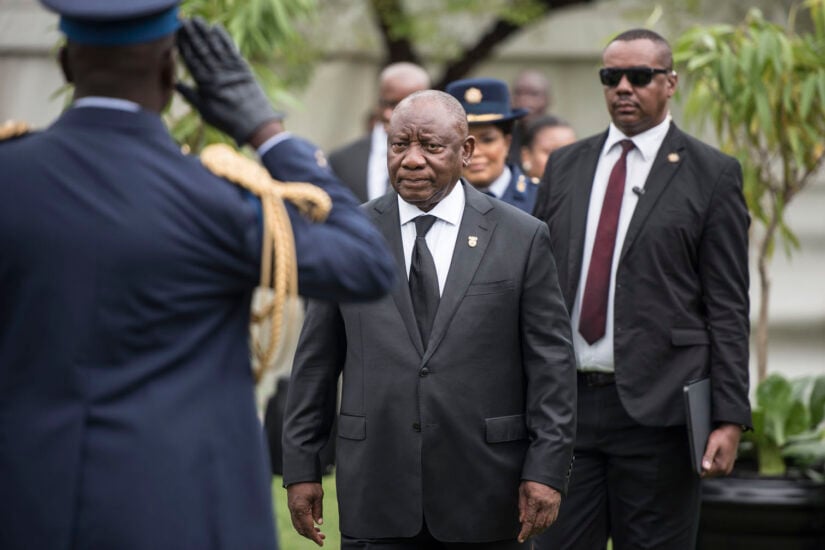
President Cyril Ramaphosa attends the annual South African Police Service (SAPS) Commemoration Day at the SAPS Memorial Site at Union Buildings, 6 September 2026, in Pretoria, South Africa. This year’s commemoration pays tribute to 12 SAPS members who lost their lives in the line of duty during the 12-month period from 01 April 2025 to 31 March 2026. Picture: Michel Bega/The Citizen


“A nation reveals its character not only in how it remembers those who serve it, but in what it does to protect those who serve.”
With this warning, President Cyril Ramaphosa opened National Commemoration Day at the Union Buildings on Sunday, 12 September 2026, honouring 12 South African Police Service (SAPS) officers who lost their lives in the line of duty during the past financial year.
Families changed
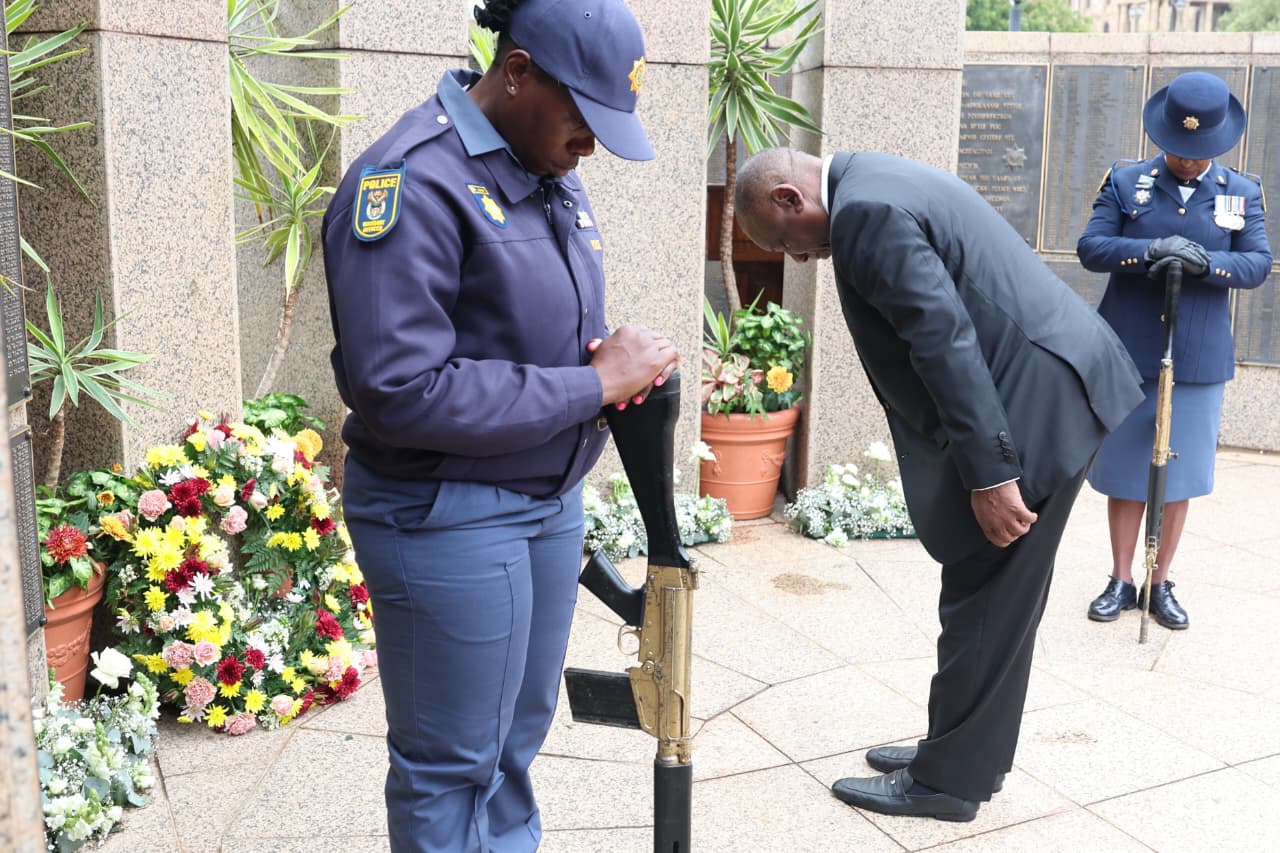
Standing before the Roll of Honour, Ramaphosa declared that South Africa gathers in grief and resolve, remembering officers not as statistics but as “sons and daughters, mothers and fathers, colleagues and friends, who went to work to protect their fellow South Africans and never returned home.”
Nine of the fallen were from Gauteng, with one each from North West, KwaZulu-Natal (KZN) and Mpumalanga.
Among them was the only woman on this year’s Roll of Honour – a mother of three from Temba Police Station.
Ramaphosa described the devastating family stories: a wife pregnant when her husband was killed, another family left with seven‑month‑old twins, and seven devoted husbands and fathers of young children.
“Behind every police killing is a family story that has been permanently rewritten,” he said.
A difficult question
Ramaphosa challenged South Africans to reflect
“We must confront a difficult question: what kind of society kills those entrusted to protect it? And what must we do to change it?”
He warned that attacks on police officers are not just assaults on individuals but on the “integrity of the State, the rule of law and the constitutional order.”
Police safety action plan
The President noted that police killings have declined in recent years, reflecting operational interventions and community partnerships. Yet he stressed: “Even one life lost is one too many.”
He announced the Saps Police Safety Action Plan – “Think First – Act Safe: Every Call, Every Time” – structured around governance, proactive and reactive interventions, infrastructure safety, redress and support.
But he insisted that policing alone cannot solve the crisis
“The fight against crime must become a project of responsible citizenship: respecting the law, rejecting corruption, reporting criminality and teaching our children that respect for human life is the foundation of a stable democracy.”
Support for families
Ramaphosa appealed to corporate South Africa to support the SAPSET Education Trust, which has assisted 2,215 children of fallen officers since 2010.
“Give these children the foundation to transform the experience of loss into opportunity,” he urged.
WATCH | President Cyril Ramaphosa honours the fallen SAPS officers, including a mother of three from Temba Police Station, the only woman on this year’s Roll of Honour. pic.twitter.com/mhOEeyzjBV
– SABC News (@SABCNews) September 6, 2026
Renewal amid scrutiny
Acknowledging scrutiny of the Saps following the Judicial Commission of Inquiry, Ramaphosa said the institution must respond with professional conduct, measurable results and safer communities.
“At this moment, the Saps is operating under unprecedented public scrutiny. The revelations emerging from the Judicial Commission of Inquiry have raised legitimate questions about policing, leadership, accountability and institutional integrity. This must not result in paralysis. Instead, it must be a catalyst for renewal.
Ramaphosa said the best response to criticism is not denialism. It is professional conduct, measurable results and safer communities.
“We need to once again earn people’s trust, station by station, community by community. Let us use this moment to strengthen the institution, restore public confidence and reaffirm the social contract between the police and the people.”
Charge
Ramaphosa concluded with a call to action
“We owe the fallen a safer country. We owe their families sustained support and opportunity. We owe our police officers the systems, leadership, protection and resources necessary to keep them safe. And we owe future generations a country worth inheriting.”
Ramaphosa urged South Africans to honour the courage of the fallen by changing how they live, building a society where those who protect the people are themselves protected.