Correctional Services oversees more than 169 000 inmates in overcrowded prisons with a combined capacity of 107 054.
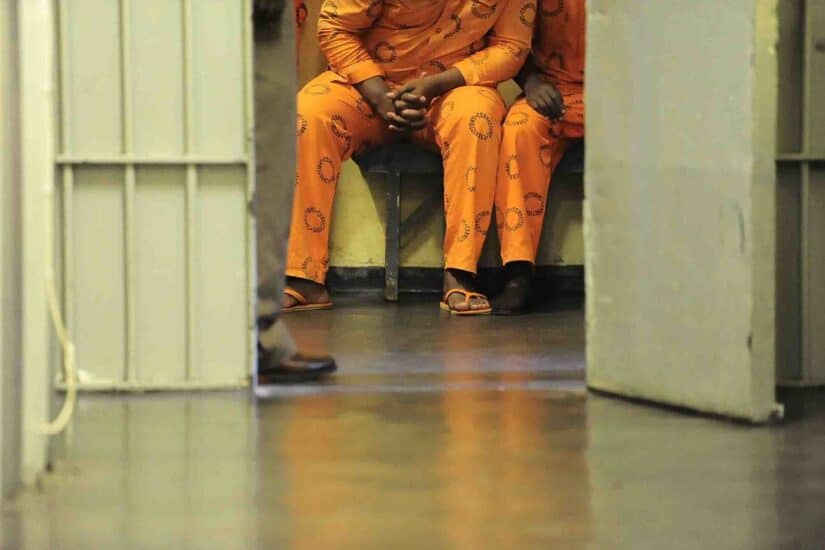
Inmates at the Kgosi II Mampuru Correctional Services on 1 December 2015 in Pretoria. Picture: Gallo Images / Sowetan /Thulani Mbele


Over 200 inmates have died under correctional services’ supervision in the first quarter of the 2026/27 financial year.
While natural deaths accounted for 157 instances, unnatural deaths among inmates spiked from 24 in the previous quarter to 44 between April and June.
Of the unnatural deaths, four were determined to be via suicide, one was attributed to a prison official, and 39 others are still under investigation.
At least 236 complaints were laid against the Department of Correctional Services (DCS) in those three months, with the department’s portfolio committee stressing the need to treat prisoners with respect.
“Safe incarceration, human dignity and effective rehabilitation are constitutional imperatives, not optional goals,” stated committee chairperson Kgomotso Ramolobeng.
‘Prevent further loss of life’
The committee questioned why the department’s figures on prison deaths differed from those the Judicial Inspectorate for Correctional Services (JICS) reported to it last week.
DCS explained that the JICS reported deaths before the causes had been sufficiently investigated.
“The difference between the unnatural death stats reported by the department and JICS is mainly attributable to the different stages at which the department and JICS record and confirm unnatural deaths,” DCS told The Citizen.
Of the 157 natural deaths, 81 were listed as “natural causes – other”, with the remainder being no more than two listed under 59 other different causes – with the exception of three renal failure cases.
The majority of the complaints against DCS came in the form of 52 inmate-on-inmate assaults, 37 official-on-inmate assaults, 16 sexual assaults and 14 health care-related complaints.
“Rigorous accountability will be demanded from the executive regarding parole board vacancies, budget overruns, facility security and concrete interventions to prevent further loss of life in correctional centres,” said Ramolobeng.
Over 90 000 on mental wellness programme
While the care of prisons was criticised by the committee, the department met its targets for mental health treatment in correctional facilities.
DCS’s presentation to the committee showed 15 510 inmates received psychological care services, 39 651 received spiritual care services and 35 781 received social work services.
The committee stated its concern about a projected R749 million over-expenditure, although the overspend was only 2.6% of the department’s R30.9 billion budget.
While food costs due to a 9% increase in incarceration was attributed for the budgetary overspend, a 9% increase in rehabilitation costs, 12% increase in social reintegration costs and 18% increase in care cost were also to blame.
“The more inmates are admitted into correctional facilities, the more the department will need to spend.
“We therefore want a proper financial recovery plan outlining how the department intends to mitigate this over-expenditure,” stated Ramolobeng.