
Can psychology and alternative therapies work together? This is how wellness can support mental health treatment and where its limits lie.
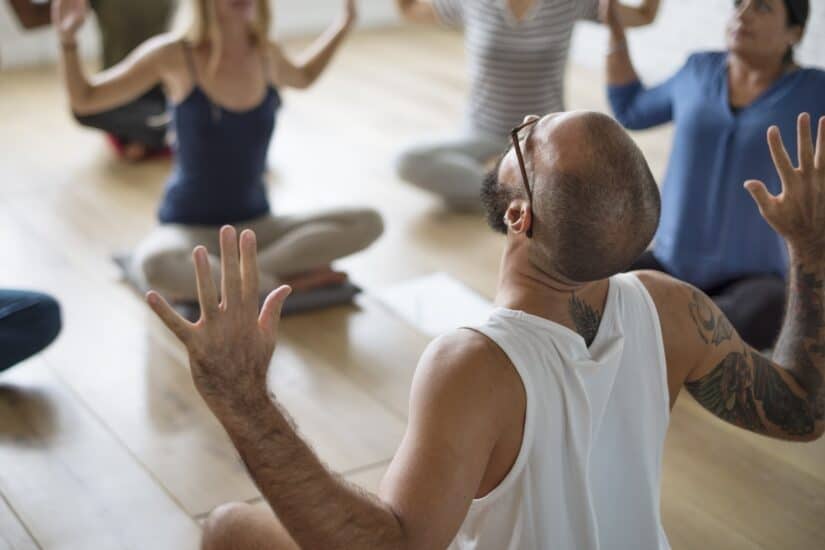
Alternative wellness therapies have their place in mental wellness. Picture: iStock


Cold plunges and breathwork might make you feel better. That’s what the label says, too. But when anxiety, trauma or mental health problems start overwhelming everyday life, alternative wellness treatments have their limits.
This is when, said practitioners from both sides of the fence, wellness therapies should complement professional mental health treatment rather than trying to replace it with promises that cannot be kept. It may also be irresponsible to do so.
Former international rugby player Rhys Thomas’ own recovery from a severe mental health and substance use crisis began with professional treatment. His rugby career ended following a heart attack at 29 and years of anxiety, alcohol abuse, and destructive behaviour that followed.
In 2019, after crashing his car while under the influence, Thomas entered a multidisciplinary programme at Netcare Akeso Stepping Stones’ Dual Diagnosis Unit for professional care.
But that’s not to say that other aspects of wellness treatment don’t have their place.
“We are all different and unique, and it’s important to be aware that there are many, many different types of therapies, including in the fields of psychology and somatic therapies, as well as supportive skills and techniques that can be helpful depending on where you are,” he said.
Supportive therapy efficacy depends on who you are
Thomas added that the sheer number of options can make navigating mental health support confusing.
“It can be helpful to share exactly what you are going through with a mental health professional, because with so many options available, you can get lost in the reeds.”
Talk therapy was significant in his recovery.
“In my experience, this was transformative. It gave me insight into why I behave the way I do. What in my childhood environment has led me to see the world through this lens? When you understand why you think and behave the way you do, it opens your eyes.”
Anne Mari Viviers of Heavenly Healing in Benoni said alternative practices can support emotional wellbeing and help people manage stress, but practitioners need to recognise when somebody sitting in front of them needs something they cannot provide.
“Wellness and mental health treatment should work alongside each other. They are not in competition,” she said.
Severe anxiety, ongoing depression, suicidal thoughts, extreme emotional distress or an inability to cope with everyday life, she said, signal the need for professional mental health support.
The caveat comes when support is sold as treatment and a cure-all for mental health. Viviers said personal experience or completing a course in a healing modality does not qualify a practitioner to treat every condition, and healers should never encourage somebody to stop medication or avoid professional care.
“There is a big difference between supporting somebody’s wellbeing and claiming that you can treat a serious mental health condition,” she said. “Being a healer doesn’t mean you have all the answers.”
Healers don’t have all the answers
Breathwork, meditation and other practices can sometimes surface difficult emotions, memories or physical sensations and leave an already vulnerable person more distressed.
Viviers warned against interpreting every intense reaction as evidence of trauma being released.
“Just because somebody has a powerful emotional experience doesn’t automatically mean that healing has taken place,” she said. “We should never encourage a person to push through distress just because we believe something is being released.”
To supplement his own healing process, Thomas later explored breathwork and cold-water immersion and said that value can be found across a broad spectrum of activities and therapies.
He also cited yoga, EMDR and something much simpler, like spending time with other people.
EMDR is Eye Movement Desensitisation and Reprocessing. (A form of psychotherapy used particularly in treating post-traumatic stress disorder (PTSD) and trauma-related symptoms).
“There are also other ways of finding connection with a group, such as sports clubs or through hobbies or shared interests, that can offer some form of mental wellbeing support simply through providing a sense of community and a place to feel seen and heard,” he said.
“When we disconnect from ourselves, in our darkest hours we have a tendency to isolate. Once we find a space to feel connected, we realise we are all going through struggles in some form, and we find we aren’t so alone,” he said.