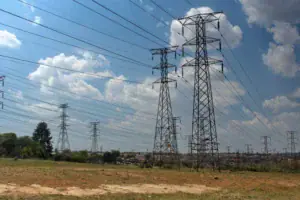
Three areas contribute most to winter energy costs

Picture: iStock


As temperatures begin to drop, many households will be preparing themselves for the higher electricity bills that winter is known for. Couple this seasonal inevitability with constantly rising electricity prices, and the monthly bills begin to bite more than any winter chill.
But it’s not just about general electricity usage going up at this time of the year. Instead, a few key areas are responsible for the biggest share of these increased costs.
Dual electricity increase
Even before the cold temperatures began defining family routines, households began to feel the effects of Eskom’s 8.76% increase implemented from 1 April.
Just three months after Eskom’s increase, municipalities will be upping their own tariffs on 1 July. While the National Energy Regulator has yet to publish its decisions for all regions, early indications point to increases between 7% and 13%, depending on which municipality supplies your electricity.
These tariff increases and elevated usage pose a one-two punch to household budgets, but solutions can be implemented before the next bill arrives if homeowners act soon enough.
Standard Bank’s home efficiency platform LookSee has for several years been assisting homeowners in finding ways to save on their electricity bills, regardless of the weather.
“Many households focus on reducing usage by cutting back on comfort but this approach is often difficult to sustain and does not always address the biggest cost drivers,” stated LookSee Head Marc du Plessis.
“While higher electricity bills are often seen as unavoidable during winter, the reality is that a large portion of the increase is driven by a small number of energy-intensive appliances and seasonal behaviour changes,” advised Du Plessis.
Drivers of home electricity usage
Not every part of a home consumes electricity equally, with three areas contributing most to winter energy costs: heating, geysers and increased appliance use.
Notably, much of the electricity you’re spending on heating could actually be going to waste. This is because South African homes typically fail to maintain their warmth because of drafts around doors and windows, poor insulation, bare floors and uncovered windows.
Low-cost methods to plugging these gaps include ensuring adequate seals around doors and windows, using thicker curtains and adding rugs or carpets to insulate rooms.
“Reducing heat loss can help lower the need for continuous heating, making homes more comfortable without increasing electricity usage.
“The more heat a home loses, the more electricity is required to replace it – increasing the need for heaters and other energy-intensive appliances to run for longer periods,” said Du Plessis.
However, the geyser remains the largest sapper of energy, accounting for over 40% of a home’s electricity bill, with that increasing in winter.
“It’s easier to put it down to taking longer, hotter showers. But the reality is that’s only half of the story. Your geyser is also dealing with having to heat much colder water and then trying to retain that heat at the desired temperature.
“It’s like your kettle – the water takes longer to boil in winter and then cools down rapidly. It all translates to more electricity usage to achieve the same results you were getting in summer,” Du Plessis explained.
Leaving a geyser on all day to maintain temperature is a costly practise. Switching off your geyser, or investing in a timer, can assist with managing some of the burden, but not all of it.
However, changing how your geyser is powered can have a more meaningful impact.
Traditionally, solar geysers in South Africa have relied on separate systems with rooftop tank and evacuated tubes or flat plate collectors.
Newer approaches work differently. Instead of replacing your geyser, solar panels can be used to help power the one you already have, reducing reliance on grid electricity without requiring major changes to your home.
LookSee data indicates that households using this low-cost conversion approach can save around R600 per month on average, depending on usage.
LookSee’s smart solutions
Addressing these issues can make a significant dent in your bills, with the journey to this optimised home energy efficiency beginning with LookSee.
To augment these basic home behaviours, LookSee’s online Smart Save Journey gives homeowners a technological edge and a tailored roadmap to current electricity usage and future savings potential.
“This simple journey analyses the details of your home and electricity usage to help you understand how energy efficient your household is. From there you can decide to explore articles for more insights or home solutions to address problem areas.
“This makes it easier to prioritise the right changes – whether that’s improving efficiency, optimising high-consumption areas like geysers, or exploring options like solar in a way that suits your home and budget,” said Du Plessis.
Try LookSee’s Smart Save Journey to see how much you could save on your electricity bill.