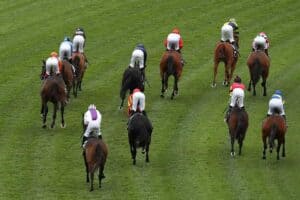
Mauritius' pulse is where stakes are high, the Champ de Mars.
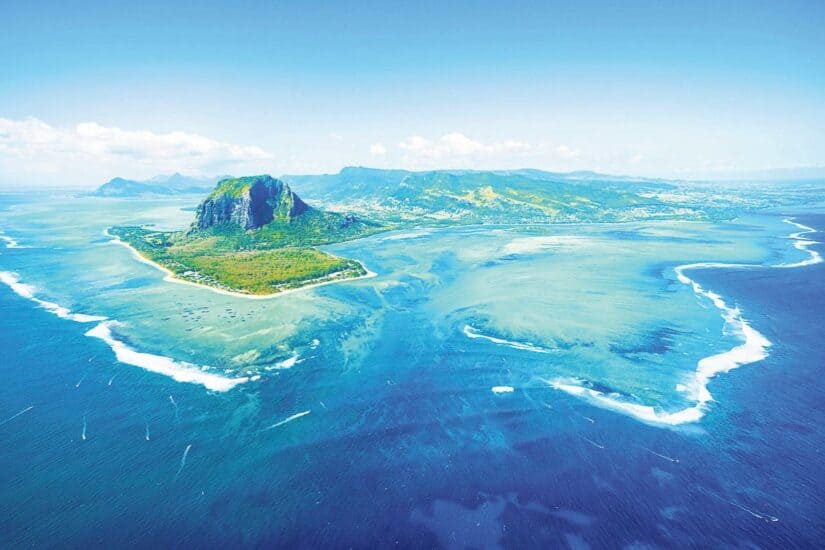
ON TRACK. Mauritius is not only famous for its Le Morne Brabant mountain, beautiful blue lagoon and underwater waterfall, it has another gem, horseracing. Pictures: Supplied/ iStock


Beyond the turquoise lagoons, luxury resorts and postcard-perfect sunsets, Mauritius has another obsession racing through its veins. Horse racing.
For years, the island has sold itself as a tropical paradise, a place where travellers arrive in search of beaches, cocktails and endless blue skies. But during my first visit to Mauritius, hosted by the Mauritius Tourism Authority, I quickly discovered the island’s heartbeat is found somewhere unexpected: at the island’s historic capital, Port Louis.
As our tour guide from the tourism authority explained to the group, horse racing is not just a sport in Mauritius. It is tradition, entertainment, social life and cultural identity rolled into one thrilling afternoon. And honestly, nothing prepared me for just how deeply the island loves it.
The moment you arrive at the racecourse, the atmosphere shifts. The city’s tropical calm suddenly gives way to electricity.
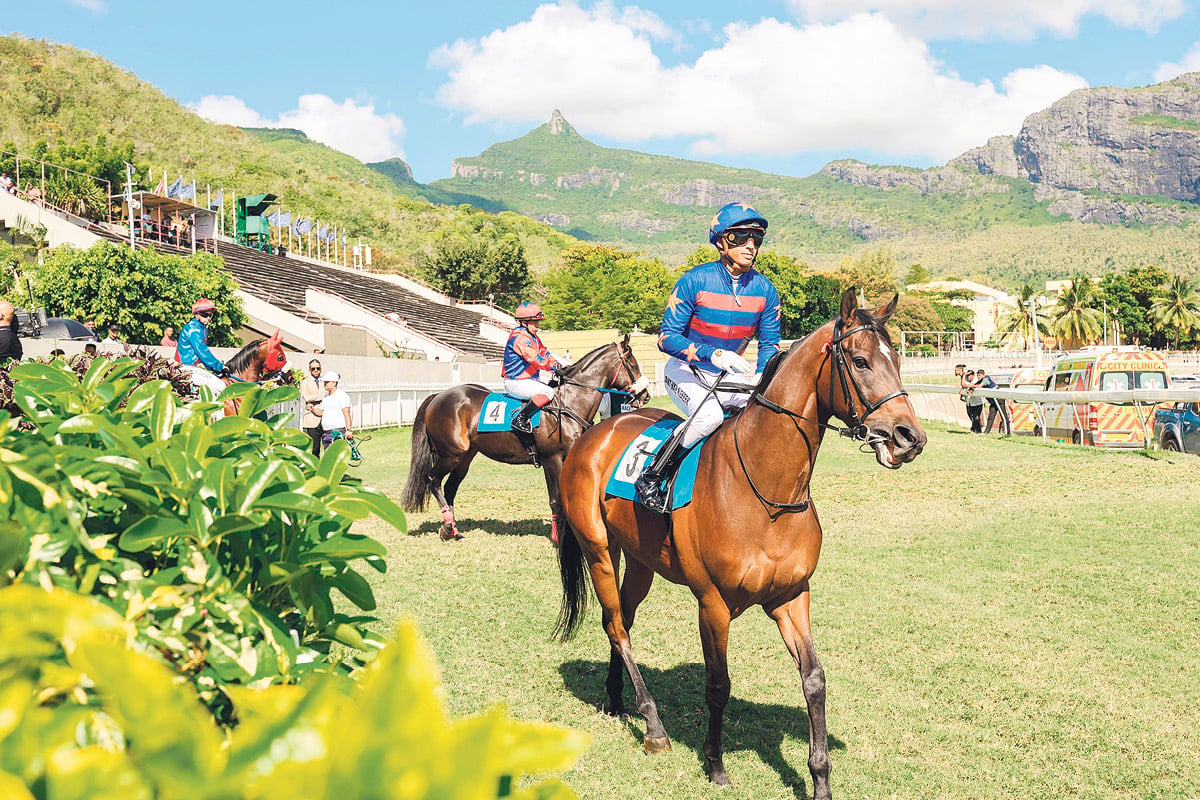
“Who are you betting on?” This is the common question as people queue at the racecourse placed ideally in the city’s centre.
I decide to ask a local to put down a bet on my behalf, and perhaps get some extra shopping money while I’m here.
With thousands betting, the winnings are likely to be high.
Crowds stream through the gates in waves, dressed for fashion and function.
Men study betting slips with serious concentration as women arrive elegantly dressed for the occasion, children excitedly weaving through the crowds beside them.
Everyone, regardless of age or background, seems united by the same mission – backing the winning horse. It feels like Mauritius’ answer to South Africa’s, except here the focus leans less on celebrity spectacle and more on the sport itself. The racing takes centre stage.
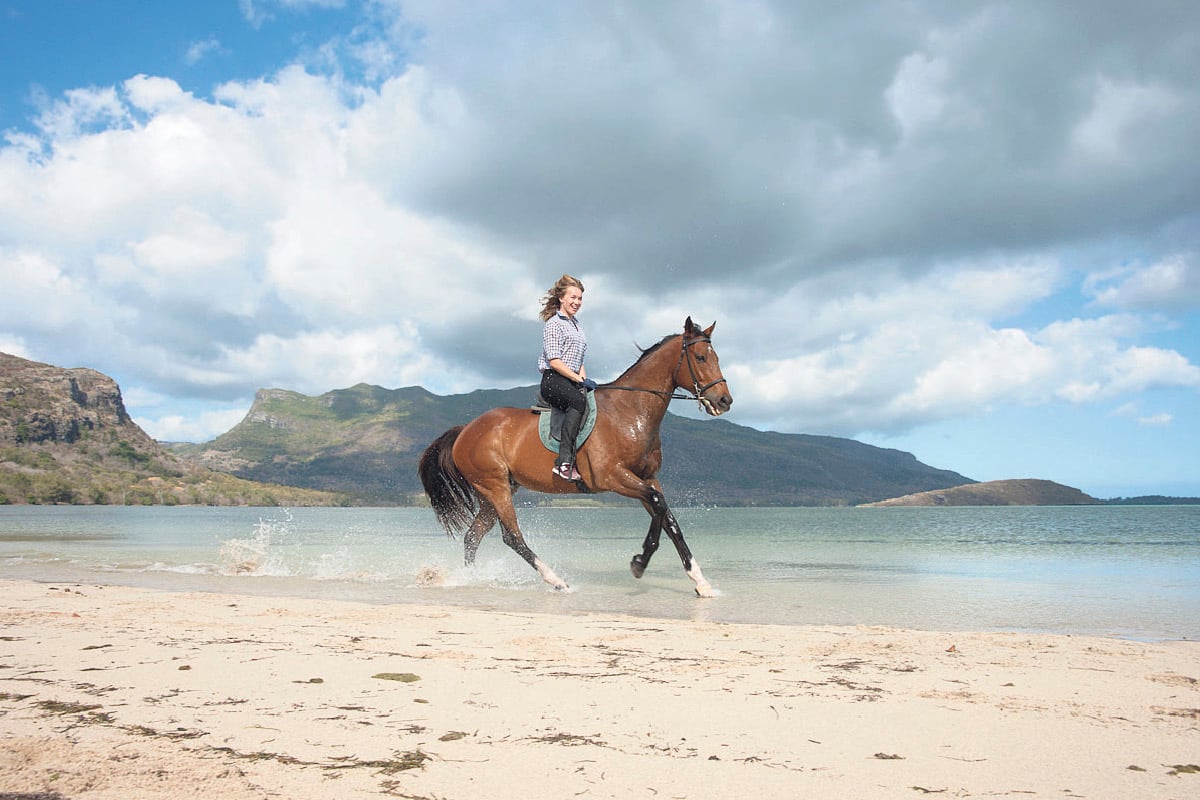
Being hosted in one of the VIP boxes offered a completely different perspective into the culture surrounding the races.
The suites overlook the track with an old-world charm that instantly transports you into another era.
Decorated in a distinctly 1950s colonial style, the interiors have been preserved beautifully, carrying the elegance of Mauritius’ layered history.
Polished wood finishes, vintage decor and heritage architecture create the feeling of stepping onto the set of a classic film.
You half expect someone in a linen suit to walk in carrying a cigar and newspaper from decades ago. The venue itself embraces its history.
Opened in 1812, the Champ de Mars Racecourse is the oldest racecourse in the southern hemisphere and one of the oldest in the world. Nestled at the foot of lush green mountains in Port Louis, the grounds hold more than two centuries of stories.
Even Mauritius’ independence celebrations were hosted there, giving the racecourse a significance that stretches far beyond sport.
Yet despite all that history, race day feels alive and intensely current.
Inside the VIP suites, local snacks arrive in generous portions while conversations rise and fall with every race announcement.
Plates of Mauritian delicacies circulate between guests as bettors debate odds and compare predictions.
It is sophisticated without feeling stiff. There is warmth in the experience, a relaxed island hospitality that keeps everything approachable even in the more exclusive sections.
Outside, the energy intensifies with every passing minute.
Queues build rapidly at the betting stations. Punters clutch tickets tightly, some whispering last-minute advice to friends while others stare nervously toward the track.
The tension becomes almost contagious. Even as a first-time visitor with little knowledge of racing, I found myself becoming emotionally invested in minutes.
Then comes the sound. An alarm rings across the venue, signalling the race is moments away. Conversations suddenly stop. Heads turn toward the track.
Somewhere above the grandstands, a man standing high on the roof begins ringing a large bell, its echo cutting through the humid Port Louis air. And just like that, the race begins.
The horses explode forward to roaring applause as thousands erupt into screams, cheers, and desperate prayers for victory.
For a few thrilling minutes, nothing else matters. The island’s usual laid-back rhythm disappears beneath pure adrenaline.
What makes the experience even more fascinating is how personal the sport feels here.
Many of the jockeys are local celebrities in their own right, passionately supported by devoted fans who know every stable, every horse, and every statistic. The crowd reacts to them with the kind of loyalty usually reserved for football stars.
The connection between Mauritians and racing runs generations deep. Families attend together. Stories are passed down through race meetings. Betting rituals are inherited.
Race day is not simply an event on the calendar; it is part of the island’s social fabric.
For travellers, that is exactly what makes it so memorable.
Mauritius has long mastered the art of luxury tourism, but experiences like this reveal something richer beneath the surface.
The beaches may lure visitors in, but places like Champ de Mars allow you to truly understand the soul of the island.
Because beyond the resorts and ocean views lies a Mauritius filled with heritage, excitement and tradition. A Mauritius where old colonial architecture meets roaring crowds.
Where betting slips and bells create theatre under the tropical sun. And perhaps most unexpectedly of all, a Mauritius where the racetrack tells one of the island’s greatest stories.
So did the horse I placed a bet on win? Of course not I had no clue what I was doing but will next time.
Info
- The Champ de Mars Racecourse is a thoroughbred horse racing track in Port Louis, Mauritius, inaugurated on 25 June 1812.
- It is the oldest racecourse in the Southern Hemisphere and one of the oldest in the world.
- The sport is extremely popular, with local jockeys often treated like celebrities.