


CEO Sam Ngumeni acknowledged that 2026 was a tough year for Woolworths
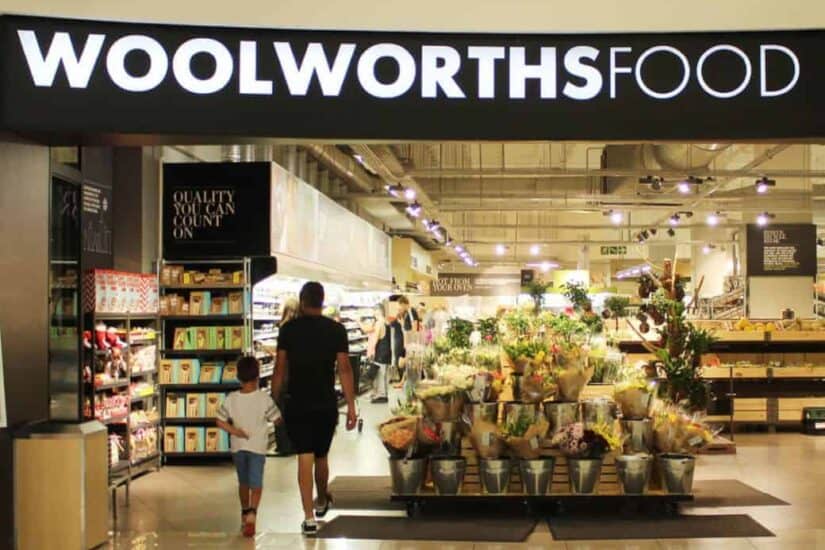
Woolworths Group CEO says the retailer’s 2026 financial year was difficult. Picture: Bedford Centre website


Woolworths is putting its premium food division at the centre of its future growth strategy as the retailer looks to build on what it sees as its strongest competitive advantage.
Group CEO Sam Ngumeni on Wednesday said Woolies Food will drive brand value and growth, with selected complementary categories added to strengthen its offering and encourage customers to spend more of their shopping basket within the Woolworths ecosystem.
Woolworths’ food division has been the star of the group for some time now, and 2026 was no different. The premium retailer released its 2026 financial results on Wednesday, revealing the food division has once again delivered “above-market performance”.
Tough year for Woolworths
Woolworths Group operates through two major operating divisions: Woolworths South Africa and the Country Road Group, alongside a financial services partnership. The food, clothing, beauty and home departments fall under the South Africa division.
Ngumeni acknowledged that 2026 was a tough year for the retailer, and while results showed resilience, Woolworths is not where the executive wants it to be.
“This was a tough year across our markets, with heightened economic pressure and weaker consumer demand,” he said.
“While our results reflect the resilience of our portfolio and the strength of Woolworths Food, it is not where we want to be. We are clear on the opportunities and the actions required to unlock greater value, and we are moving decisively to improve performance across the group. We have already made progress, and that stands us in good stead for the year ahead.”
Woolworths food shines
Most of the retailer’s divisions have struggled, except for food; therefore, it is no surprise that Woolworths is putting the division at the centre of its strategy. Ngumeni, appointed to lead the group from 1 June 2026, was also CEO of the food division.
He said the food division’s performance reinforces its position as the country’s most trusted grocery retailer and the group’s primary engine of value creation.
“Turnover and concession sales grew by 5.7% for the year, with growth of 3.7% on a comparable-store basis, supported by the quality and innovation of the offering and a continued focus on an elevated in-store customer experience. Price movement averaged 4.7% for the period, and 3.9% excluding meat.
“On-demand delivery achieved revenue growth of 19.6% for the period, with online sales now contributing 7.3% of SA Food sales.”
Group performance
According to the results, group turnover and concession sales increased by 4.3% to R84.5 billion, and by 4.8% on a constant currency basis, with every segment recording positive sales performance for the full year.
“Following a good first half, the war in the Middle East drove higher fuel prices and inflation, weighing on consumer confidence and demand while adding to operating costs. The resumption of interest rate increases in both South Africa and Australia further constrained household spending, with consumers placing greater emphasis on promotions and essential purchases,” said Ngumeni.
“The group responded with a sharpened focus on working capital, cash generation and cost control across every business, and with a broader reset, all demonstrating progress in the positioning and reset of Woolworths on its journey to a brilliant future.”
Performance in SA
For Woolworths SA, turnover and concession sales grew by 5.4% for the full year and by 4.1% in the second half, with particular weakness in the fourth quarter reflecting a strong comparative base, softer consumer demand, and disruptions to trade.
This impact was more pronounced in fashion, beauty and home. “In fashion, beauty and home, turnover and concession sales increased by 4.4% for the period, with comparable store sales up 4%,” said Ngumeni.
“Trading momentum accelerated through the first half before the war in the Middle East had a pronounced impact on demand, particularly in the fourth quarter, slowing second-half growth to 2.6%. Prices averaged 2.4% over the period, with fashion inflation at 0.9%.”
The future
Ngumeni said the future remains uncertain, especially due to the Middle East, however, the plan for the group is to position its food division in the centre.
“Looking ahead, the situation in the Middle East remains unpredictable. While fuel prices and inflation appear to have moderated from peak levels, consumer confidence and spending are expected to stay under pressure across both geographies for the foreseeable future,” he said.
“The group is positioning Woolworths for a brilliant future. This means reorienting around its market-leading premium food business – its strongest competitive advantage and primary engine of both brand equity and value creation. Carefully selected adjacent categories will strengthen the customer proposition and the group’s own ecosystem.”



