
While these terms might sound like throwaway internet jokes, or even foreign, they serve a much deeper purpose in our daily connections.
Picture: iStock


No, hearing the president of South Africa drop ‘clock it’ while pinching two fingers in its signature gesture wasn’t a fever dream. It’s officially how Mzansi speaks, and these are our top slang words for 2026.
The lingo taking over Mzansi
The most searched slang words, according to word unscrambling experts at Unscramblerer.com, analysed Google Trends data from 1 January to 25 August 2026 to track what we are secretly Googling.
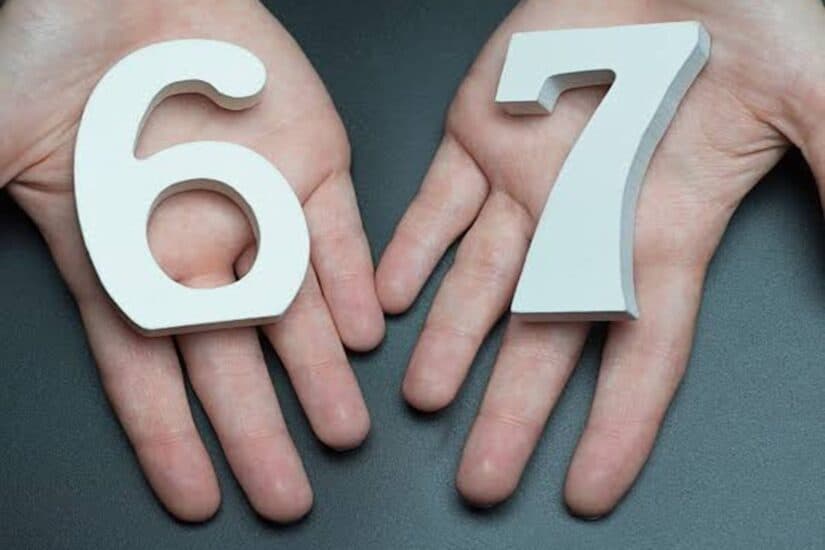
Leading the pack is 67. This absolute king of “brainrot” humour carries no literal meaning – its total absurdity is the entire point. Originating from Skrilla’s song Doot Doot (6 7) and fueled by a viral video, teens now chant it while pulling exaggerated hand gestures.
Trailing behind but still dominant is “cap, capping, and no cap”. When someone says “cap,” they mean a lie or an exaggeration, while “no cap” promises they are telling the absolute, unvarnished truth.
Close on its heels is “simp”, describing someone who shows excessive, unbalanced devotion in a relationship where their partner does all the taking.
Your cool factor is now measurable thanks to “aura”, “aura points”, and “aura farming”, which clocked in as the 4th most searched. This shows your actions are smooth or cringe, and that you’re doing something purely to look effortlessly cool.
The rest include “sigma”, “mogging/mogged/mog”, “gooning”, “big back”, “clock it”, and, in tenth most searched, “rage bait”.
“Glazing”, “chopped”, “crash out”, “larping”, “bussin”, “cuh”, “maxxing”, “mandem”, and “oomf” are at the bottom.
The least searched was “bird”, a word rising in popularity – especially after the hit South African drama series The Polygamist. It describes someone acting foolishly in love, like taking back a cheating ex throughout a 20-year marriage (Joyce, we see you).
What your province is searching
Regional search trends show that every corner of South Africa has its own linguistic obsession.
Gauteng is most interested in “mogging”, while the Western Cape and Mpumalanga are focused on “aura”. KwaZulu-Natal wants to “clock it”, Limpopo is into “larping”, and the Eastern Cape is searching for “simp”. Free State is curious about “rage bait”, North West is looking up “capping”, and the Northern Cape is all about “67”.
No cap, just culture
While these terms might sound like throwaway internet jokes, or even foreign, they serve a much deeper purpose in our daily connections.
Randoh Sallihall, spokesperson for Word Unscramble (Unscramblerer.com), said, “Using slang is a social signal.”
“What people search for can tell us something about what they are trying to understand and participate in culturally.”
Research highlighted by the American Psychological Association, including the work of psychologist Ryan Boyd, shows that our language choices can signal who we are, whom we identify with, and how we relate to others.
“Today new slang terms can spread like wildfire around the world thanks to big online communities on social media like TikTok, Instagram, gaming chats, streaming and so on,” Sallihall noted.
“The popularity of trending slang words can change quickly, but the psychological need behind them stays the same.”
“People want to understand one another and belong.”
So next time your friend accuses you of “aura farming,” do not crash out. Just clock it, embrace the lingo, and keep your cool points intact!