
As The Makhenes closes out a buzzy first season, Letoya Makhene reflects on 13 weeks of raw family drama, therapy sessions and public scrutiny.
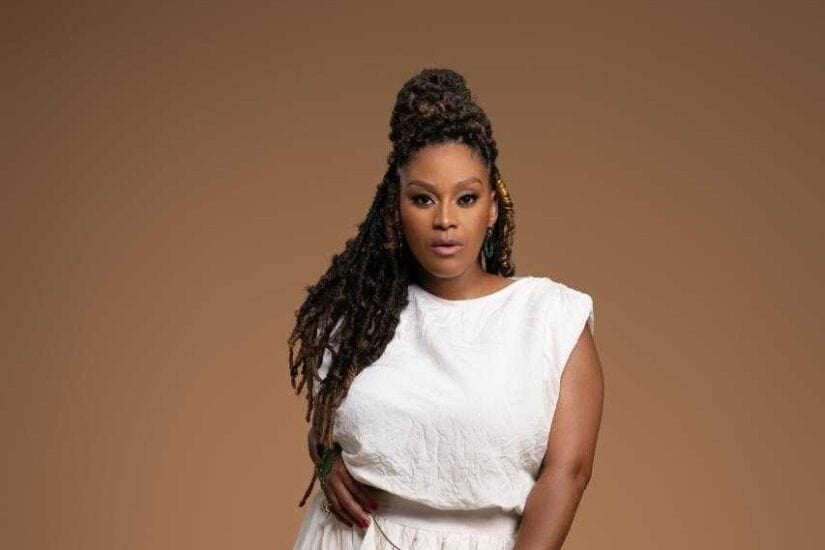
‘I’m leaving this experience stronger’: Letoya Makhene on The Makhenes season 1 finale. Picture: Supplied, Mzansi Magic


The Makhenes wrapped its first season on Mzansi Magic this past Sunday, bringing to a close 13 weeks of television that had South Africans talking.
Since premiering in April, the reality series has followed three generations of the Makhene family, unpacking a legacy that spans more than five decades in South African arts and entertainment.
At the centre of it all is actress, musician and spiritual healer Letoya Makhene, who invited cameras into her life as she navigated motherhood, life in the public eye and a deeply personal journey of healing.
Viewers also got to know her father, veteran musician and activist Blondie Makhene; her grandmother, Ouma Lily; and her sisters Pauline and Gontse, whose individual storylines brought unresolved family tensions, personal struggles and moments of growth into sharp focus.
A season that struck a nerve
Since its April premiere, The Makhenes has become one of South Africa’s most talked-about reality shows, offering viewers an intimate look into one of the country’s most recognisable families and tackling everything from love and betrayal to mental health, addiction and healing.
Much of the online conversation has centred on Letoya herself as her former romantic partners made explosive claims of their own about their experiences with her shortly after the early episodes aired.
Her sisters’ storylines have proved equally compelling: Pauline Makhene’s journey with mental health, trauma and emotional healing, and younger sister Gontse Makhene’s battle with addiction, have both been highlighted as major talking points, alongside the impact these struggles have had on the wider family.
Letoya’s eldest child, Nubia Mangezi, also became a standout figure this season.
Her relationship with her mother took centre stage, and Nubia impressed audiences with her honesty, emotional intelligence and willingness to have difficult conversations on camera.
Viewers of The Makhenes were particularly drawn to her ability to communicate openly with older family members, even during emotionally charged moments. Speaking to viewers on her TikTok account while the show was airing, she credited this ability to years of personal growth.
TV Mzansi reports that Nubia has said she was surprised by the reaction from older viewers in particular, having expected them to view her as disrespectful, regardless of her intentions.
Letoya on the finale, therapy and what’s next
In a recent Q&A with Mzansi Magic, Letoya reflected on the journey, the public response and the closing episode.
“The show has touched so many people, and I’ve received countless messages from viewers who see themselves and their own families in our story. Knowing that our journey has resonated with others has been really special,” she said.
Asked which scenes from The Makhenes were hardest to revisit, Letoya pointed to a therapy session filmed with her children.
“Watching the scene where my children and I were in therapy was incredibly difficult. It was an emotional moment for all of us. We were fully present, and what viewers saw was completely authentic,” she said.
On the scrutiny that comes with putting her family’s story on television, including other people giving their own interviews about her, Letoya said she has made her peace with it.
“People will always have something to say, whether it’s good or bad,” she said.
Asked what she would tell her younger self, she offered a reflective, boundary-focused answer: “I would tell her to change her heart, even if it’s just a little. Not everyone has your heart, so don’t trust or love the world with all of it. Leave some love for yourself. Be comfortable with your boundaries and allow there to be consequences when the people you love cross them.”
She added: “Above all, never sacrifice yourself for love. Love yourself and love God. That is where you will find that you are whole.”
Family bonds, tested and strengthened
Letoya said the filming process pushed her immediate family to confront issues they might otherwise have avoided.
“Filming created a space for us to have uncomfortable conversations and decide whether we wanted to choose each other or walk away.”
“Thankfully, our love was stronger. As for the rest, they have always been who they are. The only difference now is that the world gets to see it too.”
She admitted she hadn’t anticipated quite how many viewers would see their own lives mirrored in the Makhenes’ story.
“So many viewers have reached out to say they saw themselves, their families or their own struggles reflected in our journey. That has been both humbling and healing.”
Asked what she hopes audiences take away from the series, Letoya said: “I hope people walk away knowing that healing is possible, even when it feels uncomfortable. Families are not perfect, but honest conversations can be the beginning of real change.”
“There were many moments that made me feel vulnerable, but I knew that if I was going to do this, I had to be completely honest,” she said. “There was no point in telling the story if I was going to hide behind a version of myself that wasn’t real.”
On a closing note, she said the experience of filming The Makhenes reminded her of the importance of choosing herself.
“I’ve learnt that healing requires honesty, boundaries and grace. I’m leaving this experience stronger than I was when it began.”
As for what she’s proudest of as the first season closes, Letoya kept it simple: “I’m most proud that I showed up as my authentic self. I didn’t pretend to have all the answers or try to be perfect. I shared my truth, and if that helped even one person feel less alone, then it was worth it.”