
From granny panties to seamless designs, this is how science, fashion and changing expectations are transforming modern underwear.
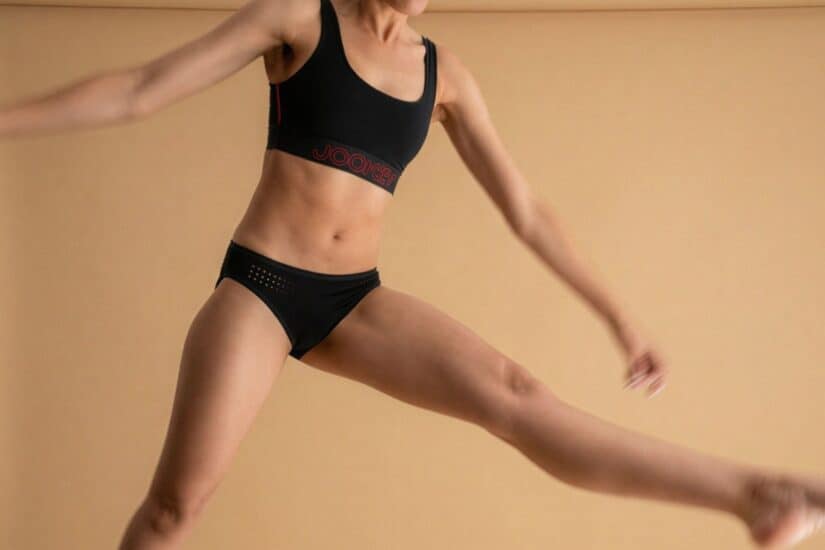
Underwear now doubles as outerwear, too. Picture Hein Kaiser


Undies have come a long way since granny panties and long johns were the staple in the closet. These days, putting these teeny garments together has become as much of a science as sexy.
This, said Jockey marketing manager Nombuso Ncapai, is because undies now need to stretch, breathe, support and stay in place.
Importantly too, she said, is that people need to forget that they are wearing it; that’s how comfy it should be.
And after 150 years of sewing, 75 of them making garments in Mzansi, she said, the most elusive eureka moment in underwear remains the absolute perfect fit, because humans are so diverse.
“The fundamental need hasn’t changed: people still want underwear that is comfortable, supportive and reliable. What has changed dramatically is what consumers expect comfort to mean,” she said.
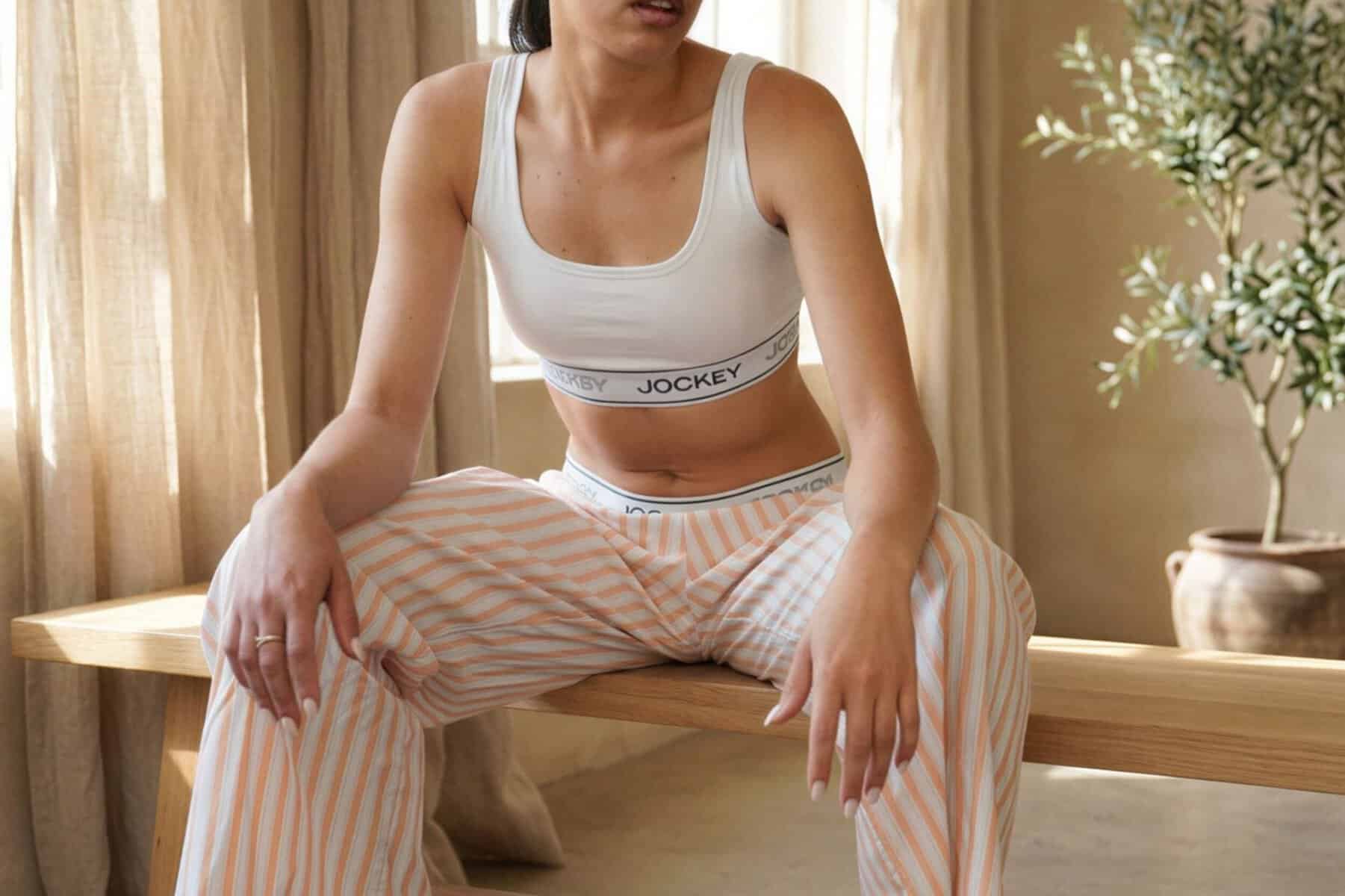
Undies in the 1950s were primarily about practicality.
But that was 75 years ago. Today, there’s everything from seamless panties and shapewear to garments designed for exercise, lounging and different levels of support. And a lot more goes into making them than simply stitching a few pieces of fabric together.
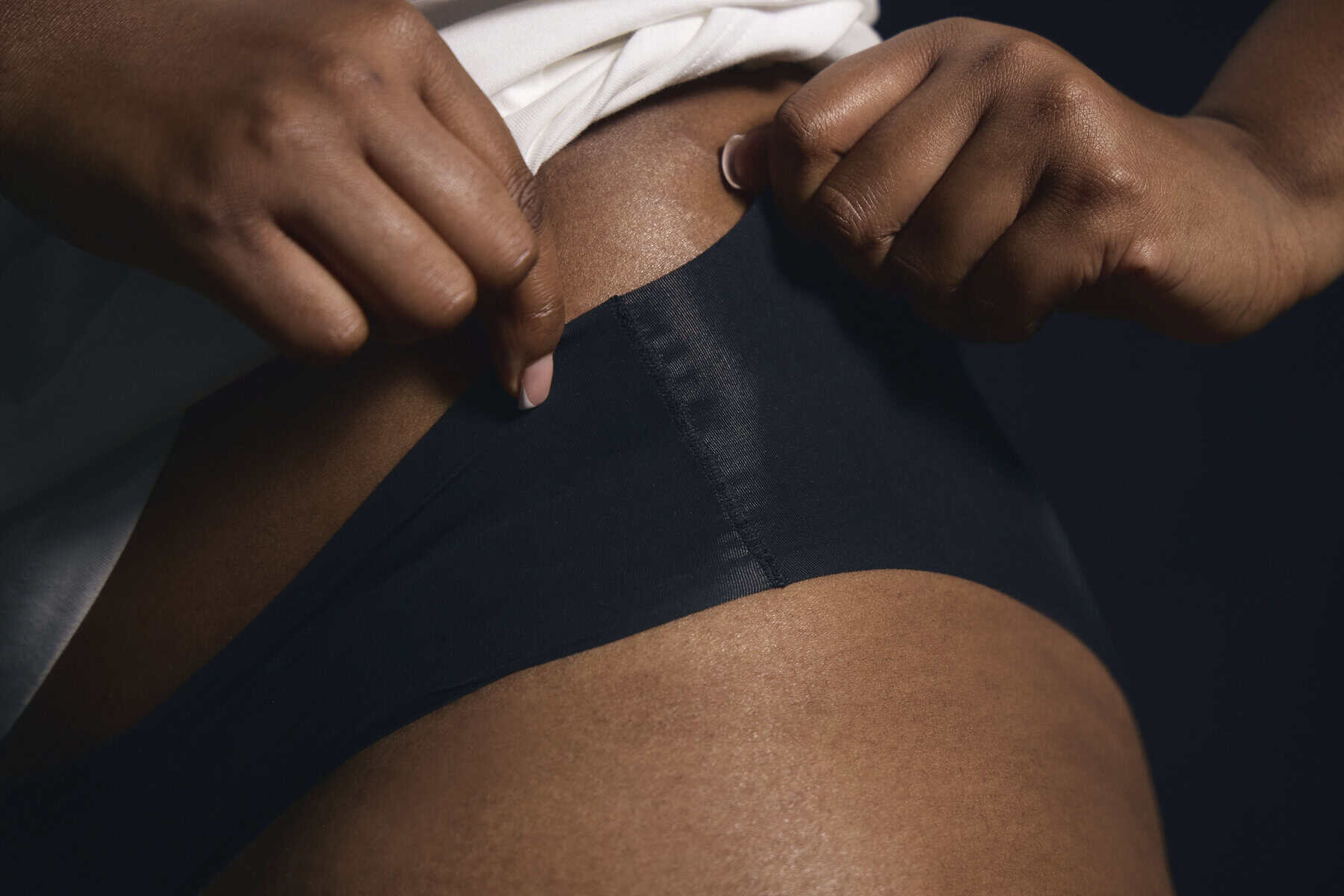
“It looks simple because good underwear is supposed to feel effortless, but there is actually a huge amount of engineering behind it,” Ncapai said. “Even something as simple as where you position a seam can completely change how a garment feels after eight or ten hours of wear.”
Even a simple seam makes a difference
There are waistbands that roll, straps that dig in and panties that seem determined to travel north throughout the day. All of these are problems that underwear designers have to solve, along with finding the right balance between softness, stretch and support.
“For us, the ultimate compliment is almost that the consumer forgets about the product once they put it on. The things they don’t notice are often the things we’ve worked hardest to get right,” she said.
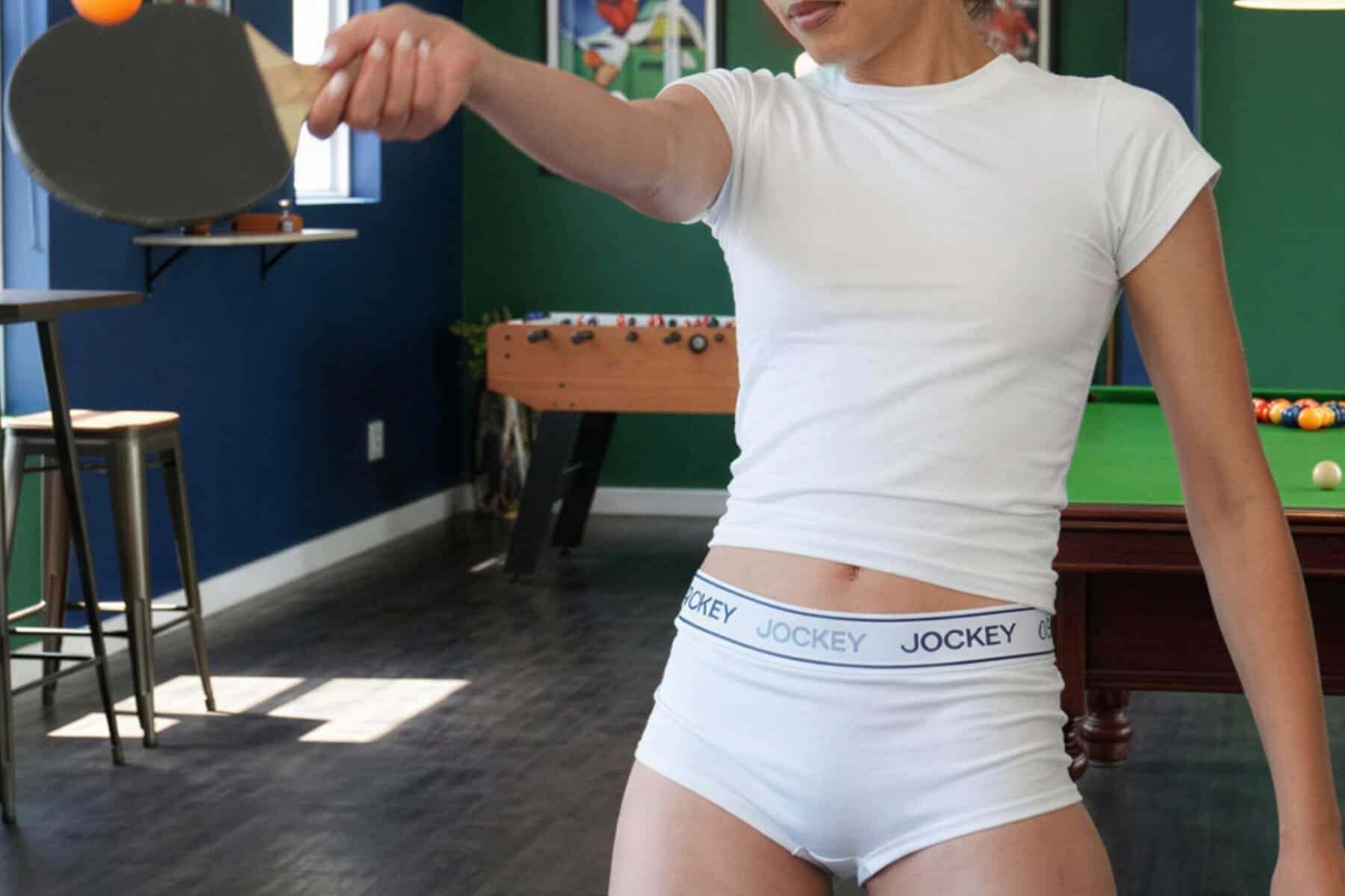
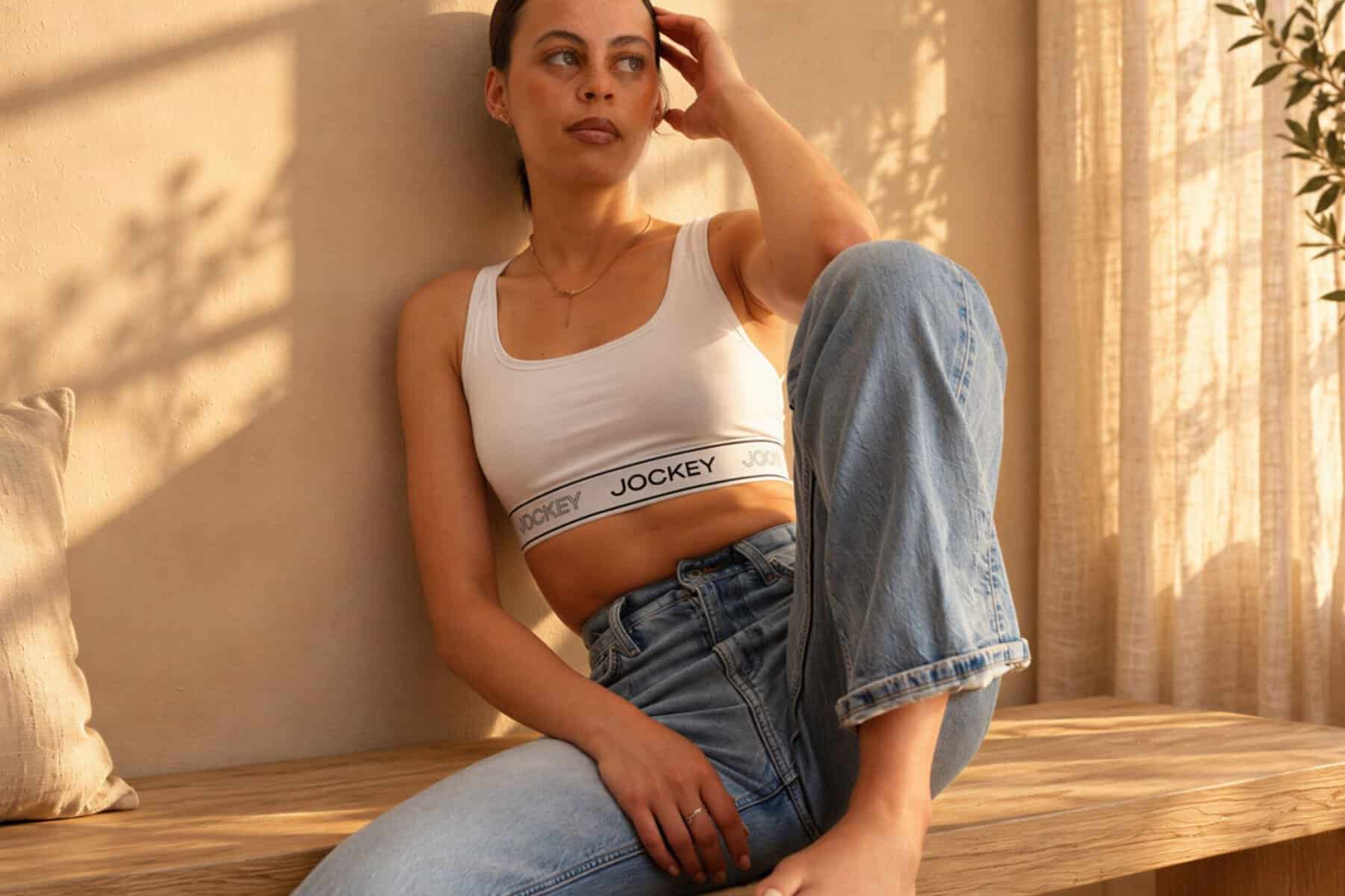
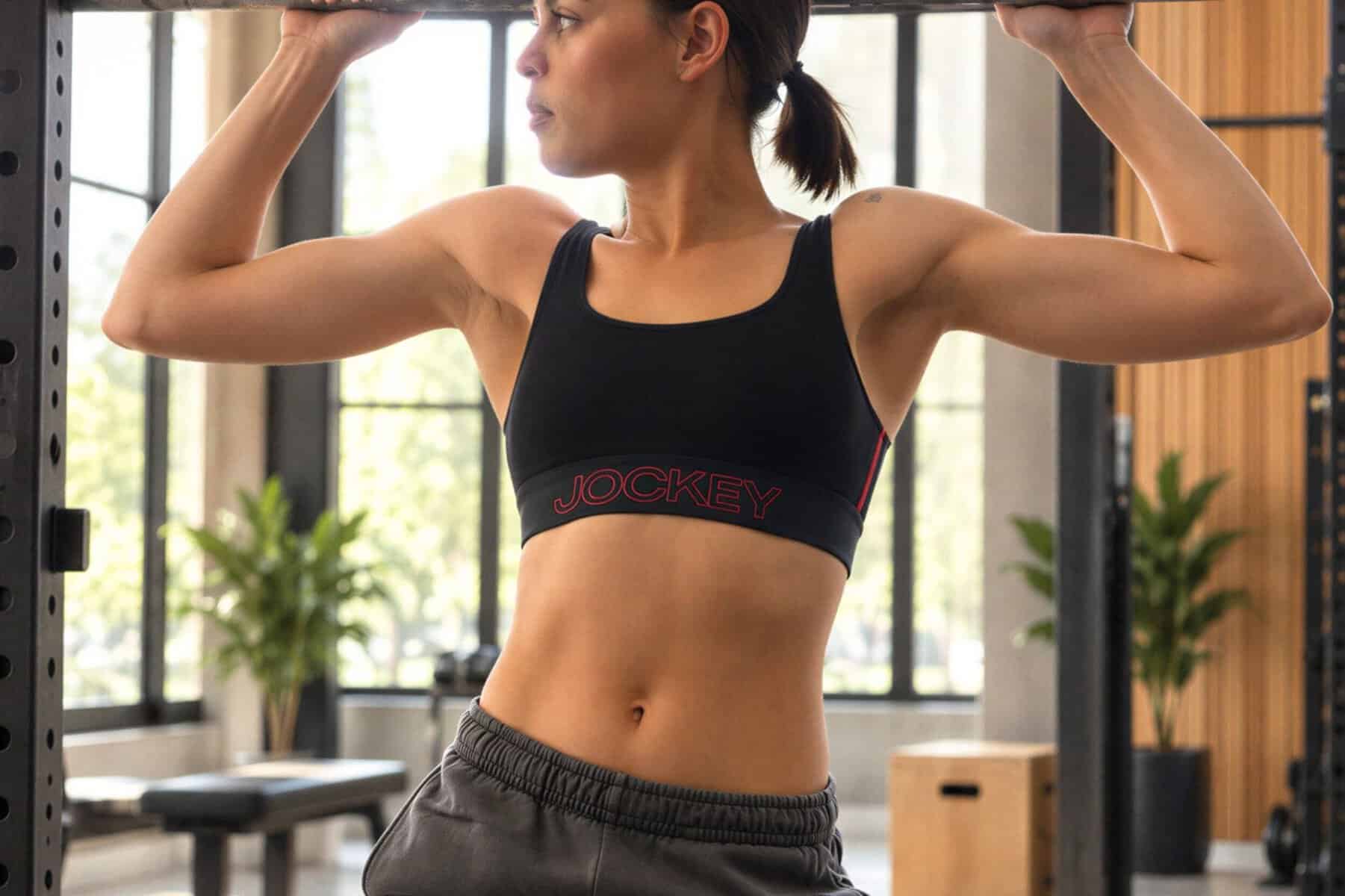
Madonna first started the notion of underwear as outerwear. Her 1984 album Like A Virgin did the job that etched the value into popular culture forever.
Later, again Madonna, the Jean-Paul Gaultier corset with gold pointed nipples helped embed the idea more. The late 90s saw the whale-tail, probably the most fashion-unconscious trend, rear its head beneath low-slung pants and skirts.
Fashion has also had a san always-on influence on underwear design. These days fitted clothing has increased demand for seamless garments, while sheer fabrics, high-waisted trousers and athleisure have introduced different requirements.
Undies are also becoming part of the outfit, though more subtly so than Madonna’s shock treatment in the eighties. Visible bras and lingerie-inspired clothing are now everyday fashion.
“When silhouettes become more fitted, seamless underwear becomes more important. When sheer dressing trends, consumers think differently about what they wear underneath,” Ncapai said.
“At the same time, movements such as going braless or commando are interesting because they force underwear brands to ask a very important question: what value are we adding?” she said.
“You can’t assume people have to wear your product. The industry’s challenge is moving closer to underwear that adapts to the individual rather than asking the individual to adapt to the underwear,” she said.