
Red light therapy is trending in skincare. This is why many people are trying it and why science says it may just work.
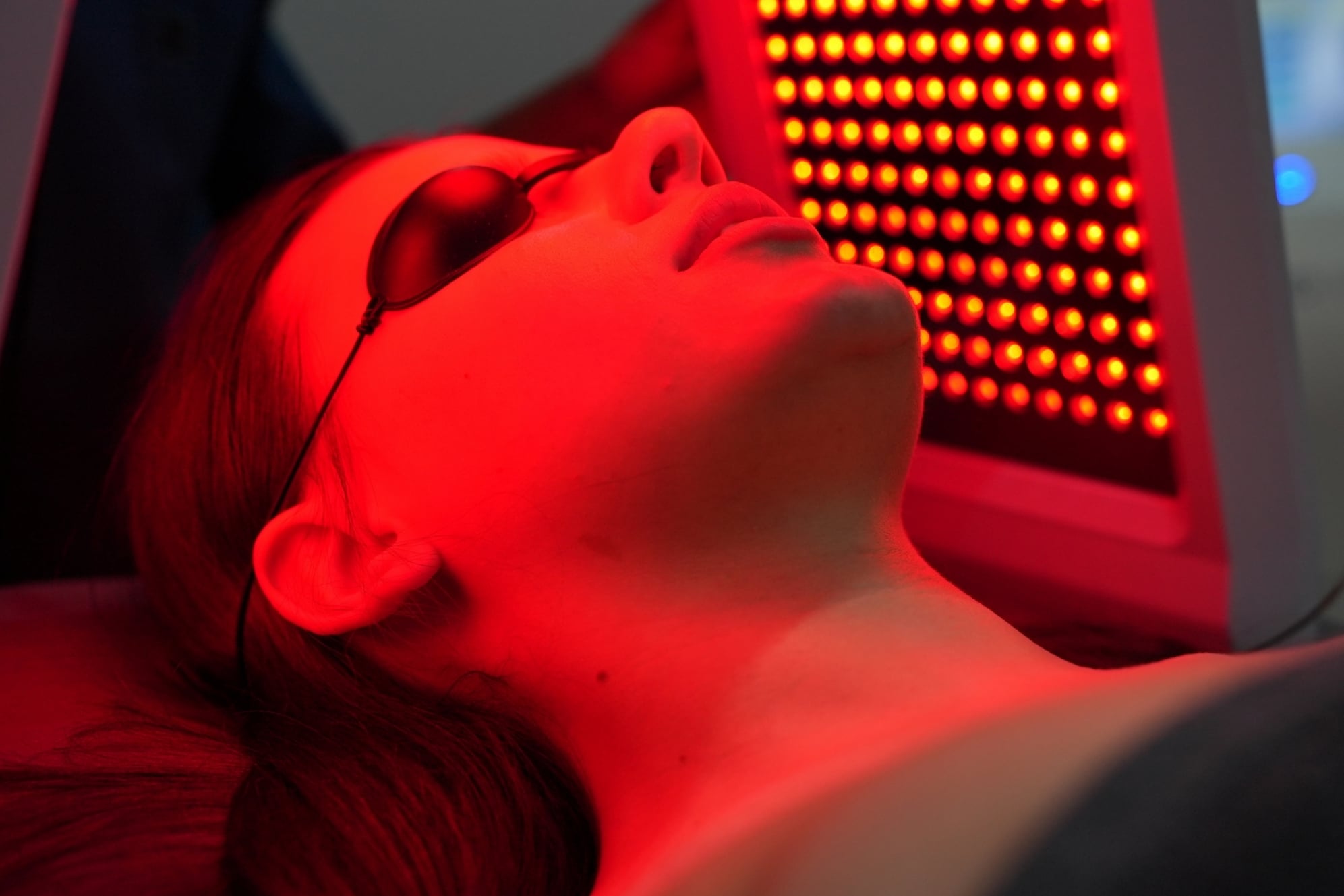
Red light therapy is having a moment. Picture: Supplied


Red light therapy has become one of the biggest trends in beauty and wellness. What used to be confined to specialist aesthetic clinics, has now become an everyday skincare routine must for some folk.
And while social media has fuelled its popularity, there seems to be growing scientific evidence suggesting the treatment offers more than just another passing beauty fad.
It’s labelled as a non-invasive skincare treatment, and red light therapy is believed to work by exposing the skin to specific wavelengths of light that stimulate cellular energy production.
Researchers say this process helps skin cells repair and regenerate more efficiently, supporting healthier skin over time rather than simply disguising imperfections.
Non-invasive skin treatment
Jaaminique Mooi, owner of Revive Body and Skin Clinic, said people had become far more interested in treatments like this that improved the overall health of the skin rather than simply masking imperfections.
“Clients are asking a lot more questions about the science behind treatments,” Mooi said. “They want to know why something works, not just whether it works. Red light therapy appeals because it supports the skin’s own repair processes instead of forcing a temporary result.”
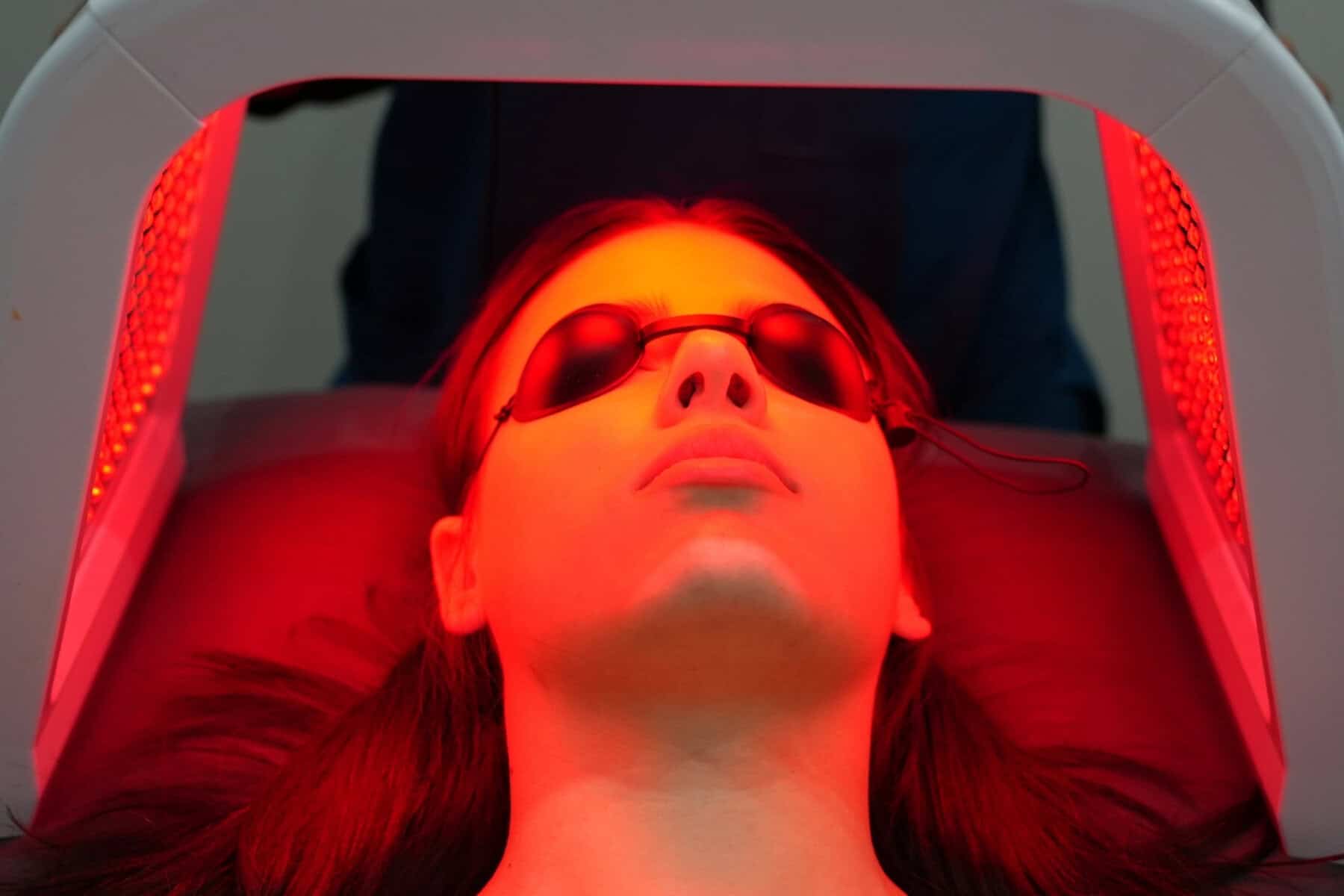
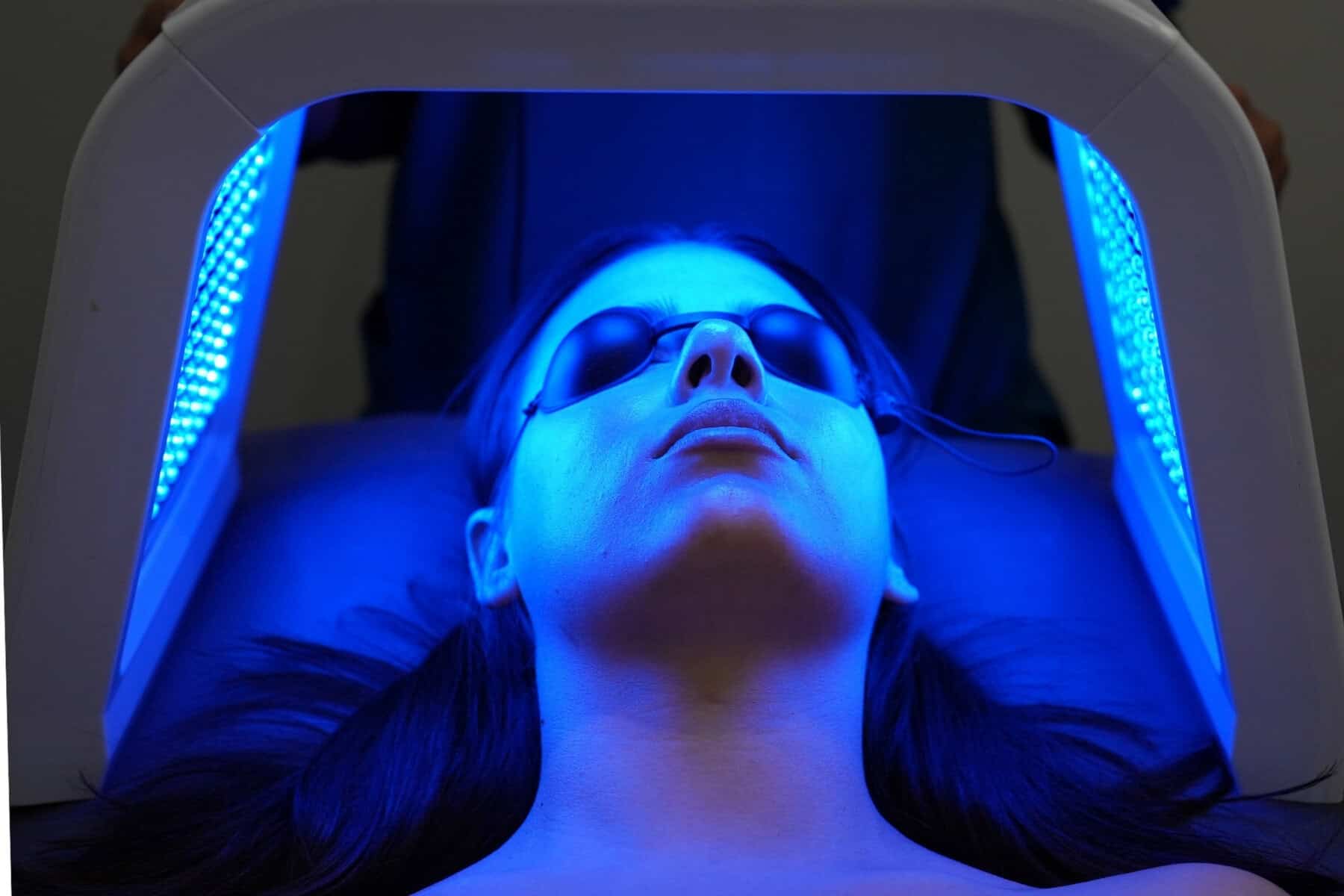
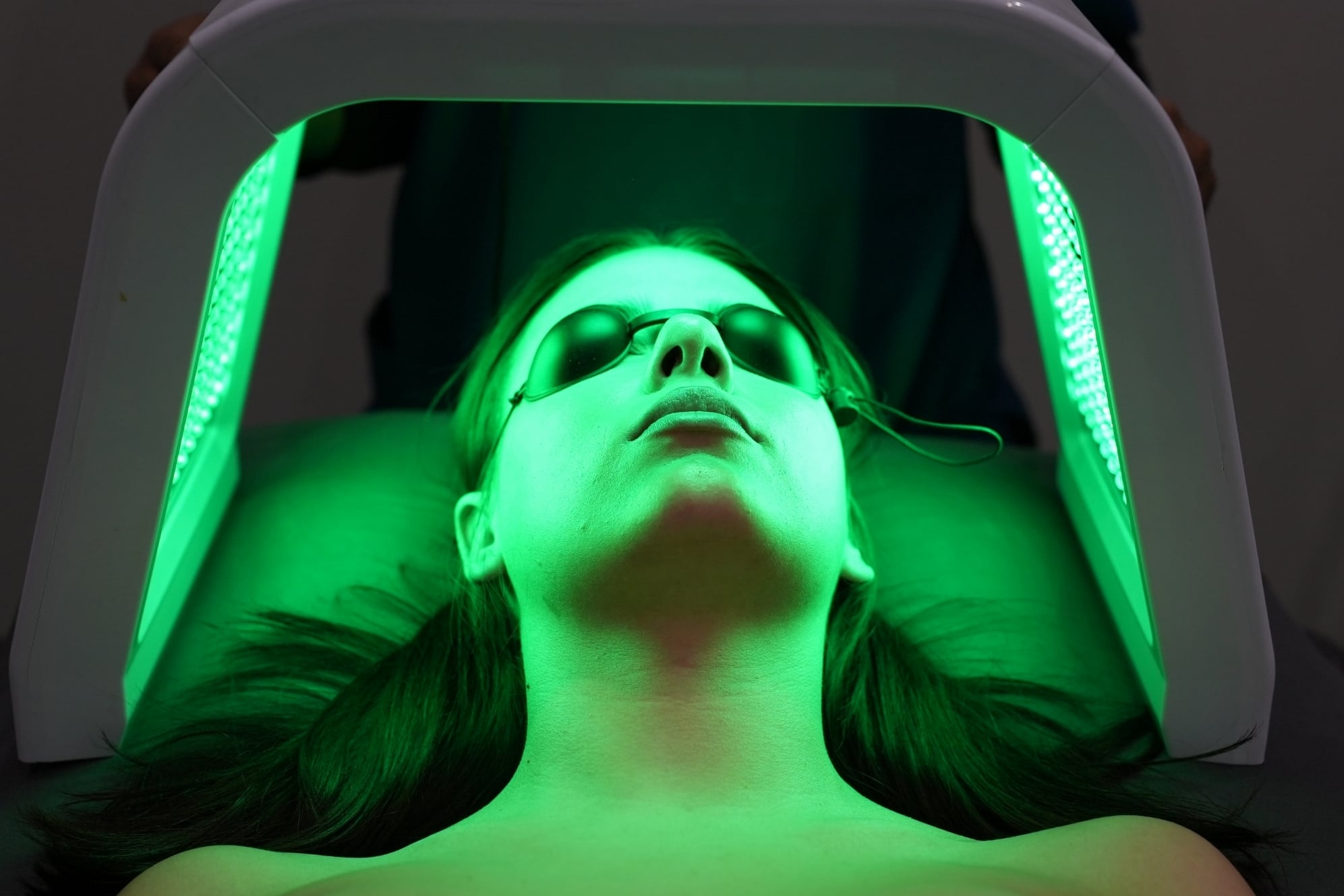
Research has linked regular red light therapy treatments to improvements in acne, inflammation, collagen production, fine lines, wrinkles and uneven skin tone. By stimulating fibroblasts, the cells responsible for producing collagen and elastin, the treatment may improve skin firmness while supporting the skin’s natural healing processes.
The range of potential benefits means many people notice improvements in more than one concern during the course of treatment.
“Someone might initially come in because they’re concerned about signs of ageing,” Mooi said. “As treatment progresses, they often notice improvements in skin texture, clarity and overall radiance as well.”
Improvements in texture and clarity of the skin
Part of the treatment’s growing appeal is its convenience. Sessions, she said, are painless, require no downtime and can often be fitted into a lunch break or afternoon appointment.
Mooi cautioned, however, that realistic expectations remained important. “This isn’t a once-off treatment that changes your skin overnight,” she said.
“Like any good skincare programme, consistency is what produces results. The people who benefit most are those who commit to ongoing sessions and understand that healthy skin is something you build.”
Studies suggest noticeable improvements can appear after several weeks of consistent treatment, although results vary depending on individual skin conditions and the quality of the equipment being used.
“We’re seeing people invest in prevention instead of correction,” she said. “They’re looking after their skin before bigger problems develop, and treatments like red light therapy fit perfectly into that mindset because they’re gentle, evidence-based and suitable for almost everyone.”