Johannesburg mixologist is heading to Scotland this October to compete on the global stage after clinching SA title.
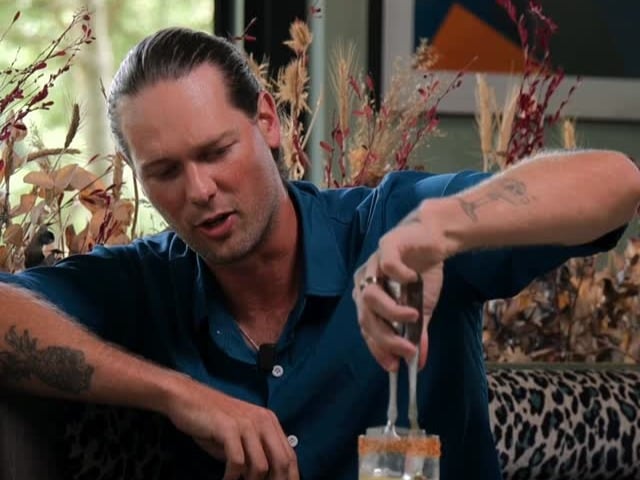
George Hunter, South Africa’s representative for the 2026 Diageo World Class Global Finals. Picture: Supplied


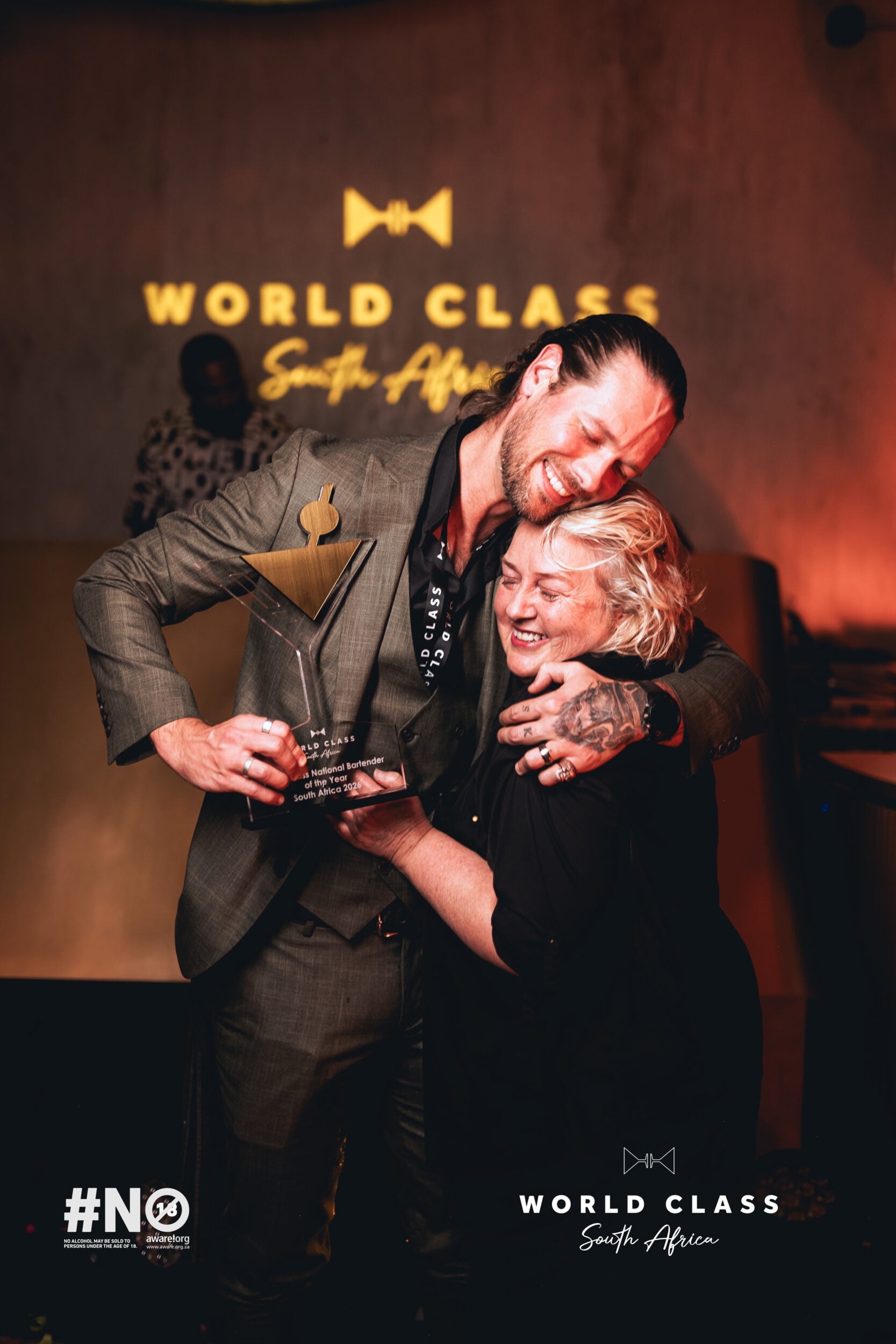
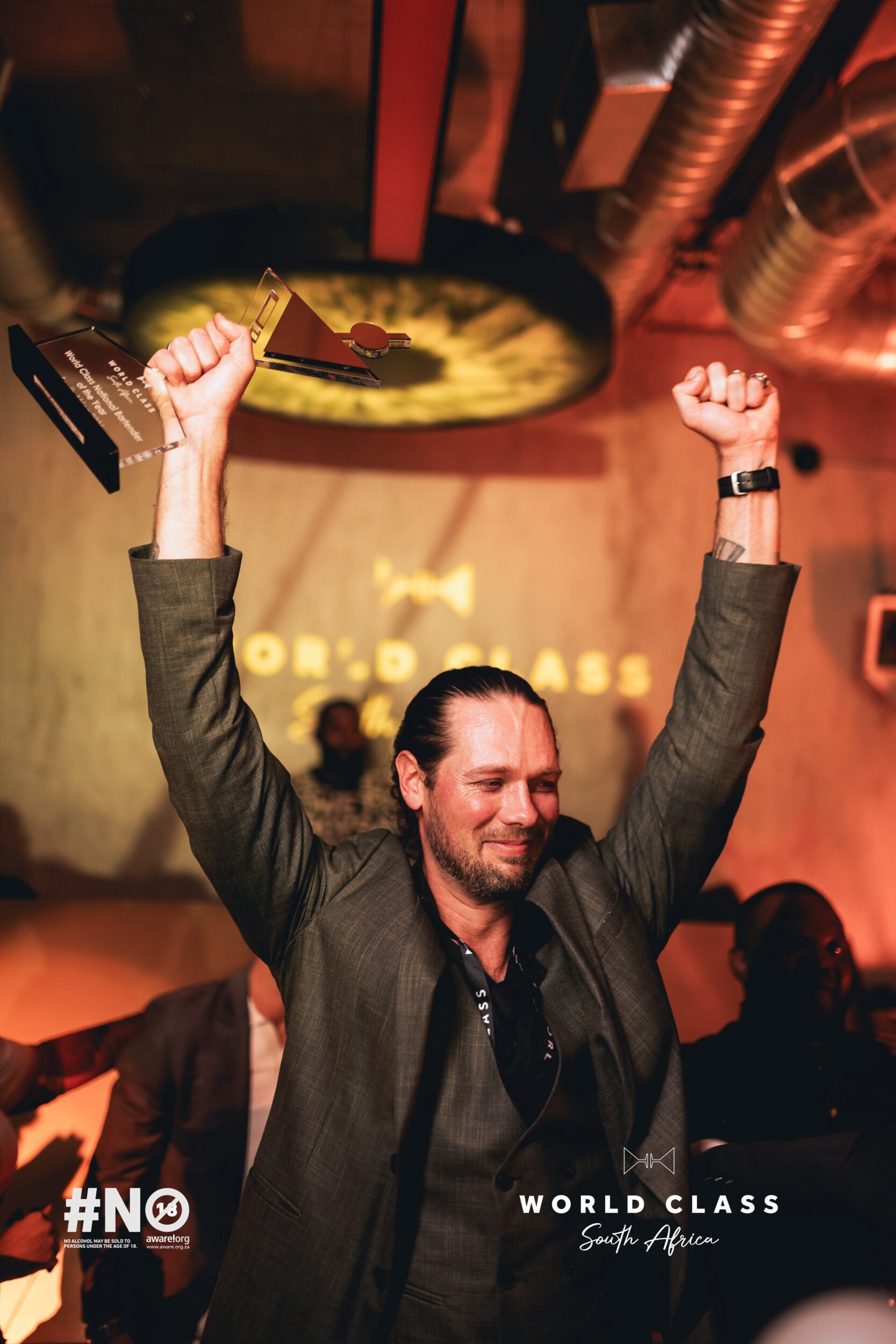
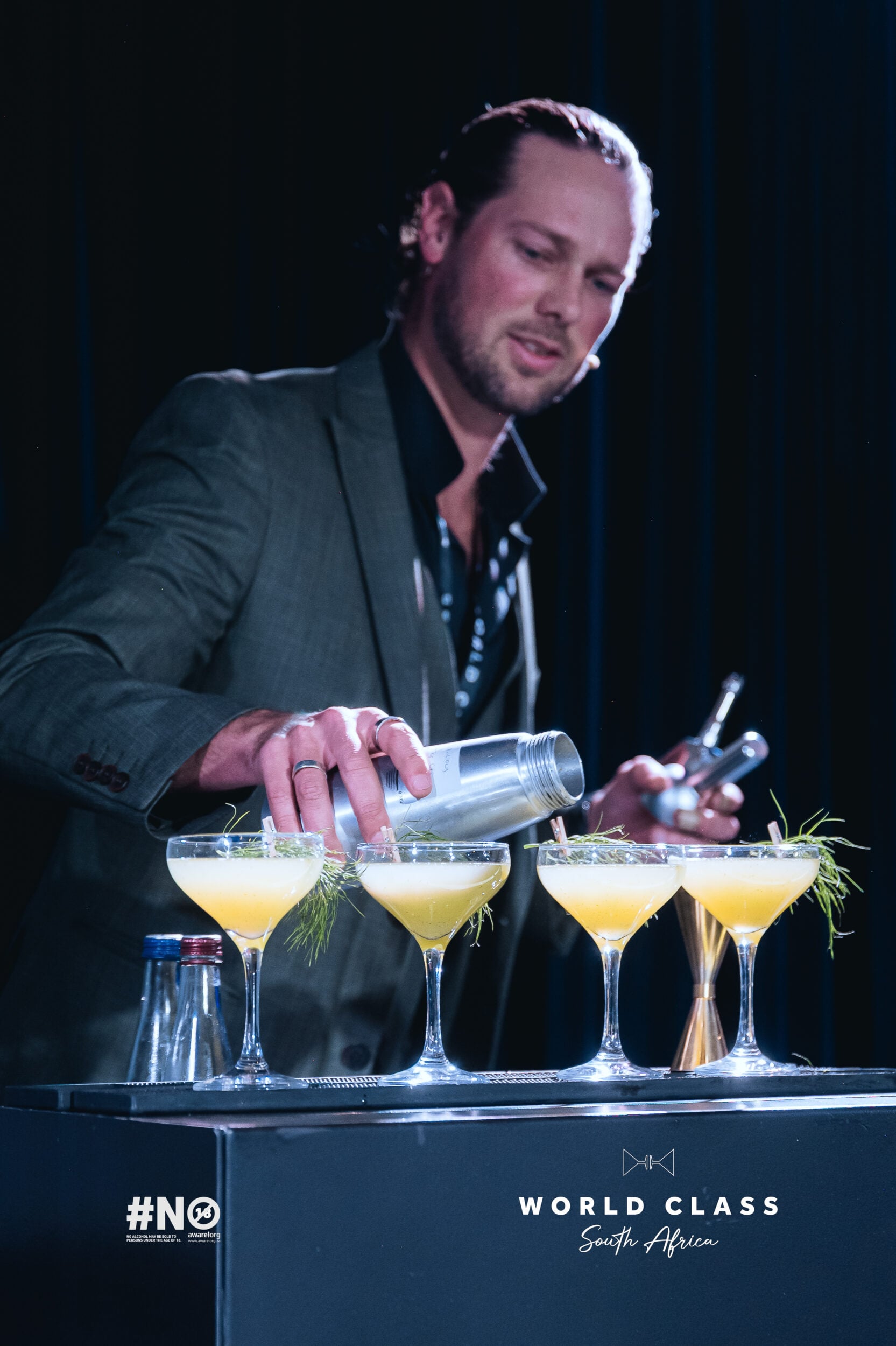
George Hunter has been confirmed as South Africa’s representative for the 2026 Diageo World Class Global Bartender of the Year finals, following a national competition held at Naked Woolf in Rosebank, Johannesburg, in July.
The win came after a mixology showdown, a series of innovative challenges and a signature serves showcase, all forming part of Diageo’s World Class competition. Hunter will now compete against winners from more than 50 countries at the global finals, one of the hospitality industry’s most prestigious platforms since its launch in 2009.
Speaking to The Citizen about the nerve-wracking nature of the final announcement, Hunter said the day itself was less about performance and more about waiting to see if his preparation had paid off.
“Naked Woolf was the announcement only; that means it is pure nerves and hope that you have done enough to win. What got me through it is knowing that I truly put my heart into every step of the World Class competition and I represented myself in the most authentic way I could,” Hunter said.
The award-winning bartender added that while competitions leave little room for error, he was satisfied with what he brought to the table.
“Competitions can be extremely difficult, and small mistakes can be costly, but I was very happy with everything I presented for World Class 2026.”
According to Cebisa Luzipho, culture manager for Don Julio South, West & Central Africa at Diageo: “World Class is a platform that allows us to celebrate the craftsmanship of mixologists and bartenders, honouring their creativity and excellence in our industry.”
“We champion craftsmanship by making tastemakers and taste innovators part of our journey at every level. Everything we do stems from the love of our liquid, which was first championed by our founder, Don Julio Gonzalez.”
An underdog on the world stage
Hunter is the co-owner and director of Rosebank’s Obscura Cocktail Bar & Eatery and he believes South Africa’s relative isolation on the global bartending circuit, usually a disadvantage, could work in his favour at the finals in Scotland.
“South Africa can often be an under-recognised country for hospitality; this is mainly because travel to South Africa is long and inconvenient from most places. If we were more centralised and easier to pop over to, we would 100% be a more awarded country. This gives me the ability to be a dark horse in the competition.”
That same isolation, he said, has forced local bartenders to sharpen a different skill set entirely.
“We have unique ingredients that most places have never seen or heard of. We also don’t have the same access to ingredients other countries might have as a standard; this forces us to be very adaptable and quick thinking.”
Defending the price of a premium cocktail
Hunter, who has previously spoken on Obscura’s Instagram about growing consumer frustration over rising cocktail prices in South Africa, was candid about the tension between craft and cost, particularly now that he’s competing at this level.
“Costs of everything are going up, yet when food or drink gets more expensive in premium restaurants, people tend to complain quickly,” he said.
“The value of a great experience in a premium establishment that has quality ingredients for both food and beverage, professional staff, and great décor comes with a certain price tag – you can’t create that experience at home and certainly not for only R500.”
He further argued that quality ingredients simply aren’t optional at the level he operates at, pointing to the gap between a well-made spirit and a cheaper alternative.
“Consumers need to understand that a cocktail made with a quality tequila costs a lot more than one made with a poor-quality tequila.”
Asked how he’d convince a sceptical customer that a cocktail priced above R150 is worth it, Hunter pointed to his years of experience both behind the bar and consulting for venues.
“Competing and winning competitions, as well as the many years’ experience I have behind the bar and consulting for venues, has equipped me to educate customers on why drinks cost a certain amount,” he said. “The argument is simple: better quality ingredients cost more.”
During his tenure as a barman and beverage consultant for more than a decade across South Africa, his work has delighted diners at celebrated Johannesburg eateries like Tashas, Saint, Zioux and Anti Est.
Building towards Scotland
With the global finals set for October, Hunter’s preparation is being shaped challenge by challenge, rather than around a single showcase drink.
“It all depends on the brief of the challenge – there will be some South African ingredients used for sure, but the prep is to ensure my serve and story match the brief of each challenge,” he said, noting that the finals comprise nine separate challenges.
From here, Hunter said it comes down to repetition and research.
“After that, it is to practice, practice and practice. I also need to research all brands and their stories, as well as focus on any and all finer details that I could add to the experience of my challenge.”
Hunter will compete for the title of World Class Global Bartender of the Year 2026 when the finals take place in Scotland later this year.