
One size doesn’t fit all, and many Gen Zs have had a bad rap because of it. Durban twentysomething brothers...
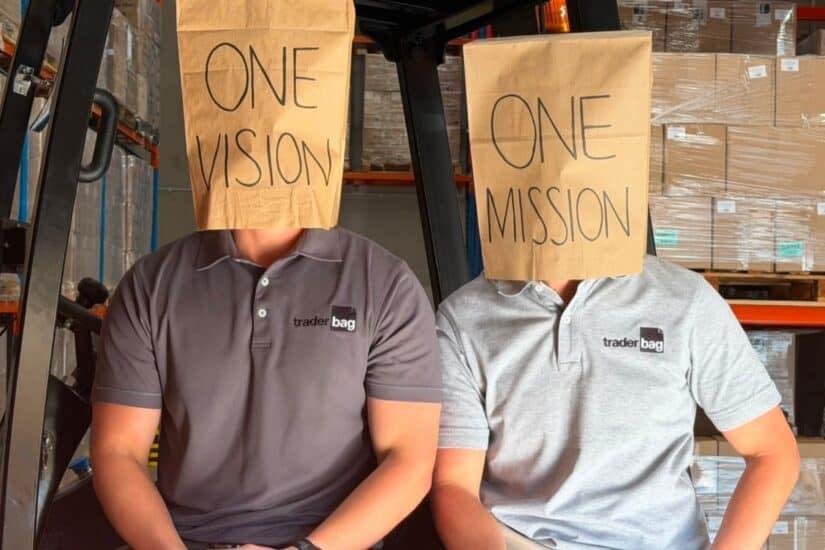
Bag-brothers, Daniel and Declan Cherry. Picture: Supplied


One size doesn’t fit all, and many Gen Zs have had a bad rap because of it. Durban twentysomething brothers Daniel and Declan Cherry have myth-busted this.
They’re not part of the lost generation label that’s so freely stuck on younger people, because instead of doomscrolling, they’ve already bagged their journey.
There is one sticky aspect of being a Gen Z that remains though. It is the environmental conscience that researchers say makes this generation the greenest social cohort yet.
Their business, Traderbag, fits right into it. The brothers supply customised paper shopping bags to retailers, and Daniel said the passion for the product grew the more he learnt about plastic.
“You start to see all the stats behind what plastic is doing to sea life, and what it’s doing to us humans is actually crazy. It’s quite nice to be in an environment where you’re very passionate about your product,” he said. “And you can do something about everyone’s future, positively.”
The idea took shape while Daniel worked at his father’s company, the business that prints the paper swing tags hanging off garments in most of South Africa’s clothing stores. He said the writing was on the wall, or rather, on the bag, as the move away from plastic crept in slowly.
“A few retailers started asking about paper bags. As more started asking, I realised that this was a massive opportunity and a good time to get into the market. If you keep leaving it, you’re going to miss out on potential clients,” he said. Two years ago, he took the leap, and his brother Declan, 29, packed up a cushy life in the Netherlands and came home to help build the business.
Gen Z brothers hit the timing right
Their timing could not have been better. More than 91 countries, including many in Africa, have outright banned single-use plastic shopping bags, according to Statista, while the United Nations Environmental Programme listed 127 countries where some form of legislation now manages the use of the same.
The South African legislation remains in limbo, said the brothers, and shoppers keep forking out for plastic at the till. It’s not cheap, and Cherry said that the comfort labels promise that the bags are recycled and recyclable, is somewhat questionable.
“In small writing, it says the conditions have to be right for the plastic to decompose. No one really knows what those conditions are. It’s kind of stretching the truth,” he said.
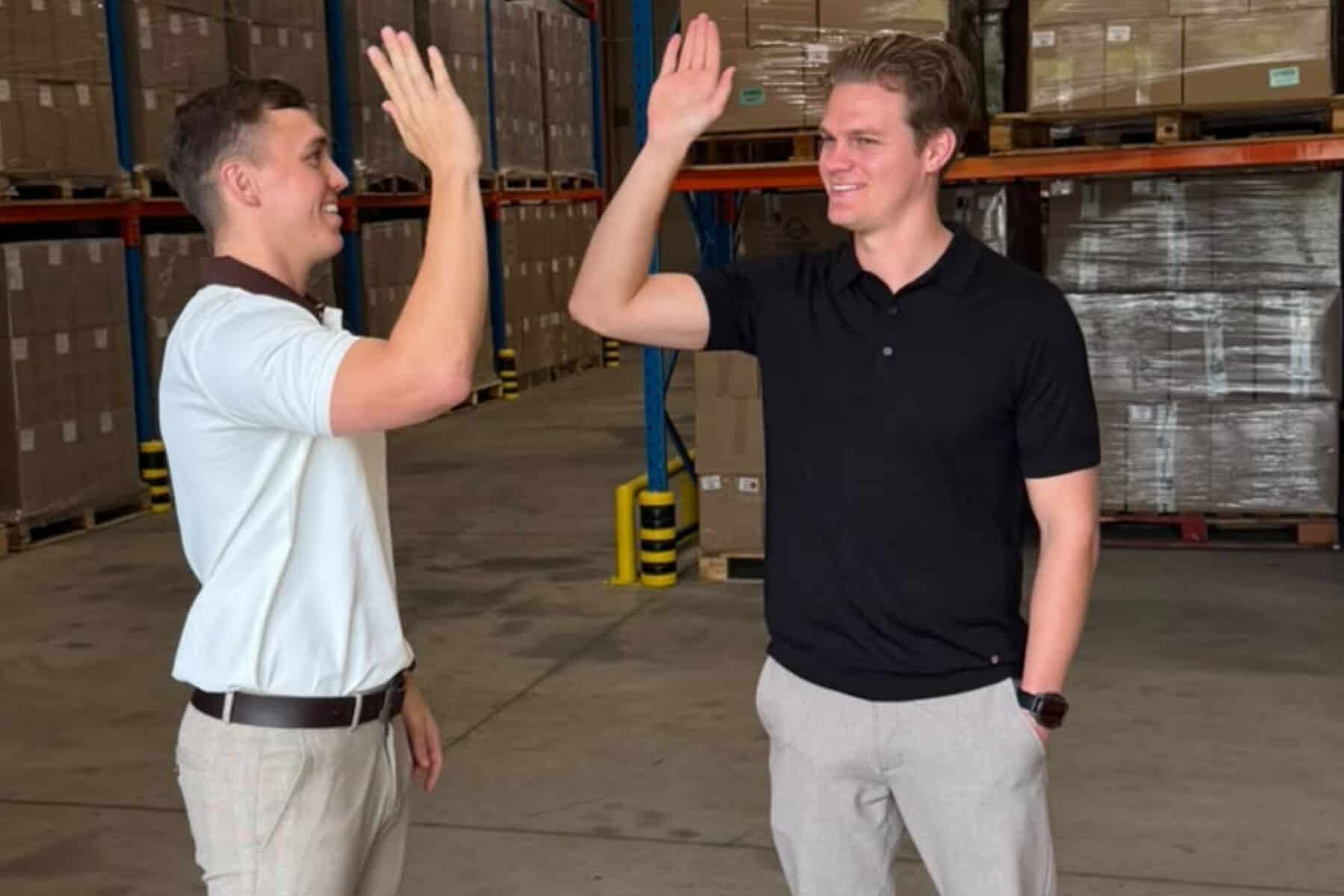
Decomposing biodegradable or compostable plastic requires conditions, he said, that usually mean temperatures of around 60 degrees Celsius, and he noted nature simply cannot deliver them.
“No natural environment is going to biodegrade the bags,” he said. Brother Declan added that what the material leaves behind never really leaves.
“It degrades into microplastics and nanoplastics that cause so much damage to animals, humans and the environment. It’s still there, lurking. It almost never disappears,” he said.
Only about 14% of single-use shopping bags are ever recycled, the pair said, and the substance can only go through the recycling mill three or four times before it falls apart for good. Paper can be recycled up to nine times, and if it ends up in the veld instead of a bin, it biodegrades within a few months.
‘No natural environment will degrade the bags’
It’s a value chain problem and one of perception, said Daniel. People don’t value the bag in their hands.
“People see plastic as a one-use product. You go home, use it as a little dustbin liner and then throw it away. It’s seen as a dirt-cheap product that can just be tossed after use,” he said.
And, the brothers said in unison, they don’t believe that recycling and environmental awareness are a conscience reserved for the monied.
“We tried an experiment with a lower-end fashion retailer and replaced the plastic bags in their stores with paper to see the response, which ended up being overwhelmingly positive,” Daniel said.
Several upper-end and mid-range retailers have followed suit, keeping Gen Z’s business pumping, growing, and benefiting the environment.
And it’s not just retail that they are planning to conquer. Paper courier bags for online orders have already launched, with paper alternatives to plastic garment wrapping next on their list.
Everything is made locally, in Johannesburg and Durban, from FSC-approved paper. FSC certification means the paper comes from responsibly managed forests that deliver environmental, social and economic benefits.
Then, the bags are printed with water-based inks. The brothers now employ nine people. And that’s only the beginning.
Everything is made locally
This is the kind of contribution Gen Zs and anyone, really, can make to South Africa’s future, both brothers said.
So many young people leave our shores looking for greener pastures when, in fact, the best grazing is at home.
Declan said he saw nothing like the opportunities that South Africa offers during his years abroad.
“There’s no country I’ve seen where there’s such a big entrepreneurial movement. In the Netherlands, you can be very comfortable, never starting your own company, and just working for a boss. Here it’s different, and there is a lot of opportunity,” he said.
“All you have to do is just take that first leap and dive into whatever you feel passionate about.”