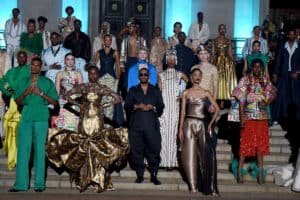
African roots are only part of the story for leather accessories maker Inga Africa. There's a lot more to this homegrown brand.
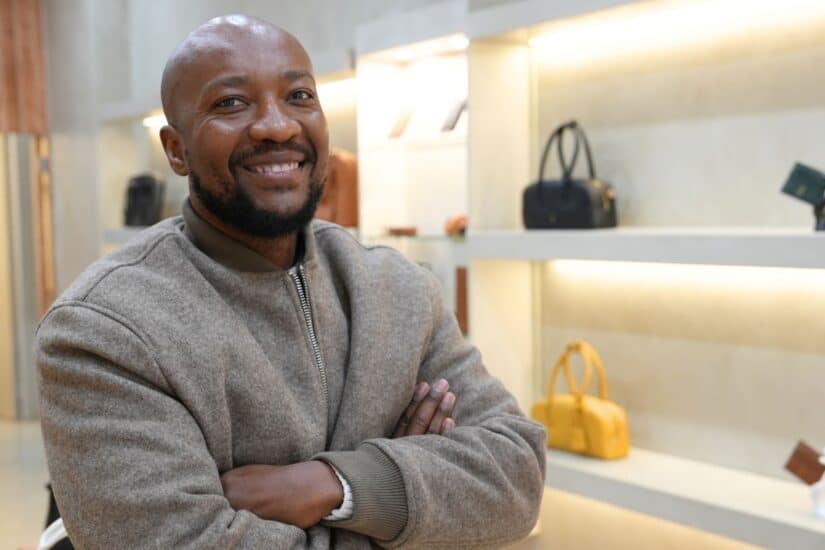
Neo Lekgabo is a passionate entrepreneur. Picture: Hein Kaiser


Walk into this designer showroom and it could be anywhere in the world. Minimalist, almost art gallery-like merchandising, the works on the shelf, incredible leather craftsmanship. Comparisons are odious but seriously, the handbags, wallets, man-bags and accessories at Inga Africa in Melrose Arch stand up to… no, stand taller than many designer labels at inflated prices.
To boot, these pieces are handmade in Joburg’s CBD.
“And that global feel is no accident,” said Neo Lekgabo, who partnered with founder and chief designer Inga Gubeka to recapitalise and rebuild the brand, launched in 2018.
Lekgabo comes from a totally different sector. He’s a marketer whose CV spans the SABC, MultiChoice Africa, and Kwesé TV before he started his own agency.
“We wanted to build a world brand that can live comfortably anywhere in the world. It is made out of Africa, but that is just a geographic fact. We don’t necessarily lead with it,” he said.
Made in Africa is just about geography
There is no beadwork, no wax print, none of the shorthand local designers often reach for to turn design into curio shop pastiche. Lekgabo said overplaying the heritage card can backfire.
If aesthetics and touch is what turns your clock to midnight, go and play at his store, even if it’s just for a look and feel’s sake.
“If you are African and you go around talking about how African you are, then we start to wonder. And what does being African even mean? Accra has a very different style. So does Nigeria, East Africa and everything in between.”
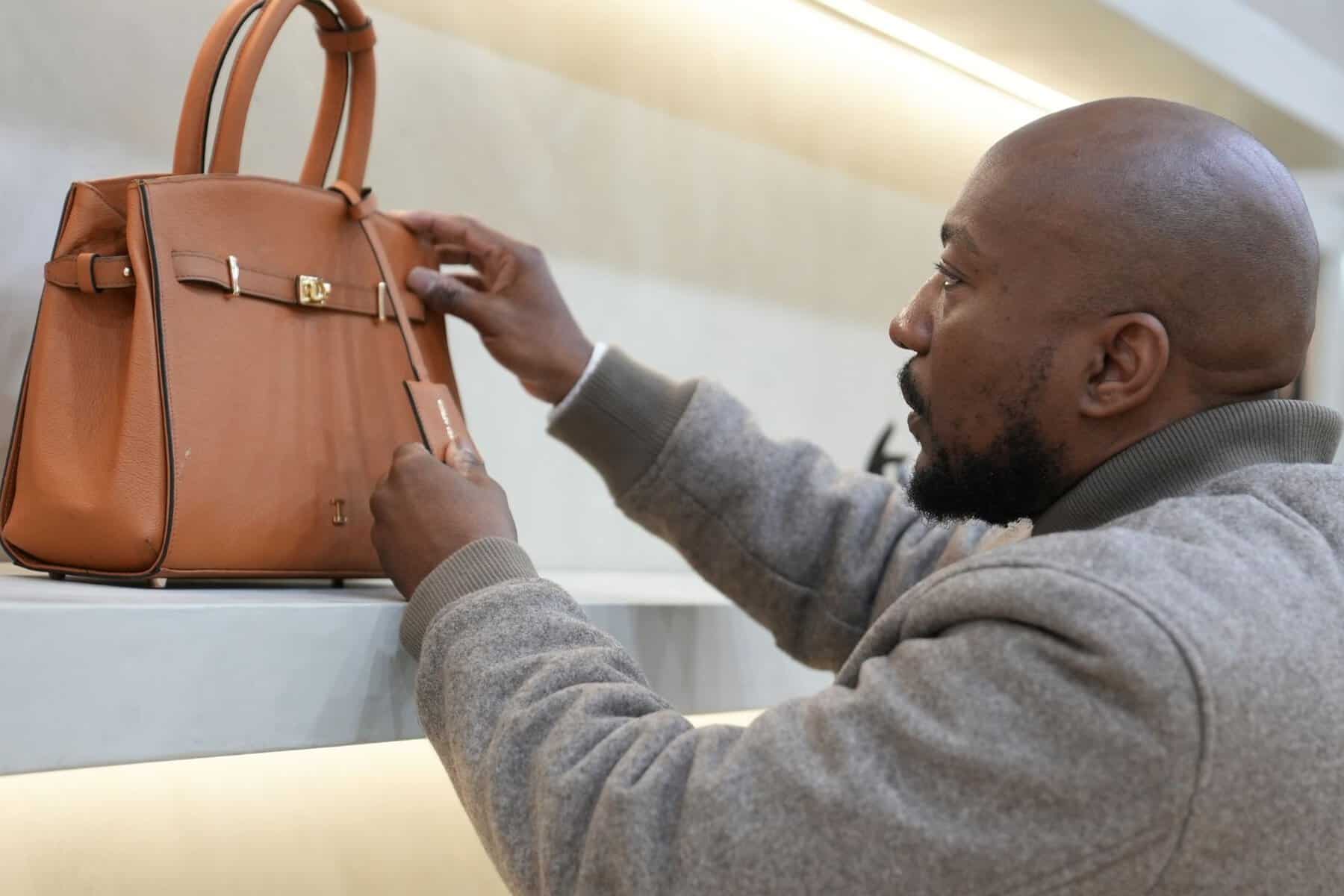
Instead, the identity of the continent is carried in language. Every piece has a name with meaning. Inkosikazi, isiZulu for woman of stature, is the flagship handbag. Binti is Kiswahili for daughter. Buka, a laptop sleeve, means book. Then there’s Unoposi, the postman, a man bag.
The postman, a village legend
“It’s not just the nostalgia of the postman, it’s what those letters meant to us, especially in rural, poorer areas. When the postman delivered a letter it meant that you got a job, or you got a bursary. When the postman delivered a letter, it was something of significance. If you want to carry something of significance, that’s the bag for you,” said Lekgabo.
Every item has a story. Even the whole idea of a leather goods store, that focuses on carry-items, so to speak, has a different kind of cultural legend attached to it.
“Most of us were raised by grandmothers, and it doesn’t matter how poor you are, the money sits in that little leather pouch that she had. When it comes out, for some odd reason, everything is going to be okay. There’ll be bread, it can pay for electricity. You grow up with leather not as a fashion statement, but as a companion that you travel with.”
The workshop near Maboneng employs a small permanent team and about a dozen freelance artisans. The leather comes from Italy. Lekgabo said it is a bottleneck problem, not a quality one.
“There are very good tanners in the country, but they supply the very big retail shops. To get onto that production line as an up-and-coming brand, you wait. And that affects our turnaround time.”
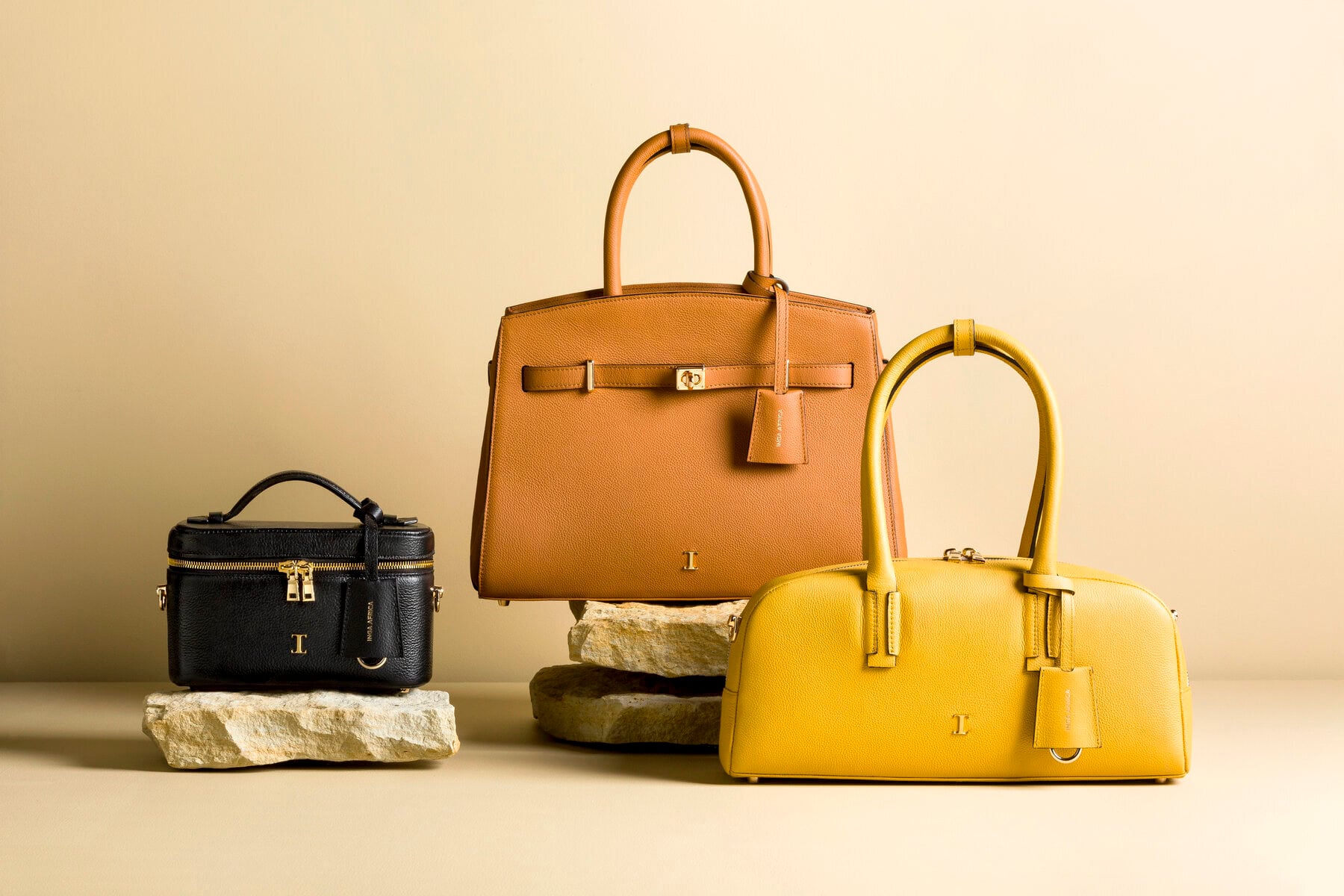
Price, always the kicker. Considering the hours of handwork in every piece, the tag is quite reasonable. The flagship Inkosikazi retails at R8 900, and it holds its own against imported labels that charge many multiples of that for bags rolling off a production line. And better yet, this is all in support of local enterprise.
‘We want them to fall in love with our stories’
“When people walk in, they must feel the familiarity. They must say this could easily be a store anywhere in the world. We want them to fall in love with the stories around our bags,” said Lekgabo.
The next chapter is a return to export markets. Lekgabo said that the brand used to have an agent in the United States but the pandemic killed its first round of overseas endeavour. Now, American trade tariffs have made the math trickier.
“It scattered our plans a little bit in relation to pricing. But it will not faze us nor prevent our growth plans,” he said.