
Bolt has officially launched its electric vehicle category in South Africa, starting in Cape Town with plans to scale.
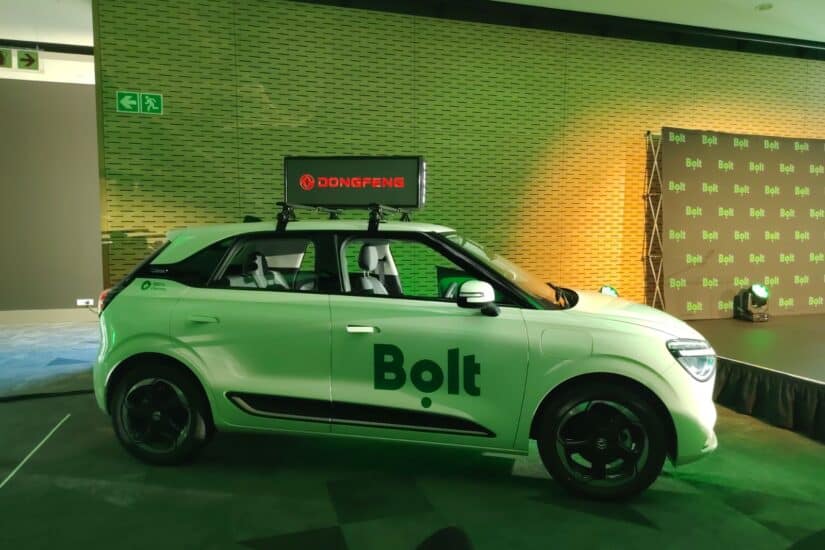
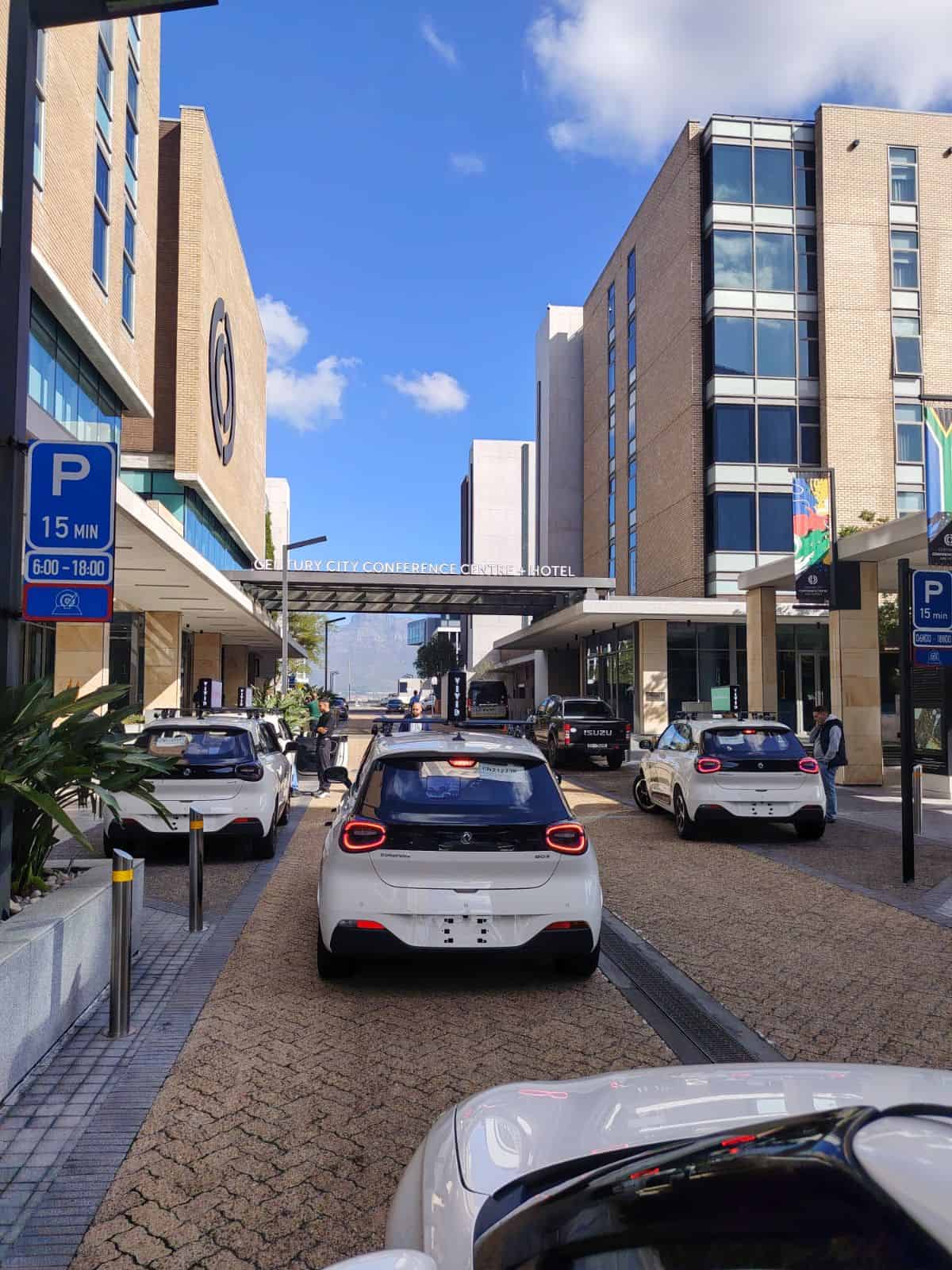
Bolt has launched its Electric Vehicle category in Cape Town through a fleet partnership with YugoRide, with plans to scale to 500 EVs across South Africa by December 2026. Picture: Kaunda Selisho


Ride-hailing platform Bolt has taken a significant step toward sustainable urban mobility in South Africa with the launch of its Electric Vehicle (EV) category in Cape Town. If you have not yet spotted one on the road, you will likely do so soon.
The category, which launched on 18 May 2026, was introduced through a strategic fleet partnership with YugoRide and marks the latest chapter in Bolt’s broader African EV strategy. The move follows earlier electric mobility rollouts in Kenya and Nigeria.
The company currently operates electric ride categories in more than 70 cities worldwide.
Cape Town first, Johannesburg next
Cape Town serves as the launch city, with a Johannesburg rollout already in the pipeline as part of Bolt’s wider South African expansion plans.
The company is targeting a fleet of 500 electric vehicles on South African roads by December 2026 – an ambitious but pointed commitment from a platform that recently celebrated 10 years of operations in the country and announced a R3 billion economic contribution milestone.
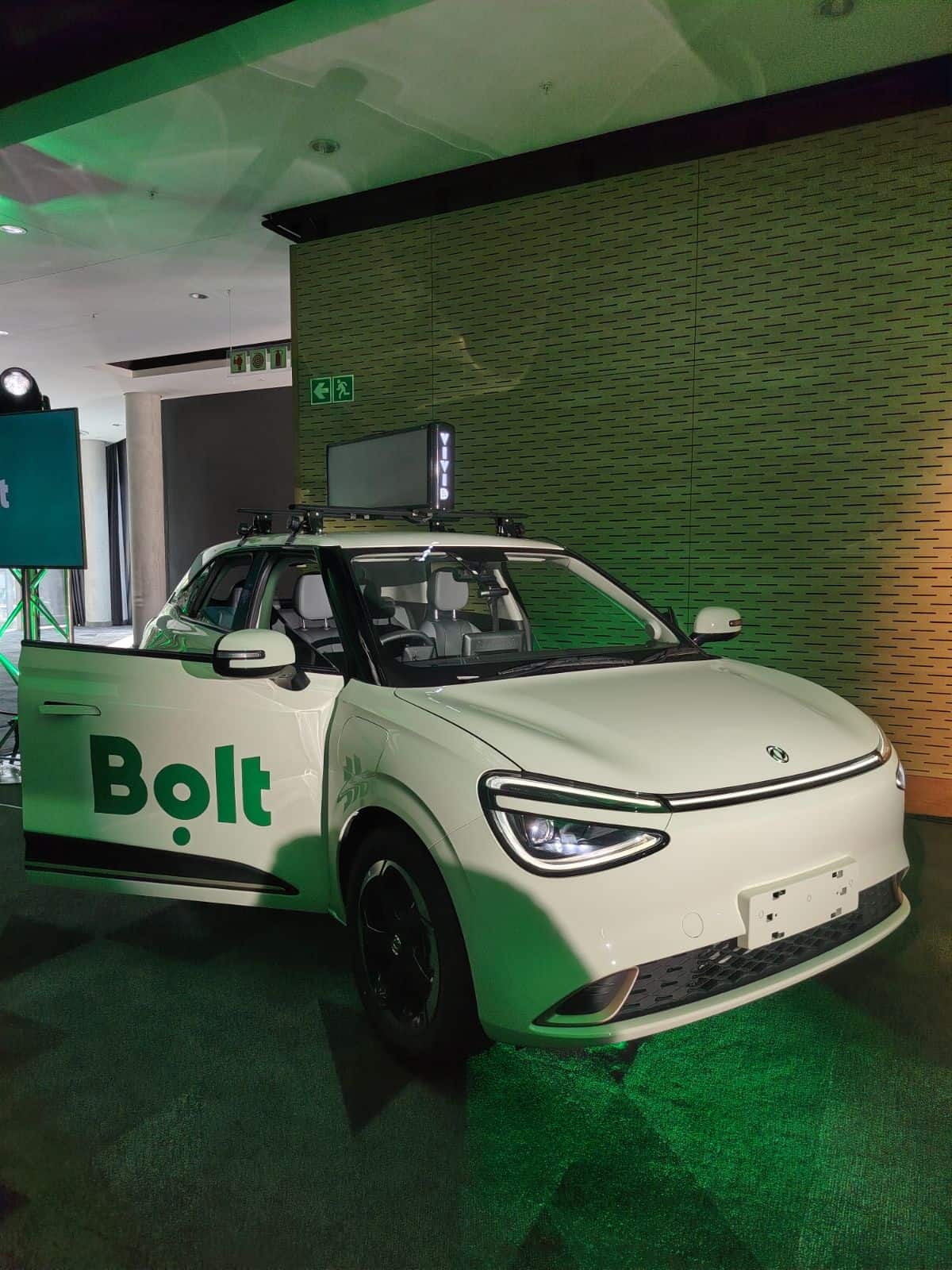
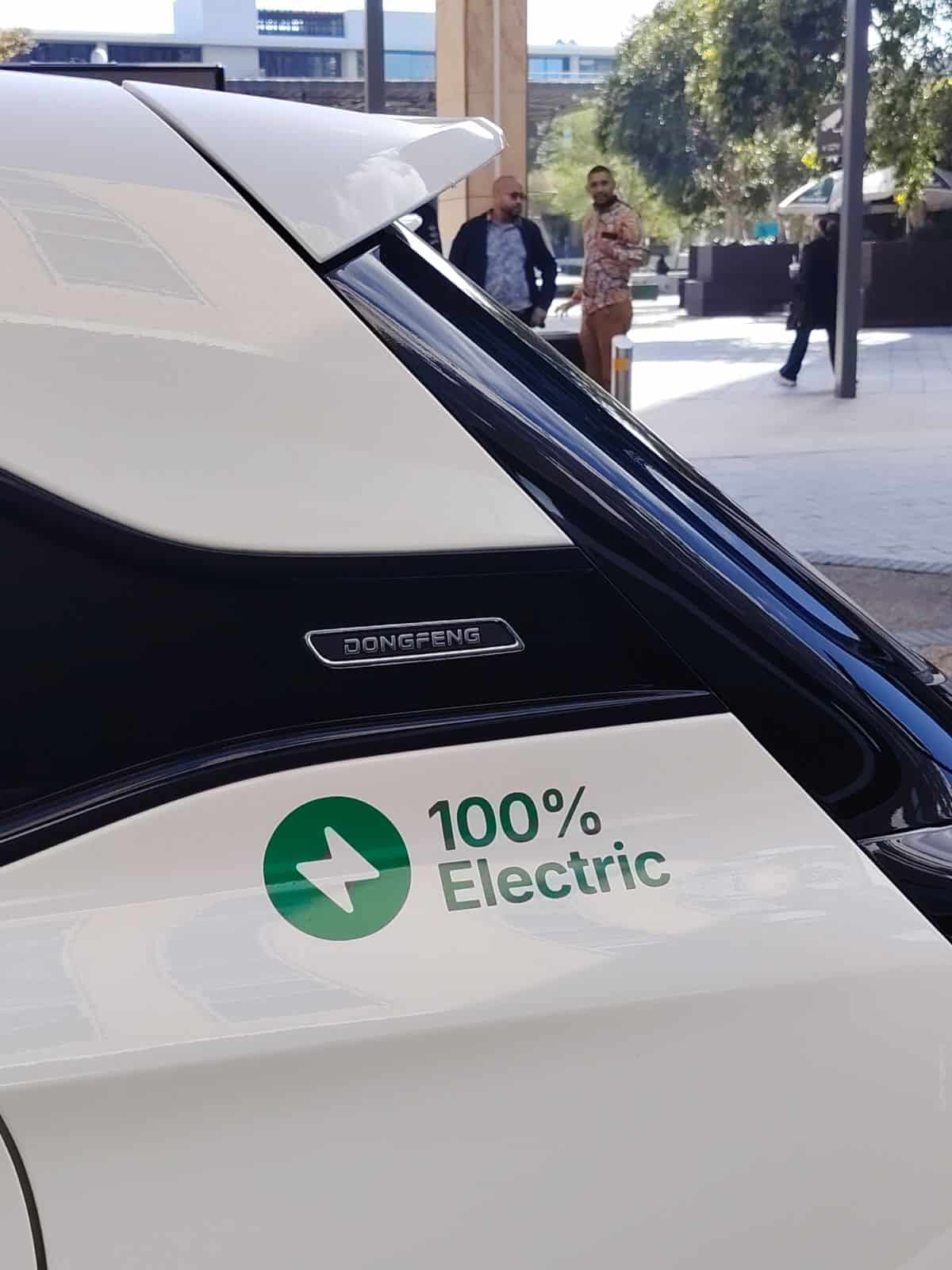
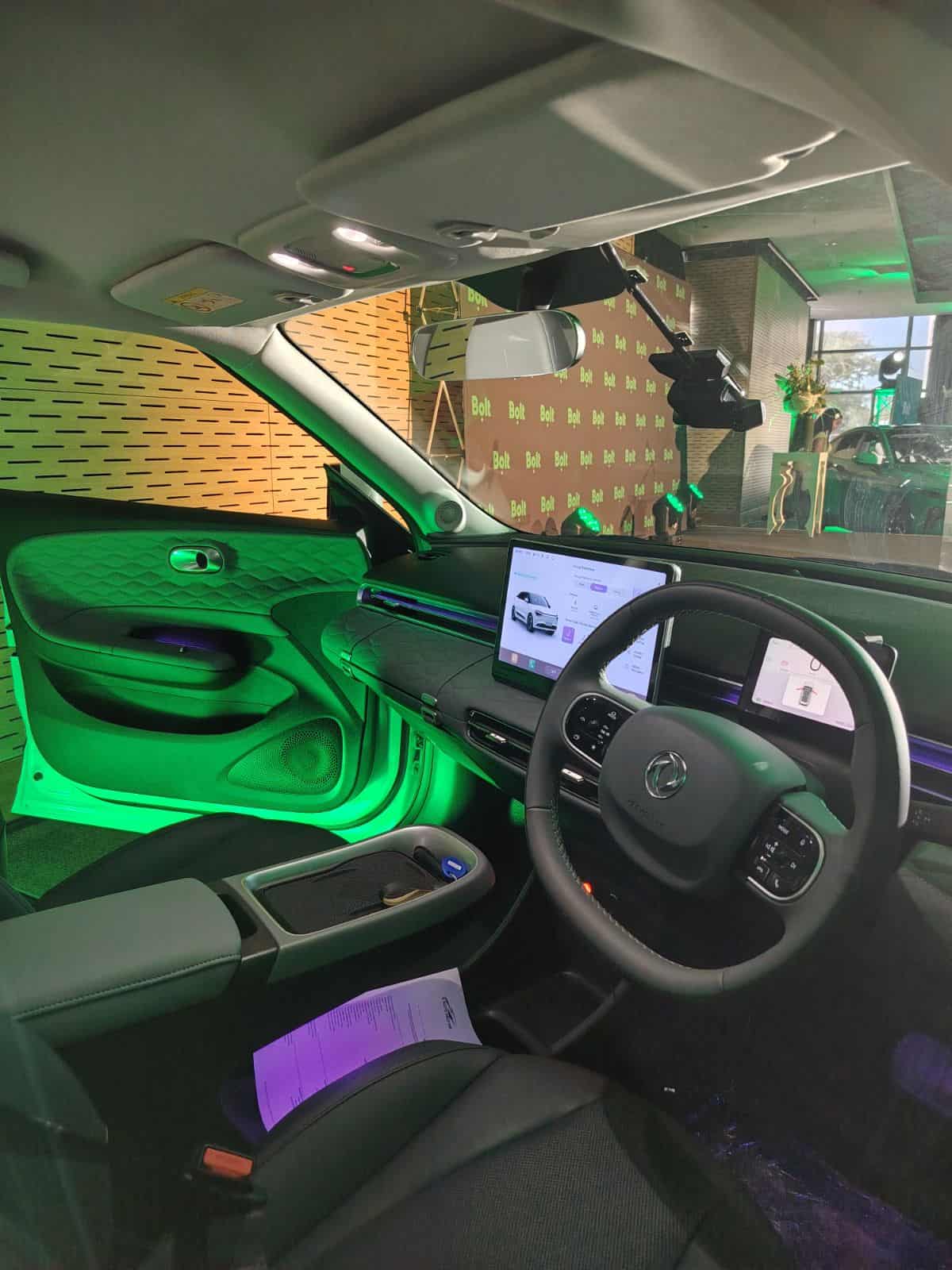

Caroline Wanjihia, regional director for Rides Africa and International Markets at Bolt, described the launch as a reflection of the company’s long-term confidence in South Africa’s mobility future.
“South Africa is one of Bolt’s most important markets globally, and the launch of our EV category reflects our long-term confidence in the country’s mobility future.
“We believe electric mobility presents an important opportunity not only from a sustainability perspective, but also from an economic one. By lowering operational costs and improving efficiency, EVs have the potential to create more sustainable earning opportunities for drivers while contributing to cleaner urban transport systems,” said Wanjihia.
She added that the rollout is part of a deliberate continental push.
“We are not simply talking about electric mobility in Africa – we are actively building it. We believe Africa has the opportunity to become a leader in innovative and sustainable urban mobility solutions.”
A fleet model built for scale
The partnership with YugoRide is central to how Bolt intends to make the EV category work in practice.
Rather than simply introducing electric vehicles into an existing framework, the model is designed around operational quality, driver support, and infrastructure. The company believes that these are the building blocks that fleet-based EV adoption requires to be sustainable over time.
William Huang, co-founder of YugoRide, said the company identified early on that the success of South Africa’s EV transition would depend on more than just the vehicles themselves.
“We recognised that if South Africa’s transition to electric mobility was going to succeed, it required more than just vehicles; it required infrastructure, operational support, and the right strategic partners. Together with Bolt, we are helping build that ecosystem from the ground up.”
For drivers, the shift to electric is expected to translate into tangible financial benefits, with lower operational and maintenance costs compared to traditional petrol or diesel vehicles.
What this means for passengers
For Bolt users in Cape Town, the new EV category offers the option of booking a cleaner, quieter ride. This also means a small but meaningful shift in how South Africans experience everyday urban transport. As the fleet scales toward the 500-vehicle target, the category’s visibility and accessibility are set to grow considerably.