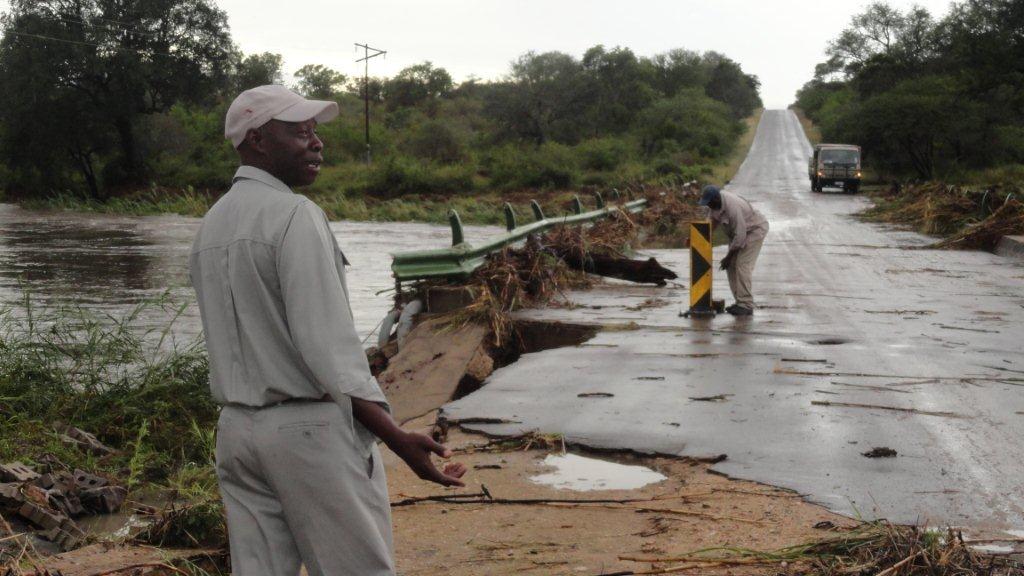
SKUKUZA – The Kruger National Park (KNP) is traversed from west to east by six major rivers, of which only the Sabie River is still perennial. Significant economic drivers of the country (mines, power generation, agriculture and urban development) are upstream of the KNP, and as a consequence, a key feature is that it suffers biodiversity threats in and along its rivers. Concern for the conservation status and ecological health of these rivers surfaced acutely in the mid-80’s.
As a result, the KNP rivers research programme was launched. It was a highly successful multi-disciplinary, multi-organisational programme aimed at addressing major concerns about water quantity and quality of perennial rivers flowing through the area.
The goals of the programme were firstly to inform researchers, system managers and stakeholders of the water quality and quality requirements to sustain the natural environment of rivers which flow through the park. A second goal was to develop, test and refine methods to predict the response of the natural environments of these rivers flowing through the park and southern Africa to changing water quality and patterns of supply.
The programme ran for the last decade of the ’90s and was widely acclaimed for a number of reasons. It raised awareness of the importance and very vulnerable condition of rivers and contributed significantly to knowledge around river issues (especially in ecosystem and biodiversity context). Researchers contributed to the formulation of the National Water Act, and the programme exploited, and partly brought about, major changes in cooperative governance concerning rivers in South Africa.
It led to many changes in thinking, even around terrestrial ecosystem management, and spawned further research programmes, notably the river/savanna boundaries programme, and the post-flood programme which arose after the catastrophic floods in 2000.
Source: The Water Research Commission – 40 years of excellence.