Mozambique seems to be lenient on rhino poachers
In the end they had each paid R100 per rhino that they had killed. Nobody from the original arresting team had been called to give evidence in a court case
NELSPRUIT – The Mozambique Government is being accused of not doing enough to combat rhino poaching.
Not only did it miss the deadline of submitting a report to the Convention on International Trade in Endangered Species of Wild Fauna and Flora (CITES) committee on its commitment to control the rhino-horn trade within its own borders, when the government finally handed it in, CITES described it as a “disappointment”.
What is even more alarming is the country’s seeming leniency towards poachers. A former high-ranking conservationist with 44 years of experience in the field – eight years of this in Mozambique itself – this week told Lowvelder a horrific story of how two poachers who he had apprehended in the neighbouring country in 2007, were free to go after having paid fines of only R100 per rhino which they had poached.
He wished to remain anonymous out of fear of victimisation.
Poaching incident in Mozambique: December 2007
He told the newspaper that he had been investigating a poaching incident in Mozambique near the Kruger National Park (KNP) border and went to a village to speak to an informant.
He heard SANParks’ helicopter flying up and down the border and as his vehicle came into view, the aircraft landed nearby as the occupants thought it was the poacher’s car they had been searching for.
It transpired that they were following up on a sighting of two poachers on the Mozambique side of Kruger’s eastern boundary. SANParks officials had the necessary authority to be in Mozambique and had a senior Mozambican border policeman with them. They were running short on fuel and asked the conservationist whether he could take over the search.
He said, thanks to great tracking by Renamo-trained game guards, they found the poachers’ vehicle and set a trap for them. They were arrested on their return to the car.
Evidence gathered against the suspects
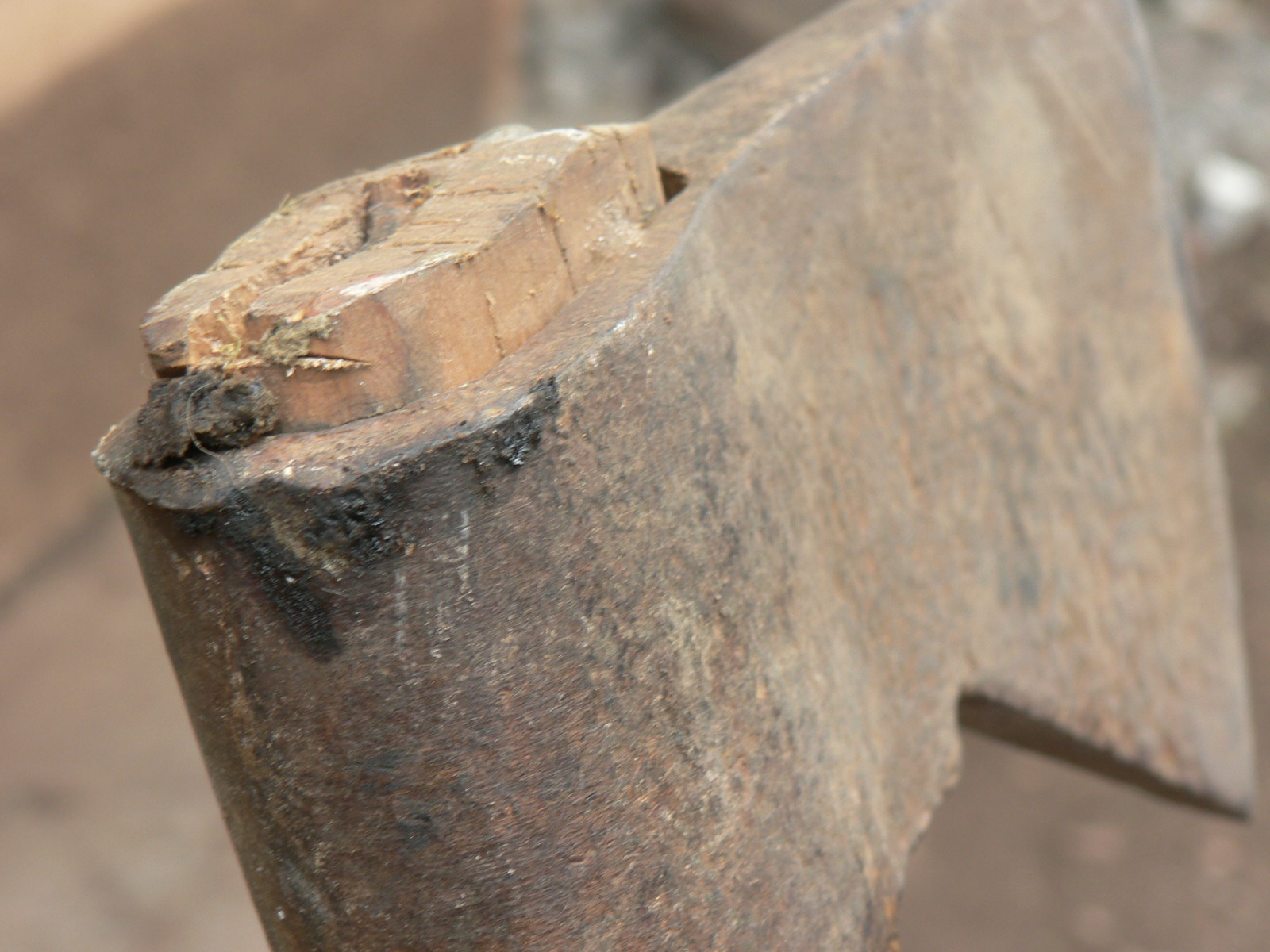
• Their vehicle had food, alcohol, night-poaching equipment, a shotgun with ammunition, painkillers as one of them had been bitten by a snake, as well as an axe with blood on it.
• They were in the possession of .458 and .303 rifles plus ammunition.
The investigation in Mozambique
At the border police base camp, which had been set up as a temporary one for the 2010 Soccer World Cup, they were thoroughly questioned, but would not say where the horns had been hidden. Thereafter the poachers were processed at Sabiè Police Station and transferred to the Moamba station the next day. The KNP helicopter came and picked up the conservationist and his team to search for any rhino carcasses.
Four of them were found on the Mozambican side and one on the KNP side of the border.
Metal detectors were used to search for bullets and .458 and .303 bullets were found. Charges were laid and the conservationist was convinced that they had all the evidence for a watertight case.
Three days later, he checked on the accused at the Moamba Police Station and went to Maputo where he delivered an explanatory letter regarding what had happened to the minister of agriculture as he oversaw nature conservation.
“As I had previously met the commander of police, I handed another letter to his secretary as he was not available, requesting his assistance in this case. I was then referred to the chief of Mozambique’s criminal investigations division’s head of detectives who, through an interpreter, proceeded to tell me how important wildlife, especially rhino, was to his country. He summoned his personal assistant and instructed her that ballistic, legal and forensic specialists must be instructed to investigate the case.
“That same afternoon I had a meeting with the chief judge and requested his assistance with the fighting of rhino poaching in their country. I also hand delivered a letter to the deputy president, highlighting the dangers of the poaching and requesting political assistance to curb this scourge in Mozambique.”
Walking away, scot-free
“That afternoon I returned home feeling confident that I had done everything a person could to ensure a successful prosecution. After a week, when no specialists or police had been to the crime site to investigate the case, I enquired from the police in Moamba as to what had transpired, and was told that the accused had paid the equivalent of R1 000 in meticais as a fine and that their firearms had been returned to them.
“In the end they had each paid R100 per rhino that they had killed. Nobody from the original arresting team had been called to give evidence in a court case. A few days later, an investigator from Kruger and I had a meeting with the commissioner of police of the Maputo Province to try and clear up why such a small fine had been imposed and why the firearm had been returned to the perpetrators.
“Files were called for and it was determined that the guns and ammunition were not registered and were therefore illegal. We left with no answer to the small fine and a promise that the firearms would be reclaimed.”
By December 2007, only 35 rhino had been poached in both Kruger and Mozambique. “If, at that stage remedial action had been taken, we could have saved many more rhino in the Kruger,” the conservationist concluded.