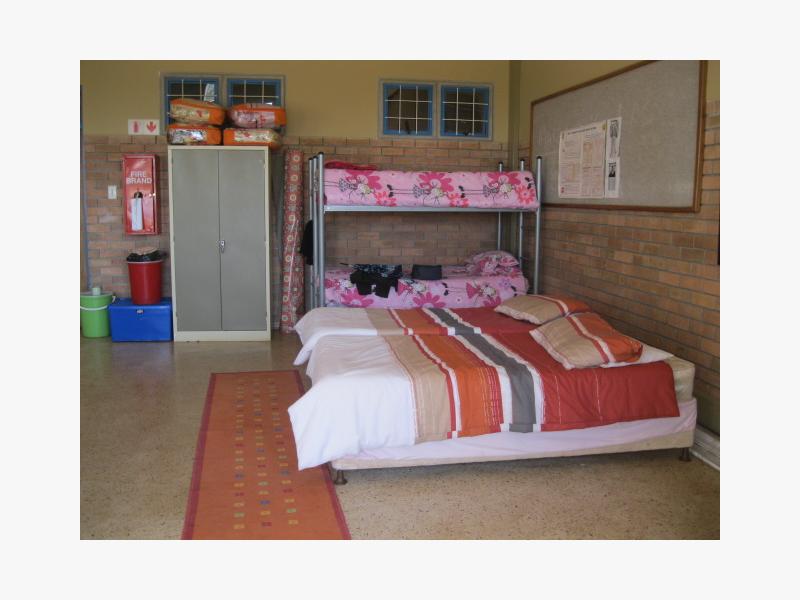
MBOMBELA – Abuse is a daily reality for a shocking number of people in the Lowveld. According to the latest statistics of the Greater Rape Intervention Programme (GRIP), 785 people visited their care rooms at hospitals and police stations in the Ehlanzani and Gert Sibande districts from January to April.
For victims who want to escape an abusive relationship, a place of safety is of the utmost necessity and that is why GRIP’s shelter is invaluable.
The shelter was established in 2010 as an extension of their care rooms and court intervention. The purpose is to provide short-term or temporary accommodation for abused women and their children. Through their work, GRIP learnt that not every woman is able to escape an abusive relationship, because they become codependant on their abusers.
The organisation believes that the shelter can be a useful service to accommodate and empower these women in order to make more informed decisions.
GRIP encourages young and old women, who find themselves in forced or arranged marriages, to seek help from GRIP.
The shelter provides care and support, ongoing counselling services, assistance with job hunting and skills development. Survivors can stay in the shelter for a period of three to six months.
Due to the limited space a maximum of 20 people can be accommodated at the shelter. To be placed, survivors need to have a social worker handling their case. If the shelter is full, GRIP will, where possible, help to find survivors another place to stay.
According to the shelter manager, the most important needs of the survivors at the shelter are food and clothing, skills and basic financial training and an exit plan.
While at the shelter, they also receive professional counselling individually and in groups. To strengthen the quality of services, the Department of Social Development is providing the shelter with a qualified social worker.
To ensure the safety of survivors at the shelter, there are no signs to identify the shelter and its location is not known to many people.
The shelter has already had to move three times because GRIP was only renting the building. They are urgently looking for a permanent venue to establish as the shelter.
It is run by trained volunteers, who work both day and night shifts. The shelter manager says their hard work is made worthwhile when they see survivors happy and smiling. “Watching them rebuild their lives from the broken pieces and showing a readiness to become independent and regain control of their own lives are wonderful,” she remarks.
The shelter is currently in dire need of curtains and would also appreciate donations of food, blankets, clothing and children’s toys.
People who are looking for ways to spend their 67 minutes of community work on Nelson Mandela Day, are welcome to come and paint, cut grass and trim trees at the shelter. Enquire at GRIP’s offices at 17 Ehmke Street or contact them on 013-752-4404.