The mystery of a granite mine
Abandoned granite quarry an eyesore in Krokodilpoort Nature Reserve
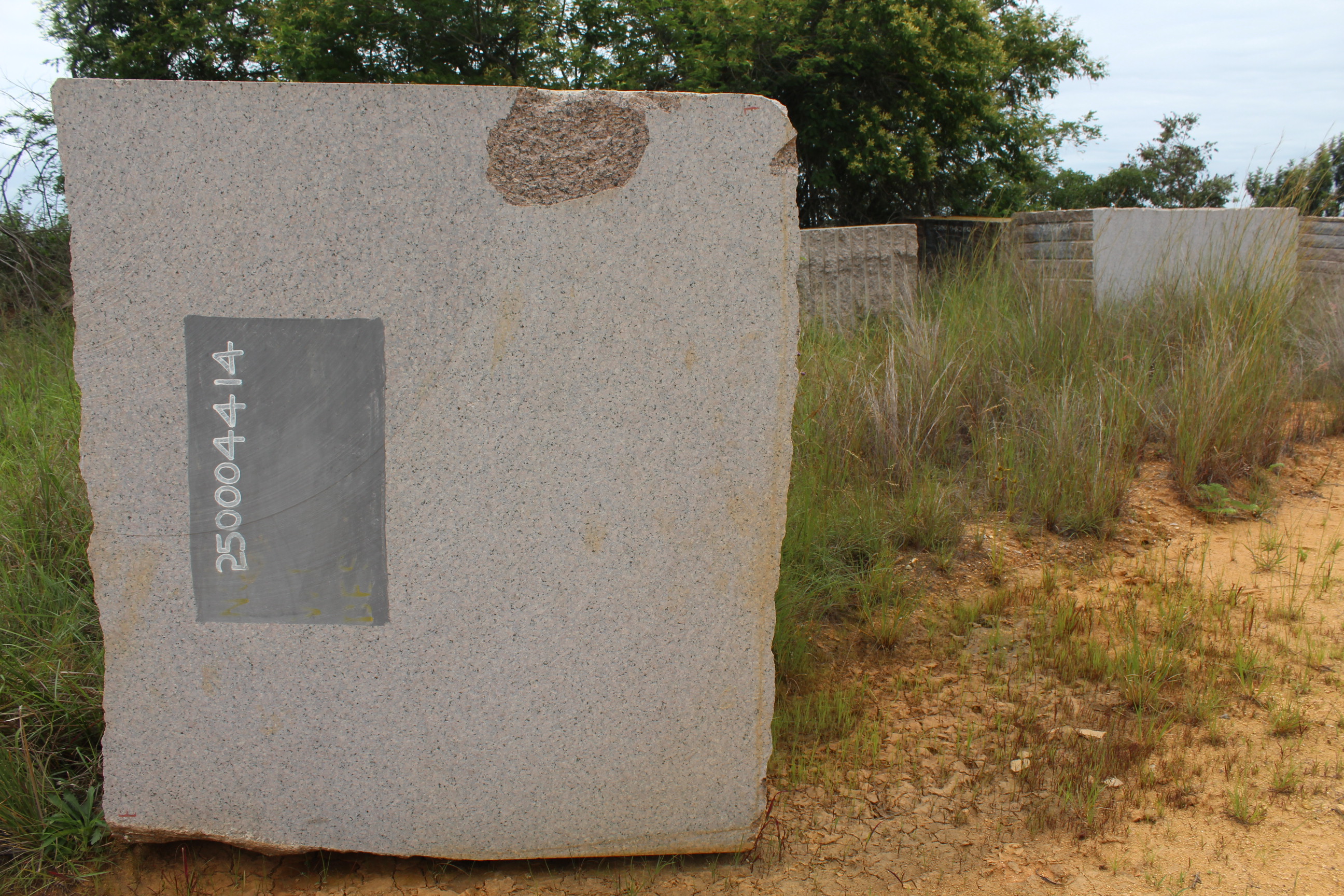
MARA – While searching for a indigenous wood high up in the mountains in this district, Lowvelder found an abandoned granite mine on top of the farm Moederlief. The remains of a quarry was quite clear and also its history.

Mining there commenced in 1992, and according to a neighbouring farmer, Willie de Klerk, many farmers tried to stop this mine from opening as they were afraid of the damage it would cause to this fragile area.
De Klerk described what the area looked like 20 years ago and how this mining operation changed its living conditions. “I still remember the blasting and the sound of a blade on this granite blocks in the cutting-up process. Some days it felt as if I would go mad because of that sound from early in the morning until late in the afternoon. It lasted for at least 10 years!”
Lowvelder counted more than 150 large blocks of raw granite which each weighed between 15 and 25 tons, at three different locations against the mountain on Moederlief Farm.


During a visit to the area the newspaper spoke to a botanist from a university who did not want to be identified. He told us that he counted 191 different indigenous tree species on the farm.
He had tried many times to travel to the area behind the mine, on top of the mountain, where people told him he would find several kinds of eagle nests as well as rare indigenous trees.

The Verreaux eagle, also known as the African black eagle, were also said to be found there and rumours were that he could expect to find the nest of a white-crested eagle. He wanted to explore indigenous wood in the same area as well, with rather rare trees, including real yellow wood, red currant, forest bush willow and the silver-leaf milk plum.

He tried on foot and by motorbike, but was unable to get to the right place due to erosion. Trenches at least three metres deep and wide made his task impossible.
Stone Haven which belongs to Christo Nel is situated next to Moederlief Farm. Nel said the road to Moederlief and the mine, ran across his property and that a lot of damage had been caused to the gravel roads by large mining vehicles removing the granite blocks.

Nel said, “They stopped mining in 2002 and since then I and others have been fighting to get the roads repaired. They are also responsible for damage to one of the dams on my property. They changed the flow of the water in the dam and during a huge storm in 2011, the whole dam wall collapsed. I want them to also fix that.”

The mine has changed from owner to owner. During negotiations in the early nineties, the owners were Marikana, later they sold it to Gencor which then sold to Kelgran Africa. The name of this mine seemed to have been called African Lilac.
But it looked like the mine changed hands once again after work there was stopped. It now seems to be part of Red Graniti, a business in Rustenburg in the North West.
The granite mined at the Moederlief quarry is known as Black Belfast, and is used to tile floors, walls and as inlays for furniture.

One of the managers at Red Graniti, Francois van Wyk, told Lowvelder that they would not mine on Moederlief again, as it was not economically viable to mine the type, colour and quality of dimension stone found in this quarry and that the company was unlikely to reopen the mine.
On the question of rehabilitation, van Wyk answered, “Rehabilitation of the mountain top area is substantially complete. The open quarry face must still be sprayed and the intact blocks which are stored on the property, either sold or worked into the waste dump as for the rehabilitation of the surface.”
About the damage to the dam on Stone Haven, van Wyk said it was not as a result of any action (or omission) by the company, but due to exceptional flooding in the area during early 2011.
Before the mining operations started, the whole area had been proclaimed as a conservation area, called Krokodilpoort Nature Reserve.