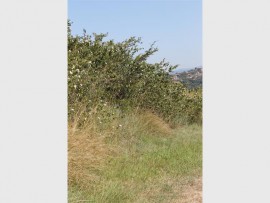
Alien weed killing indigenous species
The main problem with lantana is that it competes with and replaces indigenous species.
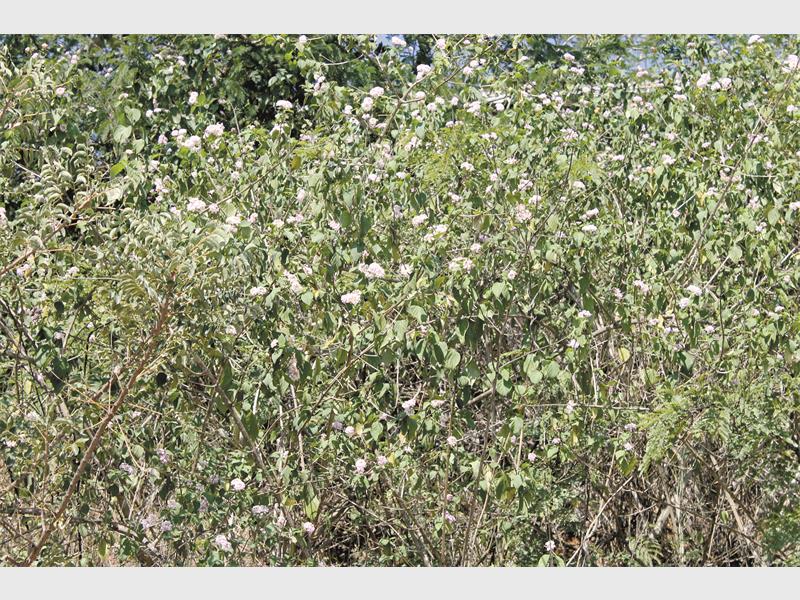
MBOMBELA – The excessive growth of lantana has taken over many areas in the city, which is currently creating a massive ecological problem.
The weed has been steadily surfacing throughout the Lowveld for a number of years with the municipality’s parks and environmental services as well as Working for Water responsible for cutting and spraying it on a regular basis.
The Lantana camara, as it is known scientifically, was officially placed on the National List of Invasive Species in terms of Section 70 (1)(A). It also falls under the Conservation of Agricultural Resources Act, Category 1 plants, which means that landowners are legally obliged to control this species.
According to Ms Suzette van Staden, a Lowveld resident, the lantana is creating a massive problem which the community should also take responsibility for.
“We cannot wait for government to get rid of it alone. What would be ideal is if we create teams which can maintain and eventually eradicate this weed.”
Van Staden also feared that it might almost be too late to save the indigenous vegetation in the area. “The lantanas are busy destroying our natural vegetation and we will need to work together as a community to stop this problem. Everyone will need to put their hand up,” she said.
Another local, who wanted to remain anonymous, was also predicting a major problem for the city in the future if the weed continued to get out of hand.
“Lantana are spreading everywhere and nobody is doing anything about it. These weeds are creating an ecological disaster,” he said.
The main problem with lantana is that it competes with and replaces indigenous species.
The suppression of indigenous species interrupts regeneration processes and reduces biodiversity of natural ecosystems. The weed is also poisonous to humans and animals and responsible for livestock mortalities which has a damping effect on the economy.
One of the big problems currently is the lack of capacity in the employment of workers to properly manage lantana.
At the moment the municipality has no teams currently working on it and other alien-invasive species.
“From July, environmental services will start assembling teams to clear the weed as part of a project in conjunction with the Extended Public Works Programme. Previously it was Mbombela Parks’ responsibility but this task has now shifted,” according to Mbombela municipality’s communication officer, Ms Bessie Pienaar.
The lantana dilemma
• Lantana can be controlled by either manual or chemical means
• Biological agents have been released in the past for the control of the weed. These include leaf-mining beatles and seed flies, among others. The problem is that these insects cannot succeed on their own, thus an integrated approach must be implemented
• Lantana is a perennial plant and will regrow after being cut, hence it must be uprooted
• Soil disturbance can also be an issue in the removal of the plants as this can lead to reinfestation of opportunistic weeds such as the cat’s claw in recent months. Soil, stump and foliar-applied herbicides can also be used for the removal of lantana
• There is also a debate on the cost and labour effectiveness of slashing and uprooting as opposed to slashing and the application of herbicides to stumps.