Encephalartus cycads the most threatened plant group in SA
There are less than 100 plants left in the wild for seven of the Critically Endangered Encephalartus cycad species, and four are on the brink of extinction.
PRETORIA – The biodiversity Management Plan (BMP) for eleven critically endangered and four endangered cycad species have been gazetted for public comment.Government Gazette No. 38844 (Notice 503 of 2015) was filed by the Department of Environmental Affairs (DEA) for the next 30 days.
The draft BMP is in line with the National Environmental Management: Biodiversity Act, 2004 and the NEM:BA Norms and Standards for Biodiversity Management Plans for Species (BMP-s)
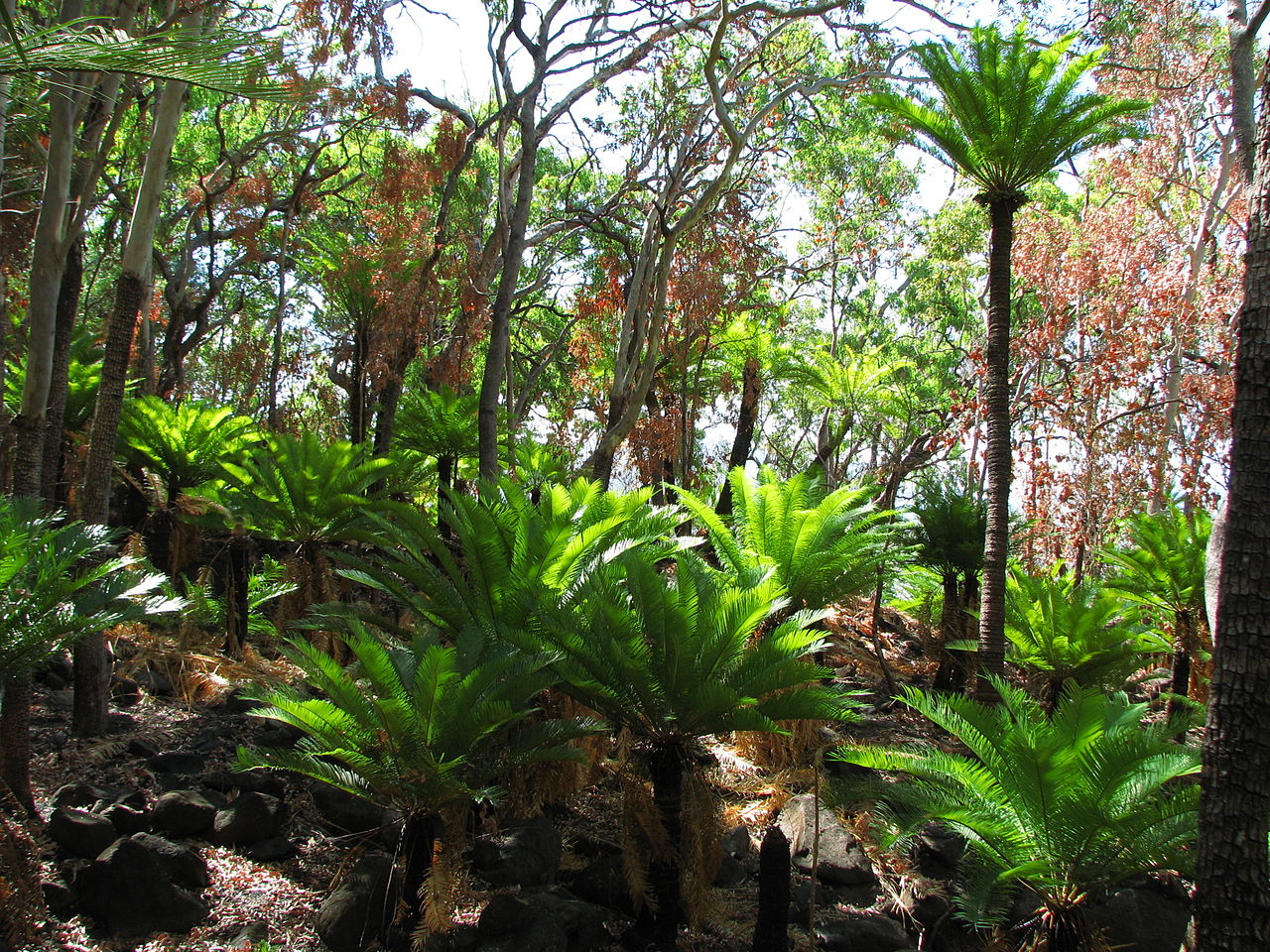
The Encephalartus species of cycads are collectively the most threatened plant group in South Africa.

Of the 37 Encephalartus species that occur in South Africa, 12 are regarded as critically endangered, while an additional three are already considered extinct in the wild.

There are less than 100 plants left in the wild for seven of the critically endangered species, four species of which are on the brink of extinction.
A further four Encephalartus species are regarded as endangered.

The predominant threat facing cycads is the ongoing illegal collection of wild cycads for horticultural and medicinal purposes Encephalartus species are used for traditional medicine across South Africa with some species also traded in traditional medicine markets.
In recent years bark harvesting for the medicinal trade has increased and this has resulted in declines in wild populations with complete loss of some populations.
The aim of the Biodiversity Management Plan for Species (BMP-S), of which the development was led by the South African National Biodiversity Institute (SANBI), is to ensure the long-term survival in nature of the 15 Encephalartus species.
In this BMP, long-term survival is interpreted as halting the decline of the in situ populations, and thereafter attaining a population growth that will results in the down-listing of the species in terms of its conservation status in the IUCN Red List.

Through the establishment of a steering committee and a series of consultations with stakeholders ranging from state institutions to collectors, industry and landowners, overarching principles and operational guidelines were identified to govern the successful implementation of these biodiversity management plans.
Management aims listed in the plan, which are applicable to all 15 species, include an increase in protection of wild cycads, essential research and the effective management of confiscated cycads and fixed collections.
Specific objectives, actions and recovery targets have been established for the 15 species, ranging from surveys to determine the current status of the population, to identification of secure sites for the reintroduction and the proclamation of areas as Specially Protected Areas to which seedlings can be securely introduced.