
Locals demand services at Limpopo Exco Imbizo
Others complained about the Praktiseer’s home affairs offices which they claim were built next to a liquor store. Residents said the service was poor at the offices.
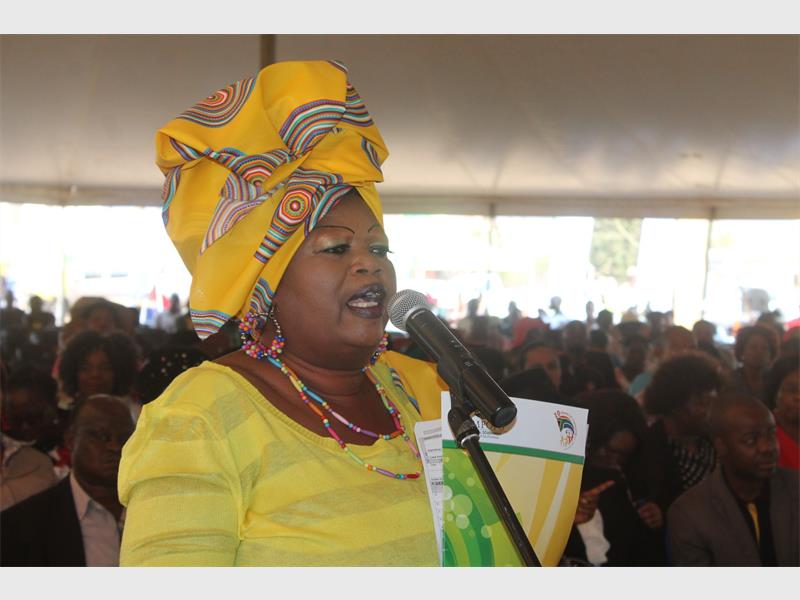
DRIEKOP – The Limpopo Government still has a long way to go in ensuring locals acquire services, this was evident when the premier Mr Chupu Stanley Mathabatha led his members of the Executive Council to the Exco Imbizo Programme held at Gowe village last Friday, August 28.
The occasion was attended by more than a thousand people who had the opportunity to raise issues of concern at their villages.
Most highlighted backlogs in electricity, need for housing, bad roads, the high crime rate, lack of job opportunities, lack of skills development, and other social skills.
Local resident Ms Thabitha Thobela representing Frans community revealed that their village lacked running water and electricity. “We are utilising the filthy Pororo River, and every time we go there to fetch water, criminals try to rape us,” she said. Thobela pleaded with the government to ensure they get clean water and electricity.
Others complained about the Praktiseer’s home affairs offices which they claim were built next to a liquor store. Residents said the service was poor at the offices.
Locals warned the premier that if he did not bring services to the people, he ran the risk of losing voters to other opposition parties in the 2016 local government elections.
In his response Mathabatha promised locals that his government would work hard to bring services to them. He promised his government would continue to interact with communities through Exco outreach programmes.
“It is in this context that some service delivery improvements were made.” The premier also used the event as an opportunity to officially close Women’s Month programmes.
The imbizo programme is part of government’s commitment to give feedback to local communities. This feedback session forms part of the government’s intention to strengthen intergovernmental relations and promote interaction between the provincial leadership and the people to improve the lives of residents.