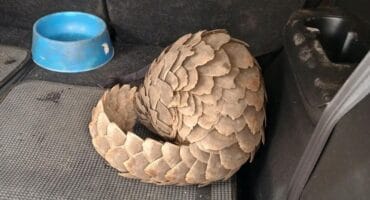
Snares can prove deadly to wildlife and pets
Snares are a big problem in the Lowveld, especially in areas with an abundance of wildlife. Hazyview is no exception as they are found all along the R40, as well as on farms in the Kiepersol area.

The Mpumalanga Animal Crime Watch (MACW) is a non-profit company that aims to prevent poaching by finding and removing snares and rescuing caught animals. It has been active in the Lowveld for the past three years.
Founder Jaco Klopper, who does most of the locating and removal of snares, says these traps are a great danger to free-roaming wildlife as well as unfortunate domestic animals. In April, Hazyview Herald reported on a Rottweiler which had been caught in a snare in Kiepersol and badly injured.
Klopper has lost count of all the traps he has removed and has been bitten more times that he can remember, but says he’ll continue to do his job until all snares are removed and poachers are behind bars.

Snares mostly consist of branches and sticks combined with electrical cable or thick fence wire, which can cause a lot of damage to unwary animals.
To illustrate how big the problem is, Klopper explains that he found 131 on a property in one morning.
An entry on the MACW website from September 5 reads, “We have done a search and rescue on the R40. We found 23 snares and one animal caught in a snare. We have done groundwork on six properties on the R40 and lifted more than 500 snares (2015). Shocking.”
MACW also works with the local SPCA branches and the Mpumalanga Tourism and Parks Association (MTPA) to ensure the right channels are followed to help animals and arrest poachers. Klopper says he’ll soon go to clear the Hazyview-Kiepersol Conservancy, which has a problem with snares and poachers and he hopes to educate more people about this issue.
MACW is based in Mbombela but covers the areas along the N4 and R40, as well as Pilgrim’s Rest and Sabie.
Klopper is currently operating through fees paid by regular clients and supporters but hopes that the last of the organisation’s paperwork will soon be sorted out, enabling him to receive funding from supporters to expand the services and reach.
Besides being in need of funds for the day-to-day operations, he also hopes for enough funds to get a vehicle that will handle being off-road better than his current little car and to get essential equipment like a GPS, first-aid kits and sturdy gloves.
MACW has a network of both local and international supporters, who follow its social-media accounts.
Klopper says he has found that most poachers catch wildlife commercially and sell the meat at butcheries in the rural areas. Some don’t even go to check their traps, leaving caught wildlife to die and rot in the veld. In his experience poachers also tend to commit other crimes such as robberies and theft.
Besides catching poachers and removing snares, MACW also occasionally undertakes the search and rescue of pets if Klopper is familiar with the area.
He has an 85 per cent success rate but says that every situation is unique.
He recommends that people who come across snares or animals caught in them, call in professionals to deal with the situation. “These animals are scared, hurt and hungry and they can really hurt you. Every animal reacts differently and each situation is unique, so there’s no sure-fire way to handle it. If you feel you really need to help, wear long, thick leather gloves, to avoid their teeth or claws drawing blood.”
People interested in learning more about MACW or making a donation can visit the website, www.macw.co.za, which has links to the YouTube channel with a variety of videos, Facebook page with regular updates or view photos on Pinterest.