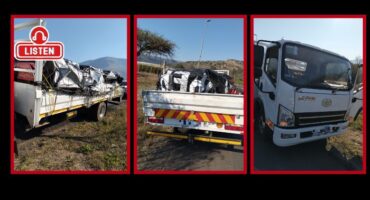
KNP to continue to give meat to communities
There was an outcry recently on when the KNP made it clear that meat gifts are the way forward.
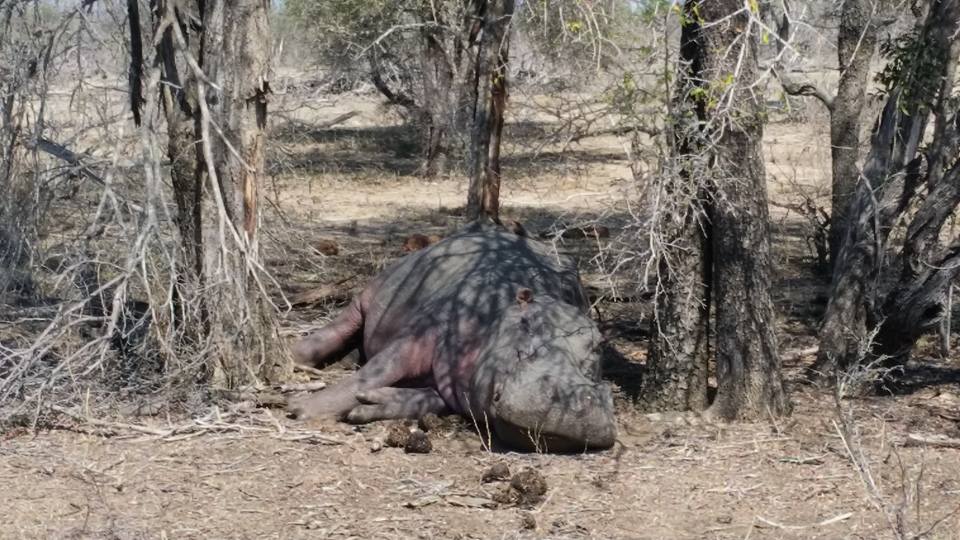
SKUKUZA – The Kruger National Park (KNP) intends to continue culling animals even beyond the drought, and to give the meat to surrounding communities.
SANParks denies that it is culling the animals in order to feed poor communities living around the park.
“It is a resource that became available as result of a management programme, which we share with communities,” said Mr William Mabasa, acting head of communications.
Mabasa explained to Lowvelder that the process of culling and giving meat gifts to the communities were initiated because of the drought, but that the KNP “will continue with it after the drought as part of sustainable resource utilisation practise”.
“We have been surprised by the increase in biomass in Kruger over the past decade and a half and want to test bringing back the human factor as an ecosystem driver as it used to be for thousands of years,” he said.
More than 70 hippos and 104 buffaloes have been culled this year.
More or less 300 kilograms of meat (without bones) can be made available for processing from one buffalo, while 800 kilograms of meat is available for processing from a hippo. Buffalo meat sells at anything from R70 per kilogram.
According to Mabasa, future culling will be scientifically based on census figures. “The number of animals still to be culled is not cast in concrete, purely as it is not possible to determine how the situation will unfold as the drought further develops.”
In a press release SANParks has committed to the distribution of meat for which 350 animals will be culled “during this drought,” for the programme.
Mabasa pointed out that raw meat cannot leave the park unprocessed. The Skukuza Wildlife Products Section Abattoir processes the meat and will remain functional during the festive season.
The state veterinarian in the KNP, Dr Louis van Schalkwyk, told Lowvelder that no raw buffalo meat may be given to communities as the KNP falls in a foot-and-mouth disease area.
Hippo meat does not have to be processed to be distributed.
He said he was only aware of buffalo biltong being given to schools in the communities.
Mabasa emphasised that the management of the KNP felt there has been enough transparency around the issue and that nothing was hidden from the public.
“We manage the KNP according to an approved management plan where the general public was extensively consulted. Sustainable resource use and community beneficiation is part of our management plan,” he said.
The management plan is available on the KNP’s website. There is, however, still not a specific model that the KNP is using for distribution of the meat.
“This is new to us so we are testing different models,” said Mabasa. He referred to other sustainable efforts from which communities are benefiting like projects around molala palm seeds, mopane worms, pepper-bark tree distribution, seed collection and thatch grass.
He concluded that public information meetings will soon be held to discuss policies around culling and meat gifts to the communities.