Kruger rhino orphan taking to her bottle milk
Statistics released earlier this week indicate South Africa might lose more than one thousand rhino for the fifth straight year in a row. Care for Wild Rhino Sanctuary earlier this week took in another Kruger National Park rhino orphan after her mother was poached in the Park.
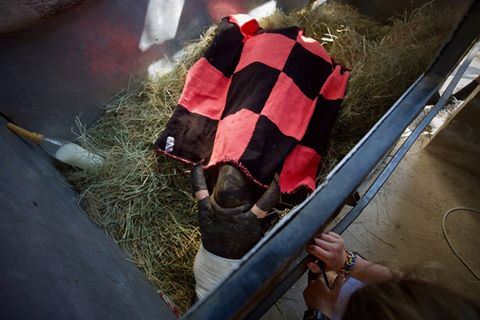
MBOMBELA – Care For Wild Rhino Sanctuary founder Petronel Nieuwoudt confirmed to Lowvelder last night that the new rhino orphan who arrived earlier this week from the Kruger National Park is doing “well and is also learning quite quickly how to drink milk from the bottle.”
Nieuwoudt earlier called her “a fighter” and have high hopes that she will make it through this critical stage.
She was very dehydrated on arrival and was placed on an IV drip. Nieuwoudt said she was exhausted from the stress of losing her mother, as well as from the drugs that were used to sedate her.
SEE HOW CPR saved a rhino orphan’s life at Care for Wild Rhino Sanctuary

She was monitored and later a milk bottle was used to feed her.
It is imperative that newly orphaned rhinos start drinking their specialised milk as soon as possible to get much needed nutrition back into their system. She very quickly mastered the art of drinking form the bottle.
READ more about how black rhino orphans will soon be feasting away at Care for Wild Rhino Sanctuary
She doesn’t have a name as yet as some of her orphan counterparts at the sanctuary, but is doing well under a blanket donated by a group who knits blankets for baby rhinos. Nita Danielz Eyre-Smith delivered one of the blankets of the group to keep her warm.

Statistics released earlier this week by the IFP’s Chief Whip in the National Assembly , Narend Singh, indicate South Africa is on track to lose more than one thousand rhino for the fifth straight year in a row.
Singh said 483 mortalities have been reported nationally in the first five and a half months of 2017. In KwaZulu-Natal, the upsurge in poaching rate had already surpassed 2016’s record figures by more than double.