What you need to know about pregnancy and the immune system
Well-known British singer Mary Mason once said, “A baby is something you carry inside you for nine months, in your arms for three years, and in your heart until the day you die.”
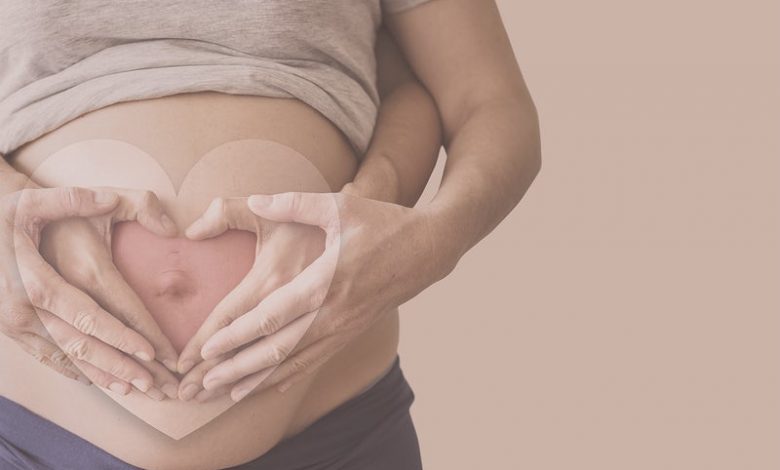
The role of nutrition in strengthening the immune system has been the focus of many studies over the years.
The immune system is your body’s natural defence system. It is an intricate network of cells, tissues, and organs that work together to defend your body against invaders; invaders that can include bacteria, viruses, parasites, or even fungus, all with the potential to make us sick. Your immune system works all year round to ward off all kinds of illnesses.
But what happens to the immune system when you fall pregnant? Are there ways to naturally boost your system during this?
The immune system and pregnancy are very much interconnected, with your immune system undergoing some very intense changes when you are pregnant.
So fascinating are the highly orchestrated changes in the immune system throughout pregnancy that the Stanford University School of Medicine conducted the first-ever study into the meticulously timed immune system changes in women that occur during pregnancy.
The results, which were published in 2017, revealed that there is an immune clock of pregnancy and that the timing of immune system changes follow a precise and predictable pattern in normal pregnancy.
These results may be a step towards understanding why some babies are born prematurely and how this can be prevented, by researching why someone’s immune system is not adapting to pregnancy the way it is expected to.
While these changes can help you to fall pregnant, stay pregnant and deliver your baby, they ironically can also make you more susceptible to illness.
ALSO READ: One in 28 women is affected by breast cancer in South Africa
This is because changes in hormone levels and immune system function can make you more vulnerable to infections and complications. During pregnancy, different parts of your immune system are enhanced while others are suppressed.
These changes also help protect your baby from your body’s defences and mean that during pregnancy, your immune system has to work harder since it is supporting two of you. This makes you susceptible to certain infections.
These changes in the immune system during pregnancy make pregnant women (and those up to two weeks postpartum) more prone to severe illness from flu which is why many healthcare experts recommend that pregnant women get the flu vaccine.
Consuming the right nutrients is important at every stage of life, but it is especially critical during pregnancy, as pregnant women need to nourish both themselves and their growing babies.
Vitamins and minerals support maternal and foetal growth at every stage of pregnancy and are required to support critical functions such as cell growth.
Hannelise Rademan, a registered dietician currently volunteering at Worcester Provincial Hospital in the Western Cape, reiterates that vitamins and minerals can be seen as building blocks to strengthen your immune system. “These building blocks include vitamins A, C and D, minerals such as zinc and omega-3 fatty acids,” she says.
When you are pregnant, a healthy diet should include the right balance of carbohydrates, proteins, and healthy fats, as well as micronutrients like iron, folate, calcium, and vitamin.
Many health experts globally recommend that all pregnant women take a prenatal vitamin and folic acid supplement. This is advised to fill nutritional gaps and also to prevent birth defects, like spina bifida.
A prenatal vitamin, such as PregOmega Plus, which is South Africa’s number-one prenatal choice, not only contains 500 micrograms (mcg) of folic acid, but also added omega-3, calcium, zinc, vitamin D, vitamin C, magnesium and other vitamins and minerals which all have a myriad of benefits for both the mother and her growing foetus, some of which are mentioned below.
Calcium’s key function is to ensure the proper growth and structure of teeth and bones. Low calcium intake throughout life, and particularly in periods of rapid growth such as pregnancy, increases the risk of osteoporosis later in life, particularly after menopause.

During pregnancy, women require an additional 15mg of vitamin C per day. Vitamin C is an essential micronutrient for ensuring good dental health for the pregnant woman and her foetus, as it plays an important role in the development of healthy gums.
Vitamin D has an important function in assisting the body to absorb calcium and phosphorus. It is also an important nutrient for optimal immune function, maintaining healthy skin and muscle strength. A vitamin D deficiency in a pregnant woman is an important risk factor for the development of osteoporosis later in life.
Magnesium is a micronutrient that plays a role in regulating the function of other minerals, including calcium and potassium. It is associated with maintenance of overall good health and plays a role in helping to metabolise carbohydrates, fats and proteins as well as contributes to the reduction of tiredness and fatigue.
Zinc plays a role in regulating how genes and genetic traits are replicated in the DNA. It also importantly plays a role in the maintenance of immune function and contributes to normal cognitive function.
Omega-3 fatty acids play a role in the maintenance of overall good health and are important components of cell membranes, including the membranes of cells which form the eye, and the central nervous system.
Rademan recommends we should stock up on a variety of foods according to their nutritional benefits.
These include:
• Vitamin A: Sweet potato, kale, broccoli, bok choy and spinach
• Vitamin C: Red peppers, berries and citrus fruits
• Vitamin D and pmega-3 fatty acids: Fatty fish (salmon, trout, sardines and anchovy)
• Zinc: Lean meat, chicken, whole eggs, fatty fish, wholegrains and pumpkin seeds
• Magnesium: Green leafy vegetables (eg spinach and kale), figs, avocado, banana and raspberries, nuts and seeds, black beans, chickpeas and kidney beans, peas, broccoli, cabbage, green beans, artichokes, asparagus, brussels sprouts, salmon, mackerel and tuna
“It is also important to keep in mind which foods not to consume in excess during pregnancy, including too many vitamin A-rich foods, ” she says.
While a healthy diet can certainly boost your immune system, remember too that plenty of sleep, moderate exercise and staying hydrated are also very important. “Sleep is the time our bodies need to rest and repair, particularly in deep sleep,” Rademan says.
Speak to your doctor or a dietician about your nutritional needs and a suitable supplement to take when pregnant. Go to https://pregomega.co.za/ for more information.
ALSO READ: Excessive salt consumption taking its toll on South Africans’ hearts