Northam Booysendal brings water to Ga Maphopha
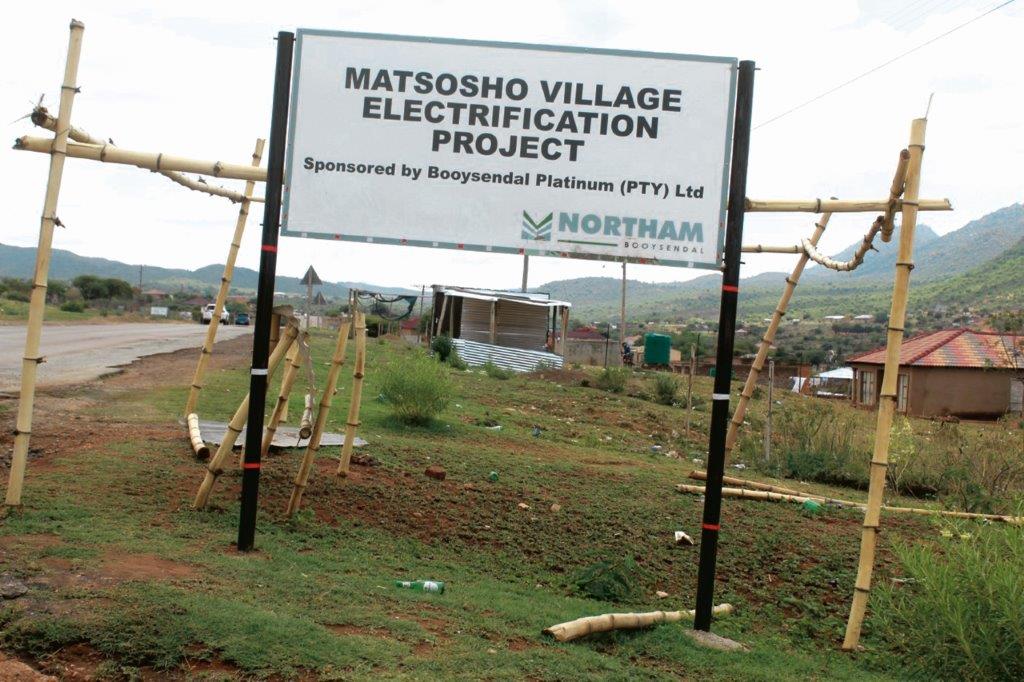
The days of fetching water from rivers and streams is a thing of the past at Ga Maphopha Village. Northam Booysendal Mine officially handed over the Matsosho Reticulation Project (a R12,8 million project) to the Sekhukhune District Municipality (SDM) last Thursday.
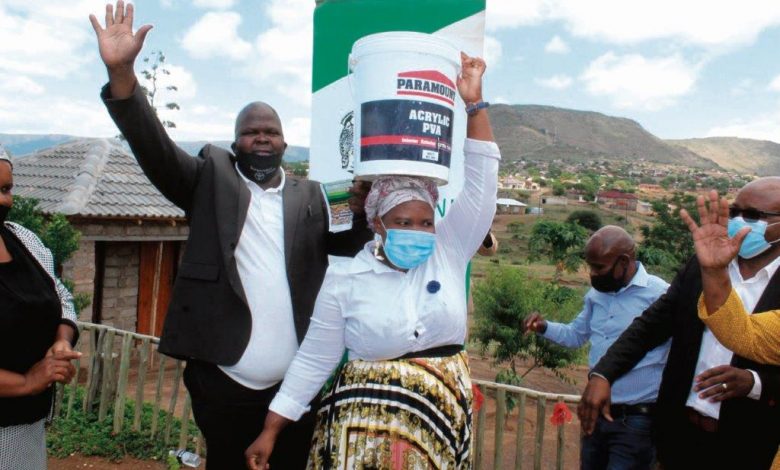
The ceremony was at the Maphopha tribal offices, under strict Covid-19 regulations. The event was attended by the mine management, including general manager (GM), Mosala Letebele, stakeholder engagement manager, Peter Lentswane, human resource manager, Ziningi Shezi, Fetakgomo Tubatse mayor, Ralepane Mamekoa, SDM’s acting mayor, Samson Nkosi and the local chief, Kgoshi Hlabirwa Maphopha.
Residents had been struggling for years without water, resulting in community members travelling long distances to fetch this important resource. The project was another important confirmation that water is indeed life and that Booysedal recognises its importance in the lives of communities.
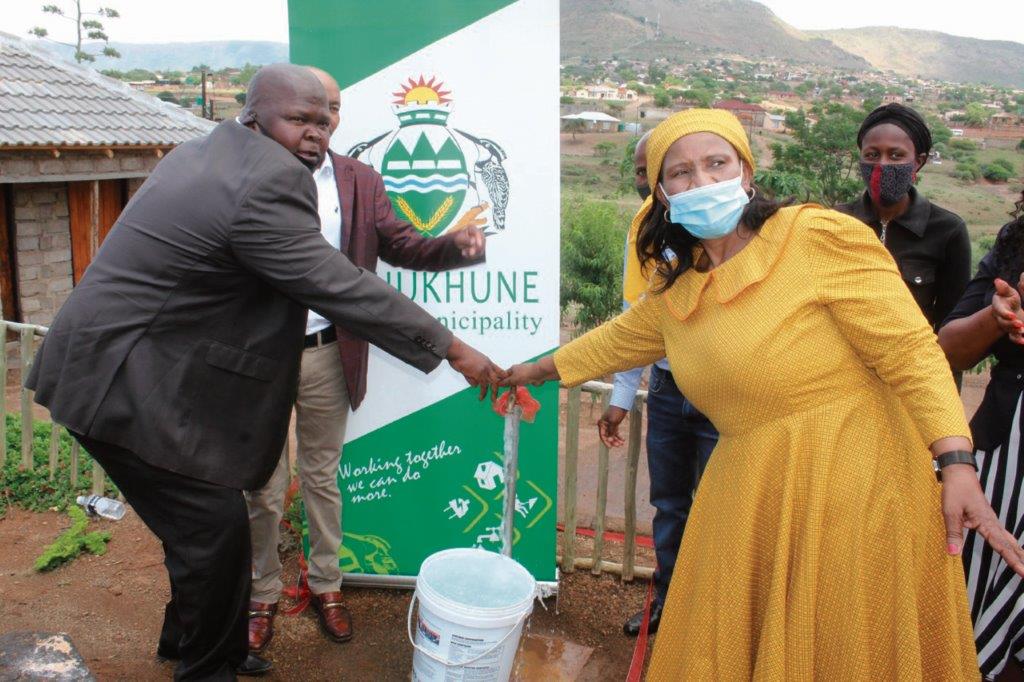
From this intervention, 522 households will have potable water within the village of Maphopha. Speaking at the event, Letebele reminded locals that Northam Booysendal cares about local communities. “Our mine hires 91 per cent local staff. A fortnight ago we also handed over a state-of-the-art science lab to Gobetse Secondary School.
We wish to see the lives of locals changing for the better.” On the Matsosho Reticulation Project, Letebele revealed, “The water infrastructure is inclusive of the drilled and equipped borehole, including the water pipeline which resulted in an improved service delivery in relation to the allocation of water.
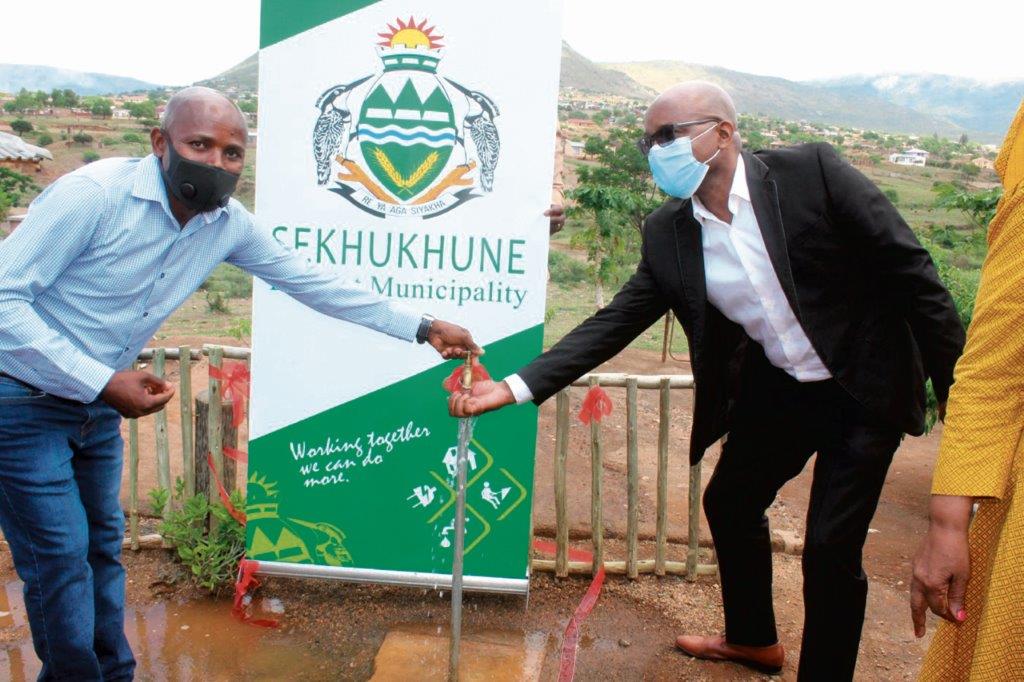
The total construction cost more than R12,8 million. The scope of work includes the installation of water reticulation pipes, water meters, installation of a 350 000-litre ground steel tank, ground water development and well equipping, construction of bore hole pump house and installation of pumping equipment. We also installed an electricity transformer. “Booysendal is grateful to the role players FTLM, SDM and the communities.
It is our view that the success of this project rested on the great efforts made by all stakeholders during the implementation of the project. An investment in clean drinking water is an investment in sustainable livelihood and health of our mining communities since water is life.”
Listening to the beneficiaries telling their tales about their previous daily struggles, Nkosi assured them that their challenges were now in the past as government will continue to work with stakeholders to deliver services for communities, especially safe and clean water.
Communities expressed gratitude for the project which they said has changed their lives for the better. “The availability of water is bringing other opportunities and the possibility to have other services that can benefit communities such as waterborne sanitation systems. This is an excellent project by the mine. The quality of the work done is top- notch. We are indeed pleased with what the Northam Booysedal has done to this village.
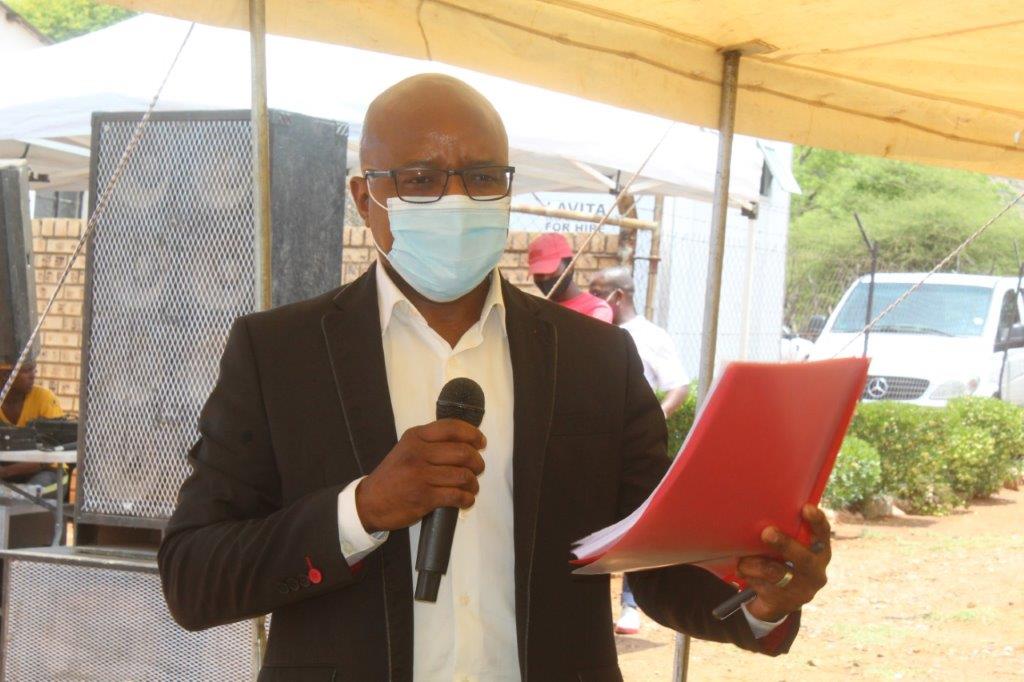
We urge other mines to adhere to the social labour plans and assist with other services to our communities. As a water authority we will take good care of the project,” said Nkosi. Small-scale farmers also sang songs and danced as they would be able to ensure their livestock is able to get water.
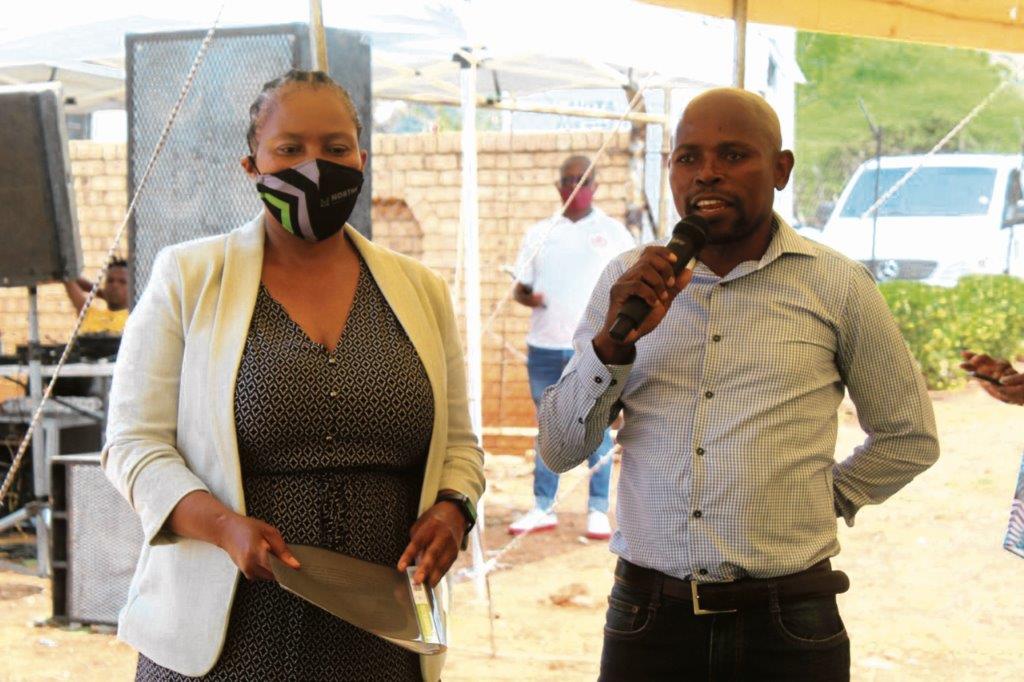
Jeanette Magoroshane, a community member, told Steelburger/Lydenburg News that she will be able to have her own garden in her yard. “Since the completion of the project I have beautified my yard with flowers. I am also in the process of erecting a small garden for vegetables.
We thank Booysendal for this good deed.” Communities appreciated that during construction period of the project, locals were provided with employment, thereby reducing poverty and unemployment. Besides local people employed on the project, part of the work was subcontracted to locals.
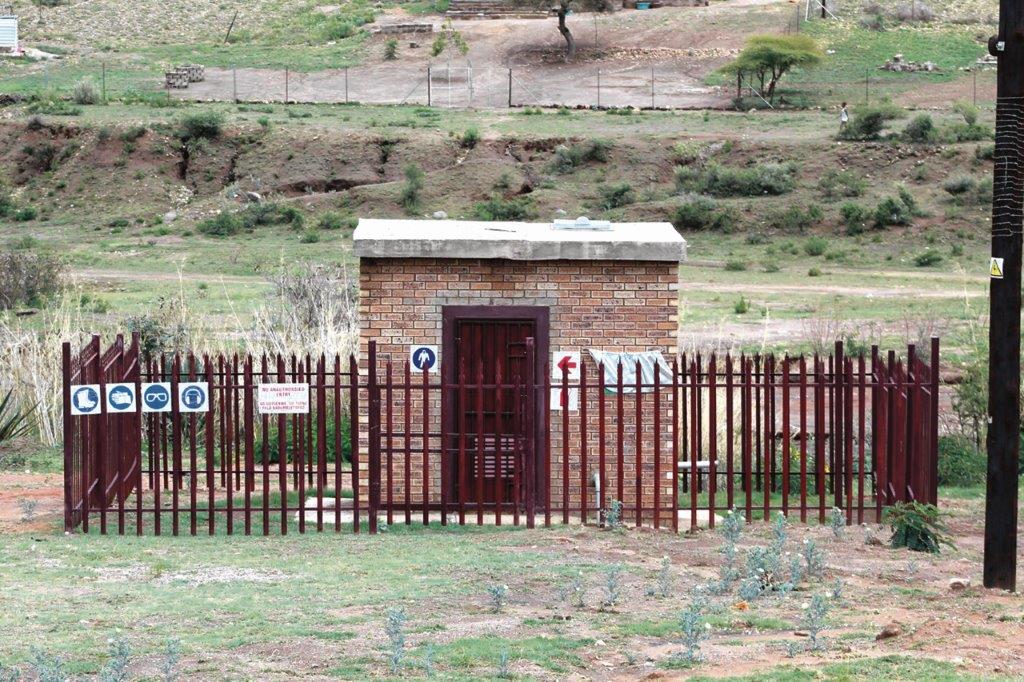
Nkosi indicated that government is working to develop and change lives of communities. “Water is now flowing to communities and more infrastructure will be built to ensure more access by communities.
To this effect, we urge communities to protect this important infrastructure that will continue to provide water. We urge everyone to use water sparingly.”