
Arbor week is around the corner
South Africa celebrates Arbor Week in the first week of September annually. September is also Heritage month, so it is appropriate to reflect on the magnificence of some of the trees present in different parts of the country.
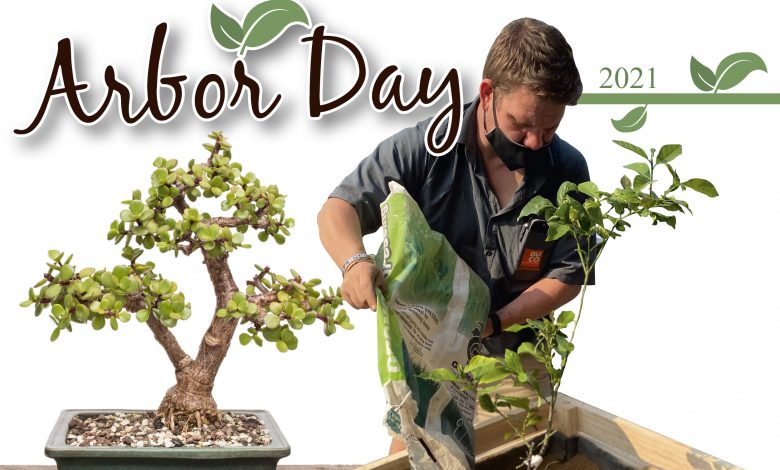
National Arbor Week is an opportune time to call on all South Africans to plant indigenous trees as a practical and symbolic gesture of sustainable environmental management. Sappi owns and manages 394,000 hectares of land, all of which is FSC® and PEFC-certified and we maintain approximately one third of this land to conserve the natural habitat and biodiversity found there.
We maintain seven proclaimed nature reserves and about 160 Important Conservation Areas (ICAs) on our land. So, as custodians of indigenous forest Sappi is proud to be able to support initiatives such as Arbor Week and to showcase some of the special tree species that occur within our landscape.

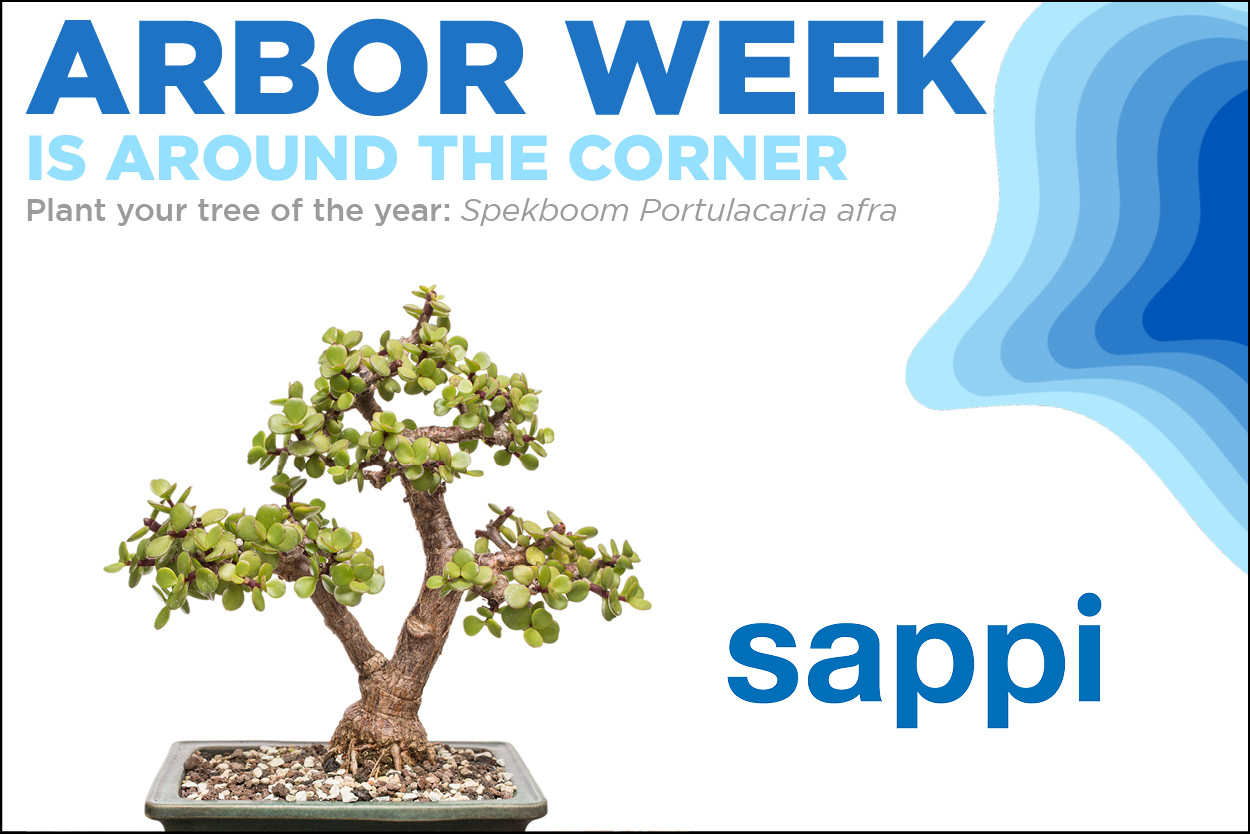
Each year, three trees are selected for special attention during Arbor Week. For 2021, the trees selected are Vachellia karroo, the sweet thorn (common), Portulacaria afra, the spekboom (promotion) and Warburgia salutaris, the pepperbark tree (appreciation).
No matter which tree you decide to plant this year for Arbor Week, you will be doing the right thing for the planet. We’re planting the miracle spekboom this year and it’s the easiest thing ever.
HOW TO PLANT YOUR SPEKBOOM
- Water the plant properly the day before you plan to plant it in your garden.
- Choose a sunny spot in your garden that has well-draining soils (sandy soil).
- Dig a hole just a little bit bigger than its existing bag.
- Plant the spekboom plant from the pot in the new hole and fill it up with soil.
- Compact the soil directly around the plant.
- Water it well and proceed to only water it every few days.
Caution: Do not overwater your spekboom as it may rot. It is best to plant early in the morning, late in the afternoon or on a cloudy day
HOW TO PROPAGATE SPEKBOOM:
- Cut a Spekboom branch (5-10cm) from a well-established plant at a 45 degree angle.
- Remove leaves just above the cut
- Ideally you should let the cutting, lie outside in a shaded area (away from direct sunlight) for a few days so that a callus can form but it is also possible to plant the cutting directly into the pot.
- Fill a pot (with a drain hole) with well- drained soil (made up of a 30-50% ratio of river sand/composted bark).
- Make a hole in the soil, deep enough to support the cutting.
- Insert the cutting in the soil, compacting the soil directly around the cutting.
- Water it well and then proceed to water it every few days (do not overwater).
- Place the plant in a sunny spot.
- Wait 3- 6 months for the plant to become established before planting it in your garden