Ex-KNP game ranger tackling poaching the unconventional way
A former KNP-game ranger and ex-pupil of Lowveld High is playing an international role in saving elephants in Africa with an anti-poaching strategy formed in the eighties when he was working in Bushbuckridge. This work is featured in a Netflix documentary.
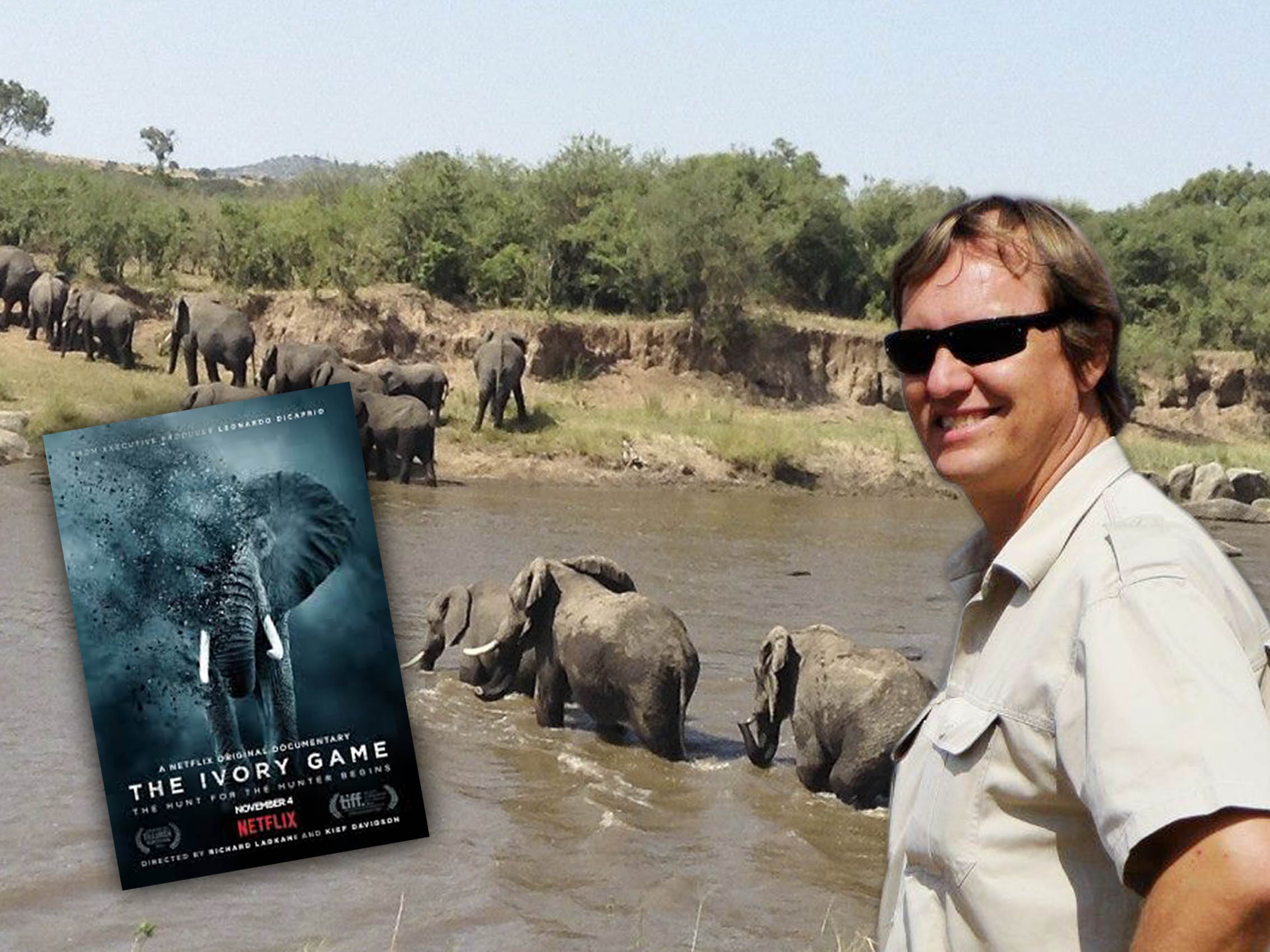
MBOMBELA – Turning the tide against elephant poaching sounds almost impossible, but it is exactly what former KNP game ranger Mr Wayne Lotter has achieved in Tanzania.
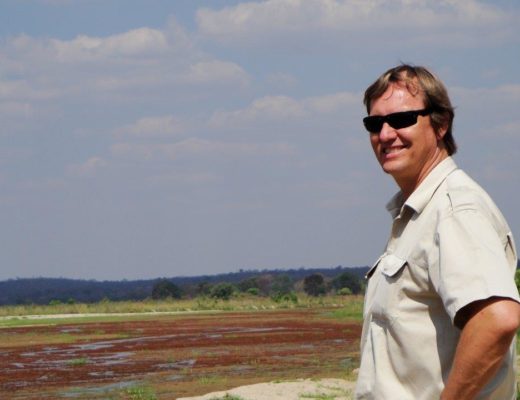
Lotter, a former pupil of Lowveld High School, is a director of the PAMS Foundation, a non-profit conservation organisation in Tanzania, and former vice president of the International Ranger Foundation.
The foundation is recognised internationally for a being a pioneer in wildlife protection and Lotter has published various papers on their work.
He was also asked to take part in Netflix’s recent elephant conservation documentary, The Ivory Game to feature their work. Shortlisted in the best-documentary Oscar category this year, the film has been hailed for its depiction of the dangerous underworld of ivory trading. Lotter declined and asked for the boots-on-the-ground rangers employed by the foundation to rather be included in the film.
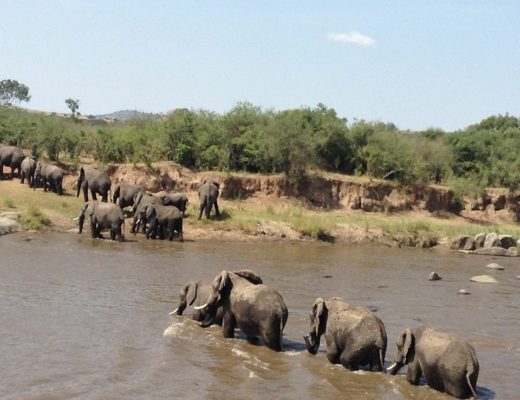
The most recent evidence shows an estimated 144 000 African elephants were illegally killed for their ivory in the past seven years. In the six years preceding November 2014, Tanzania lost by far the most. The population fell from 109 000 in 2009 to 43 000 in 2014.
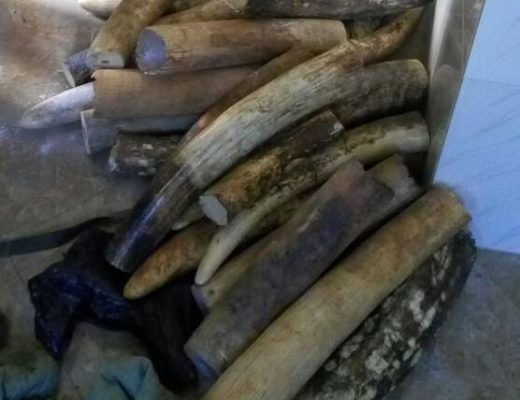
On average, one elephant was killed every 45 minutes in Tanzania alone. That was until 2011, when Lotter, his team, and several agencies developed their own brand of intelligence-led policing (ILP) designed to combat wildlife crime in Tanzania.
“I have always been drawn to the unconventional. I believe our traditional South African anti-poaching strategies to be fatally flawed,” said Lotter.
When he started out with the Ruvuma Elephant Project (REP) in Tanzania, there was more than one elephant carcass recorded per day. During 2016 there were only two recorded for the entire year.
So what does this efficient approach entail?
ILP originated because police needed to focus on using informants and surveillance techniques to combat repeat offenders. It was not an important element of policing until the 9/11 attacks in the US.
Lotter was a young ranger in the late eighties in South Africa when he first came up with the idea of ILP. He then worked for a development agency and was in charge of natural resource protection. He and his team put ILP tactics into use to combat poaching.
ILP was developed after he was trained by a police detective in how to investigate a crime, as well as how to best employ witnesses and how to prepare case dockets. At the time he was stationed at Bushbuckridge. He put a wide network of informants into place, which led to doubling the annual number of arrests.
“You need to catch them with the rifles before poaching. Then you must know so much about them when interrogating them that they spill the beans,” he explained.
He ascribed the recent success of the foundation to the principles laid down all those years ago.
Another anti-poaching paradigm shift came about when the foundation started working with the Tanzanian National and Transnational Serious Crimes Investigation Unit in 2014, as well as with the wildlife and forestry crime unit of the ministry of natural resources and tourism of Tanzania.

At that stage sentences for poachers were weak and fines were low.
“The syndicates are not like snakes, where you cut off a head and it dies, but more like an octopus. You cut off a head and find it had several legs at work.”
While applying the multi-agency approach and working with these two institutions, 1 306 poachers and illegal ivory traders have been arrested since 2014. More than 50 offenders have been given prison sentences of 16 years or more. These results were achieved on a budget of less than $3 million.
“It is far easier for syndicate leaders to get corruption institutionalised if single agencies are involved,” observed Lotter.
He is also the lead author of one the most comprehensive training guidelines for field rangers to date; Helping to Save Lives on the Poaching Battle Front Line.