River rangers cast a line for anti-poaching success
It is no easy feat to become an anti-poaching ranger in a vast hinterland that already offers a test of perseverance to skills and training. Add a river and dam full of crocodiles and aggressive hippos to this, and it begins to be a true challenge to even the bravest.
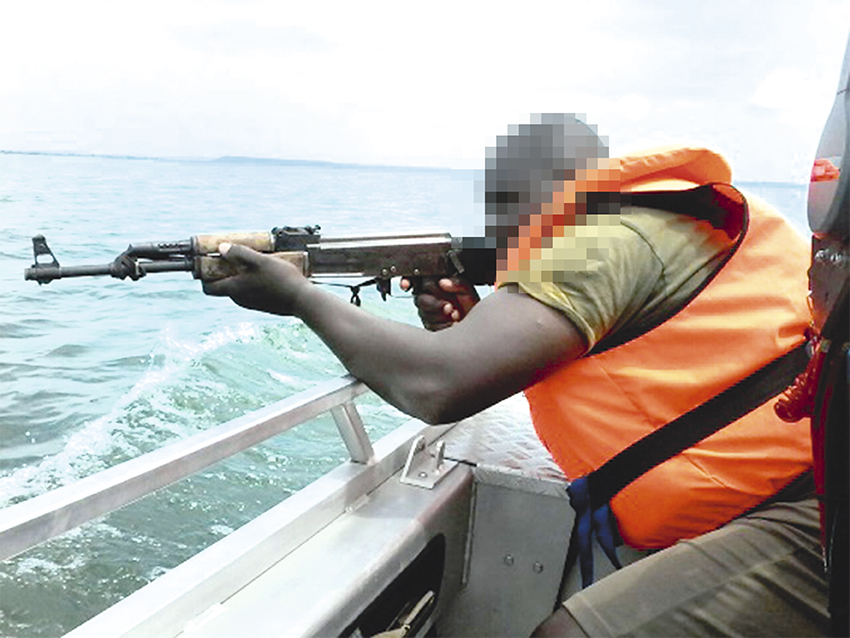
MASSINGIR – Poacher alert! PAMS Foundation is bringing its anti-poaching expertise to the Olifants River and the waters of the Massingir Dam.
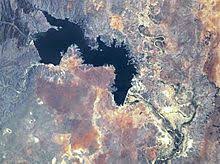
The eight river rangers trained in March and April by PAMS under the leadership of Mr Terrie Chakanyuka, made a difference during their boat and waterborne anti-poaching operations and confiscated a number of illegal nets and boats on the southern side of the Limpopo National Park (LNP).
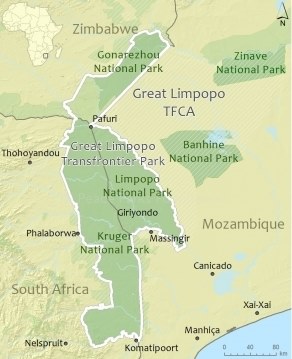
The park is managed by the National Administration of Conservation Areas of Mozambique and shares a partly open border on its western side with the Kruger National Park.
SEE why the head of Kruger National Park is in favour of border fences shifting
The LNP is home to populations of hippos, elephants, buffaloes, fish and crocodiles as well as other species.
“They have access to areas that rangers did not before and will be of strategic help to the teams on land, ” said Mr Wayne Lotter, director of the PAMS Foundation.

Lotter explained that even the most rugged of rangers was at first a bit cautious, but soon they were achieving a great deal as a team and their confidence grew.
“After a good stint of training the rangers had to lead boat patrols and operations on the river. They were selected from different ranger posts within the park,” he pointed out.
READ about ex-KNP ranger tackling anti-poaching the unconventional way.
The programme included the mastering of basic boat manoeuvres. They were also taught how to make an arrest on water, completed a course in first aid and are able to execute ambushes and raids on water.
The rangers had to work in teams and some had to undergo swimming lessons. They learned about flotation, water safety, waves and currents. They were taught how to maintain the boat, engine and life jackets.
“They are well equipped with essential skills and tools to track poachers on land and on water, and to monitor evidence on the water,” said Lotter.