35 Kruger rhinos killed so far in 2025
The regional ranger of Special operations in the Kruger National Park attributes the sudden spike in rhino poaching to several factors, including the persistent demand on the international market.
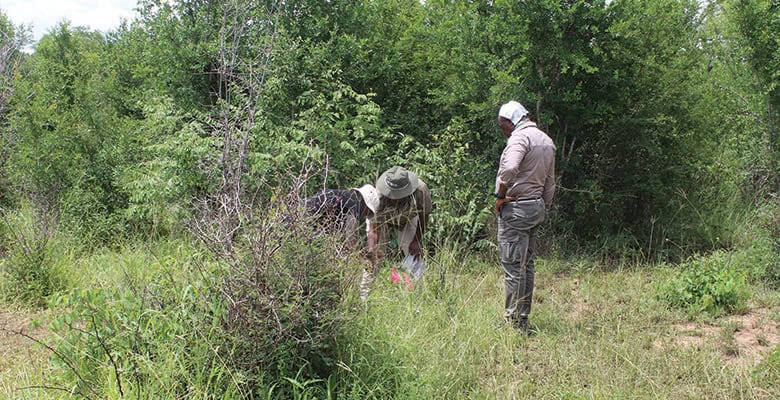
More than 35 rhinos have already been poached for their horns in the Kruger National Park since the beginning of this year.
A black rhino bull was killed near Paul Kruger Gate on Saturday morning, February 15, at about 08:00.
The criminals are ingenious, finding new ways of bypassing all existing safety interventions.
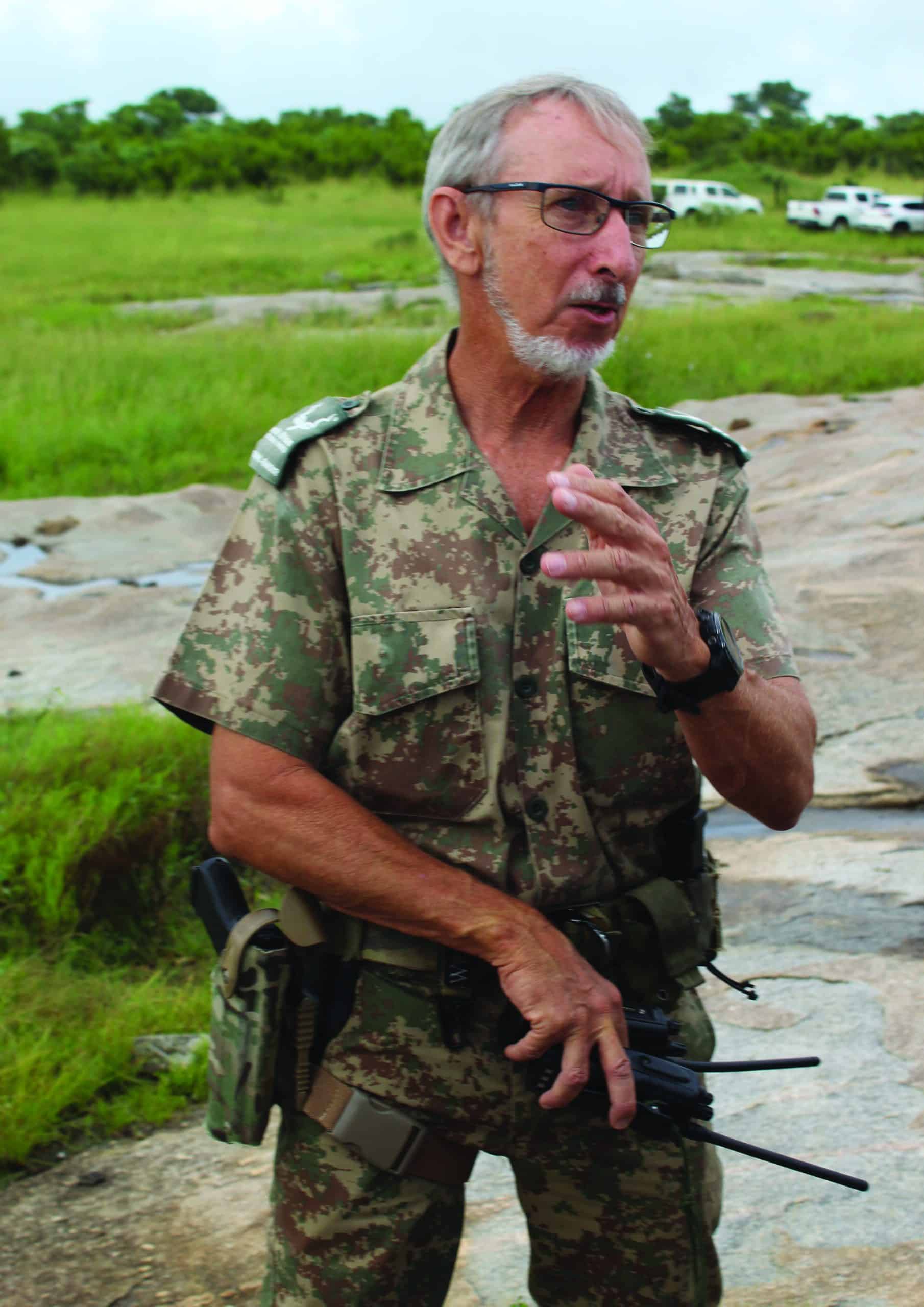
According to the regional ranger of Special Operations in the Kruger, Bruce Leslie, the sudden increase in rhino poaching can be attributed to various factors, but mostly to the continuous demand on the international market. “Transnational syndicates targeting these endangered animals are relentless in their pursuit of rhino horn. We also suspect that the unrest in Mozambique could have an influence,” he said.
@lowvelder According to the regional ranger of Special Operations in the Kruger, Bruce Leslie, the sudden increase in rhino poaching can be attributed to various factors, but mostly to the continuous demand on the international market. #knp #rhinopoaching #krugernationalpark
“Despite our efforts in dehorning our Kruger rhinos, they are still being poached. There’s clearly still a market for them. We are appealing to local and international communities and conservationists to come on board and assist the park in curbing the killing of rhinos. Bring information about those who want to poach these animals or have already killed them, so that we can deal with them to save the remaining ones.”
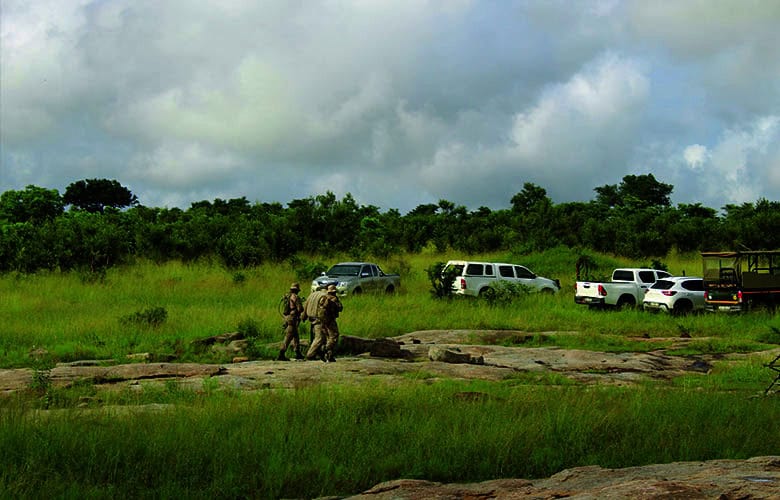
Leslie also said law enforcement is doing its utmost to ensure those who are caught are brought to book. According to him, the Kruger has built a good relationship with law enforcement agencies and they are working hand in hand to deal with the poaching.
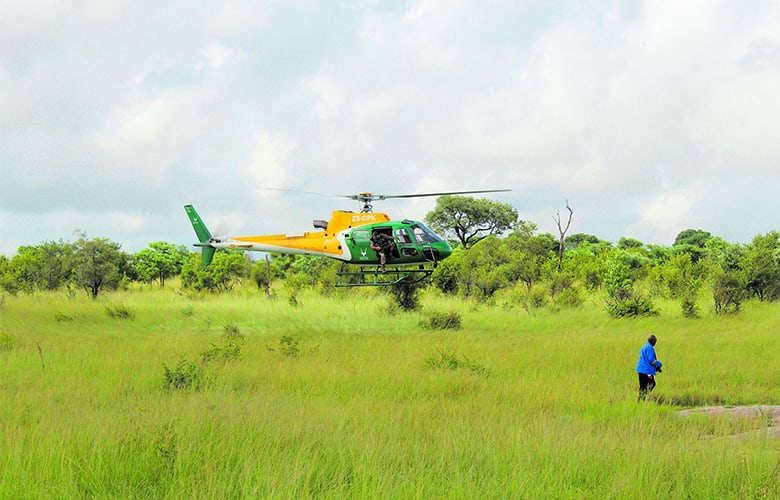
He said, however, they face challenges to get the additional resources and manpower to cover the park’s more than one million hectares.
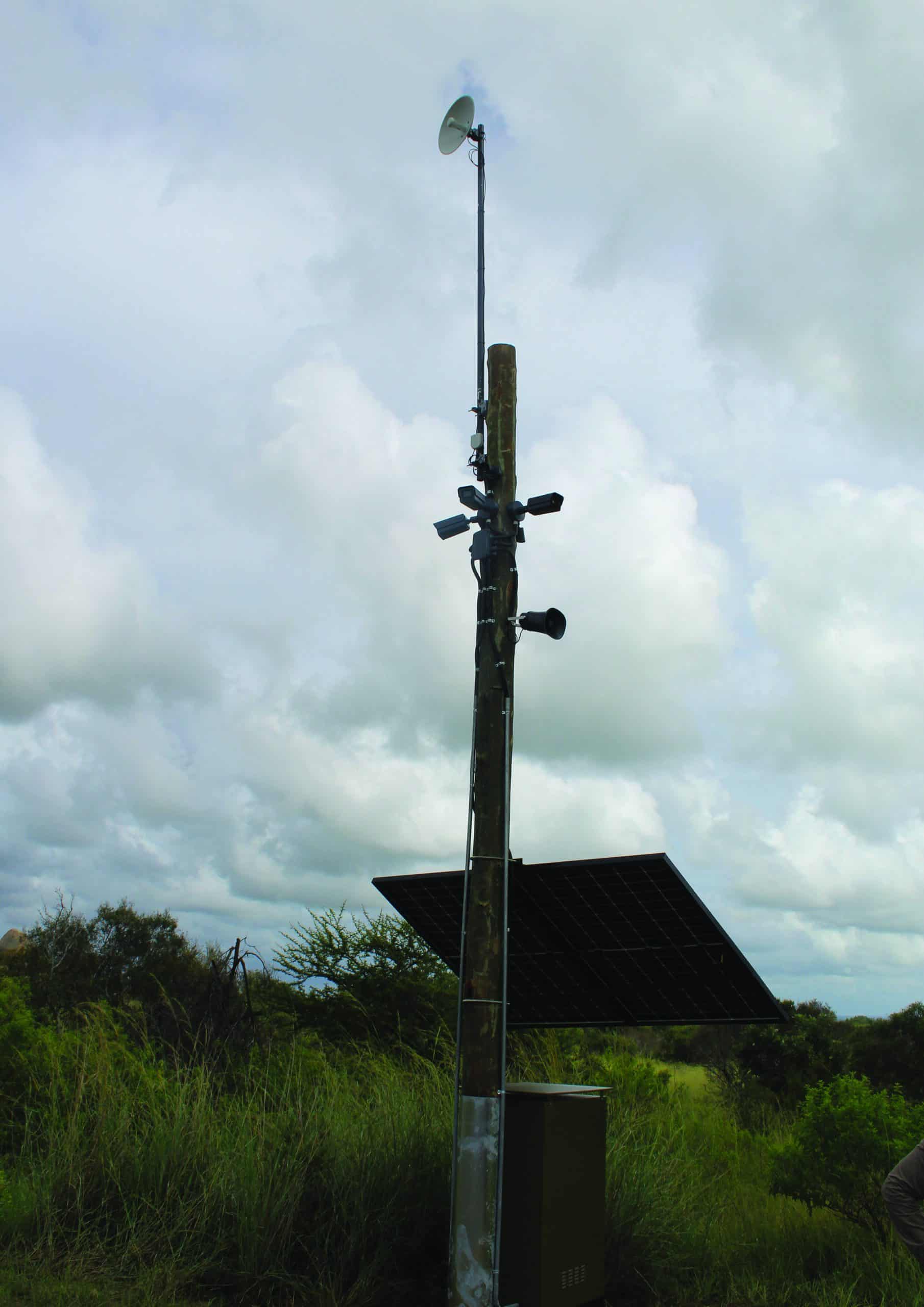
Criminals always use different tactics to get into the parks. “Despite being underresourced, many measures to curb rhino poaching or the poaching of any other wild animals have been put in place, and in most cases, they have had good successes. We have installed solar-powered cameras in hotspot areas and keep moving them once the problem in a particular area has been resolved. The introduction of hound dogs and aerial wing support is also making a huge difference. However, poachers are always willing to risk their lives by bypassing all security measures to kill the rhinos. That is why we need outside communities to also come on board and help us where they can,” he said.
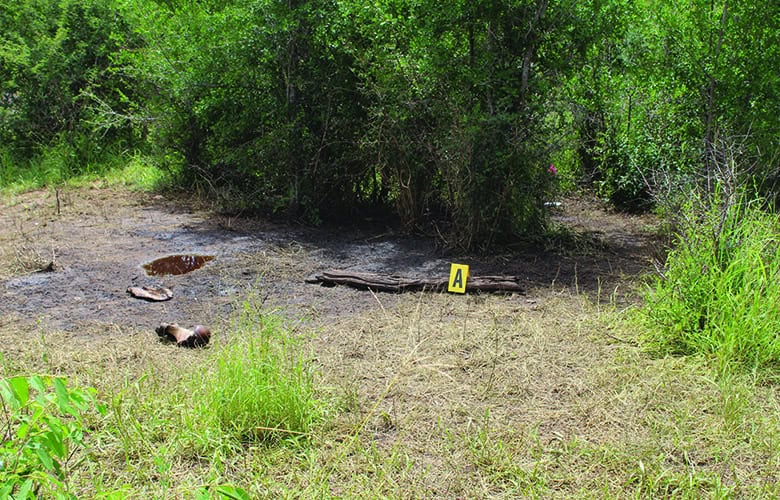
Leslie said that the Kruger would continue to fight rhino poaching and is calling on donors to assist the park with additional resources to fight poachers; either in the form of money or vehicles.