Angry residents up in arms over blowout at wood processing plant
Residents of Rocky Drift are up in arms over the worst air pollution incident ever at the Sonae Novobord plant in White River. It has been an ongoing battle for 17 years to get problems with wood dust solved in the adjacent residential areas.
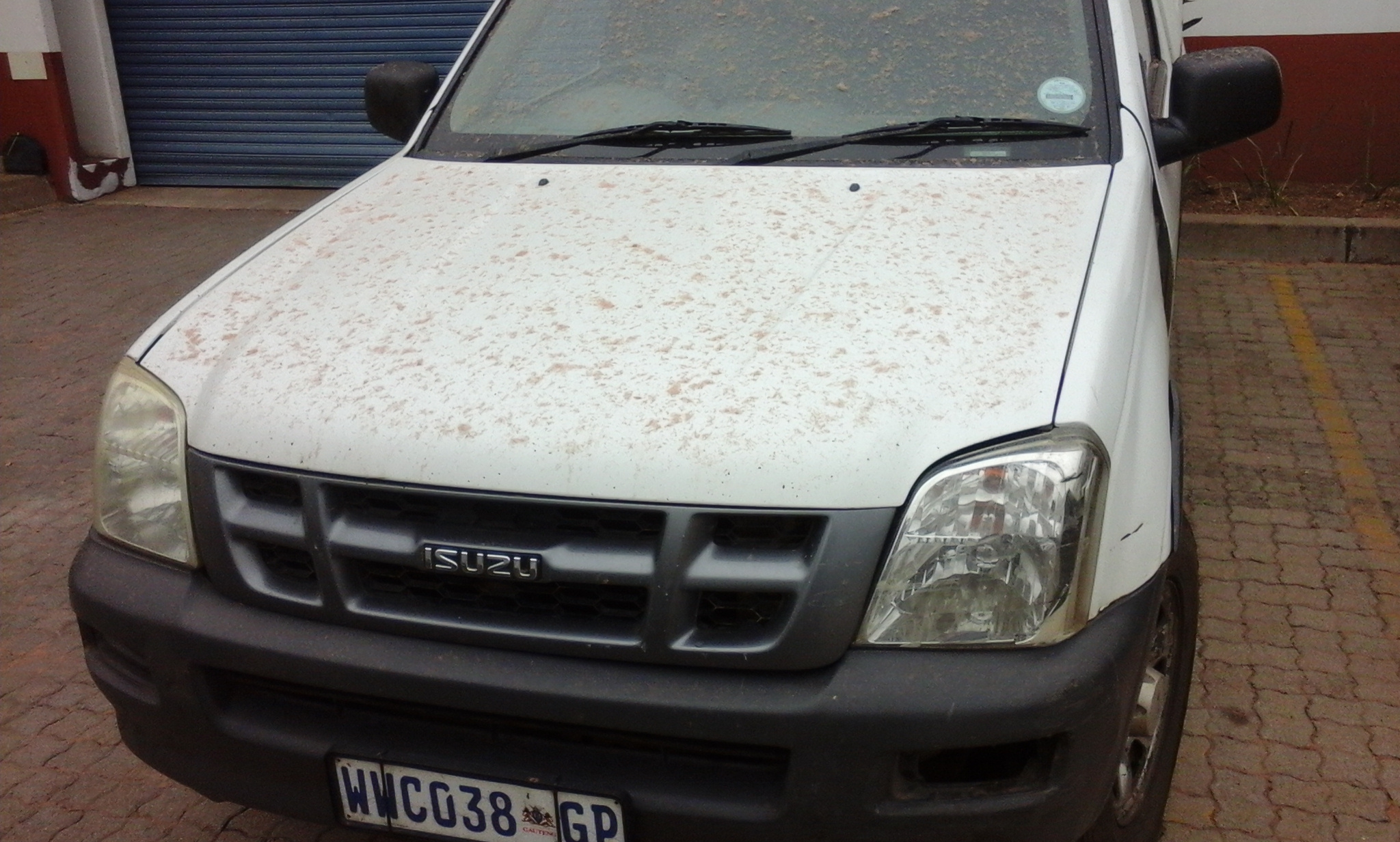
ROCKY DRIFT – A huge blowout incident at the Sonae Novobord plant on Monday left car bonnets and other surfaces like windows, within a radius two to eight kilometres, under a 10-millimetre layer of wood dust.
According to residents in the areas this has been the worst incident ever at the plant.
An incident report compiled by the environmental manager at the plant shows that the fall-out already started out at 22:15 on Sunday.

One of the main features of the plant, the cyclone, was designed with explosion hatches in order to release pressure in case of emergencies like explosions.
According to the report, the excessive emission was caused by a leaking explosion hatch. This caused the release of wood via the hatch for seven to eight hours.
There was no explosion but the hatch ruptured. The reason for the rupture is still under investigation.
No Sonae employee noticed a visual change in the emissions because the explosion hatch is not visible from ground level.
Employees noticed the additional emission release at dawn and immediately notified the manager on shift.
The plant was shut down at 06:12 and the event was reported to the provincial air regulator, Mr Mandla Mahlalela.
Mr Peter Schutte, spokesman for Sonae Novobord, said that one explosion hatch seal had come loose some time during the night.
“It was not noticed because it was dark and an abnormal situation. Explosion hatches are designed to limit the damage of an explosion and should last for years under normal operating conditions. The process was stopped in the early morning when the abnormal emission was noticed,” he said.
He remarked that the specific cyclone was replaced in 2012. It has a normal life span of 15 years. The explosion hatches were replaced in the beginning of 2016.
It was the first occurrence of a ruptured hatch, but residents says smaller similar emissions are a regular occurrence.
Mr Mike Bam of Coppercraft has been going to his premises in the immediate vicinity of the plant for 16 years.
Because of the serious light-yellow wood fallout on Monday morning, he took some sticky tape and put it on his car’s windscreen to see how deep the layer of wood dust was. “It was substantial,” he said.
According to him, one way of solving the problem is the correct measuring of the damage done to assets and the health of the surrounding community.
“Sonae Novobord is supposed to collect buckets of dust from me for monitoring samples. I haven’t seen them in months,” lamented Bam.
“This sort of dust has been in our eyes, in our noses for 16 years,” he added.
It perturbed him that nobody from the company spoke to the community. “They are not really talking to us about this incident. All sort of structures for public participation like three-monthly meetings exist, but we want the information as it happens.”
To Ms Sharon Eigenhuis, who represents the Bundu Wildlife Estate residents, emissions are an ongoing battle.
“This is an extremely serious incident. It was disturbing that, instead of shutting down the plant after the emission began, operations continued unabated through the night with numerous loud air blasts being heard and huge clouds of dust rising from the plant,” said Eigenhuis.
She has been attending meetings for years and said it seemed there were continuous breakdowns at the plant and machinery needed replacing.
“They report incidents every three months and report back on samples that have been collected. But the monitoring at the plant is done incorrectly,” said Eigenhuis.
“Why did they have to wait for daybreak? They should have had something in place that could have warned them, like an alarm.”
Mr Rob Schormann, another resident of the area, said, “This is now beyond immoral. It has been 17 years. The community has had enough. We will be taking legal action to protect our constitutional rights to an environment that is free from harm.”
It also bothered him that at an endless number of meetings Sonae promised things would improve.
“It is only empty words. Every three months we meet with them, they say there are no problems. Still, there are many people with respiratory diseases. We have been asking the company whether many people close to the plant have asthma. No answers!” said Schormann.
Dr. Walter Fourie, environmental consultant who facilitates the public participation process, said Sonae Novobord was doing nothing wrong.
“The company is a responsible company. They tick all the boxes. They are looking for a technical solution to this problem,” he concluded.