Silent tree giants threatened by climate change
At a recent meeting of scientists in the Kruger National Park interesting findings were presented like the fact that baobabs are not handling climate change well and that bees can protect Marula trees from elephant damage.
SKUKUZA – Climate change is putting the Kruger National Park’s (KNP) baobab tree population under severe pressure.
This was part of the research shared during the fifth annual Savanna Science Network meeting recently held at Skukuza.
The programme included more than 100 presentations and more than 200 delegates from around the world. It was an excellent opportunity for scientists to share their latest conservation research findings.
A paper compiled by R W Taylor, D THompson and E Witowski showed that baobabs don’t respond well to climate change.
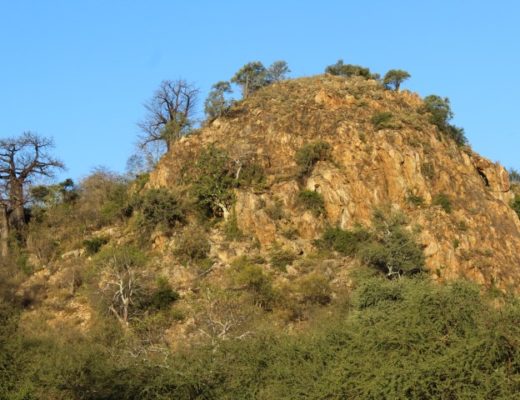
In the early 1990’s there was already a decline in the numbers of baobabs which showed that they are dying at an increased rate without too many seedlings being sown and surviving into adulthood.
Research in the northern parts of the Kruger National Park showed this vulnerability of the ancient giants can be attributed to increased elephant damage and too little rain since 2002.
READ more about the lost ancient city in the bush amongst the baobabs
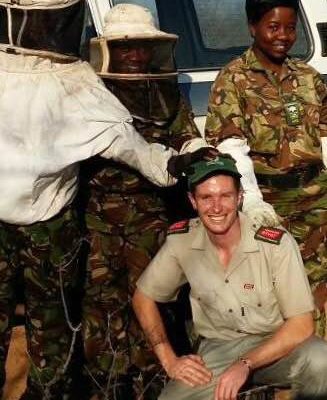
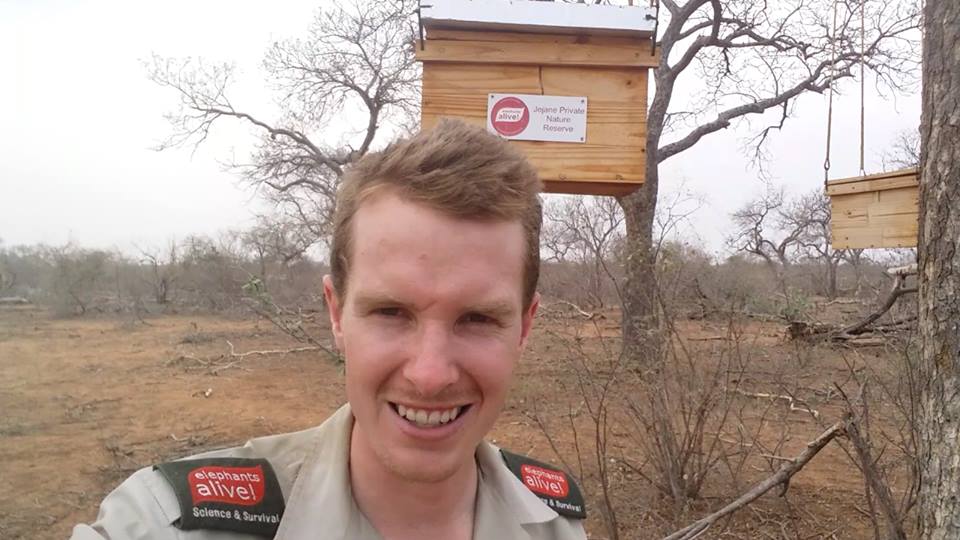
Robin Cook of the University of the Witwatersrand hung active and inactive beehives from marula trees in a private nature reserve. Some trees were also netted against elephants. A control group of 50 other trees were established.
Cook found that both the active and inactive beehives were efficient at preventing elephants impacting the trees. He made a recommendation that bees be used as a non-lethal method of protection against elephants.
WATCH a video on how bees protect trees