5 things you should know about Kruger’s Postcode Meerkat
The Wide Area Surveillance System in the Kruger National Park is proving to be exactly the gamechanger the anti-poaching team needed.
SKUKUZA – The Kruger National Park (KNP) is striking back at wildlife crime with a new project making the reserve safer.
The initiative is a new set of eyes in the sky that identifies poachers and their movements.
Mr Nicholis Funda, head of the KNP anti-poaching team, said the size of the park necessitates 2 000 rangers to keep it safe, but it can only employ 500.
“At present the criminals own the night. These systems will help us take it back,” he remarked during a demonstration of the Wide Area Surveillance System (WASS), also called Postcode Meerkat, to the media.
It is proving to be the light at the end of the tunnel the anti-poaching team was looking for.
This is what you should know about how the system works:
- The WASS was placed high up in the mountains and scans the Kruger National Park since 7 December 2016.
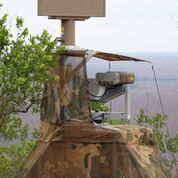
A major component of the recently unveiled Wide Area Surveillance System is the Reutech RSR 904 ground surveillance radar unit.
2. Solar-powered 24/7 technological eyes in the sky do the surveillance
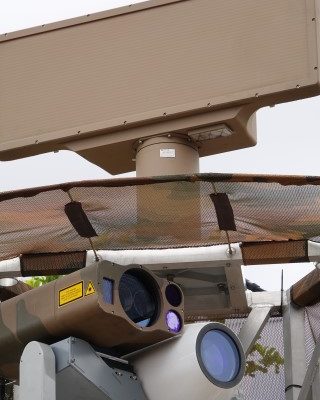
The WASS comprises a suite of radar and electro-optic sensors that detect, classify, monitor and track humans moving in the park over a wide area.
3. Visuals from the radar-system are send to an operations room with skilled personnel
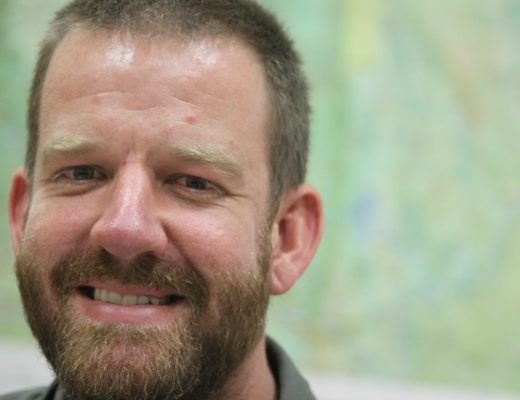
Since it became operational in February, not one rhino was lost in the area it surveys. Mr Mark McGill, technical manager of WASS, said that poachers cannot outsmart the system.
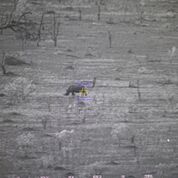
3. This is what the operators see in the operational room.
An operator in the Majoc control room identifies potentially suspicious behaviour and uses the cameras to zoom in for a closer look.
4. On the screens lots of information is available
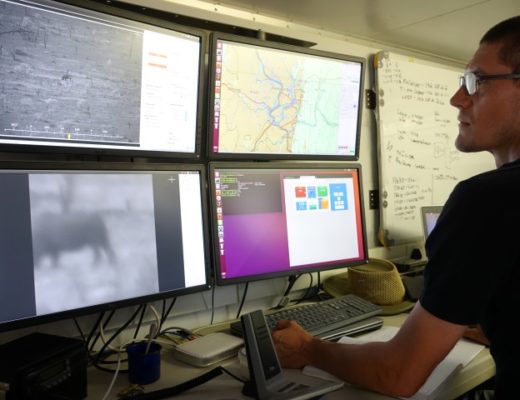
Smart thinking in its development allows WASS to differentiate between humans and animals.
5. With clear close-ups necessary detail can be seen to make decisions